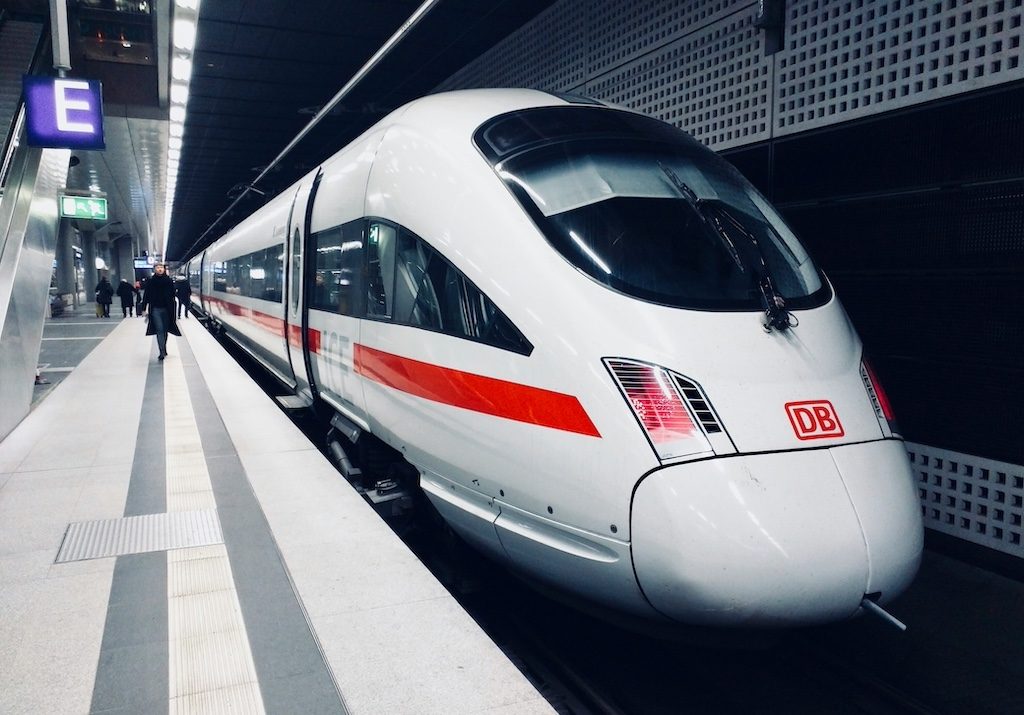
Germany is about to transform the drinking culture at its railway stations. Starting October 15, alcohol will be prohibited at all 5,400 Deutsche Bahn stations across the country, marking Europe's first nationwide rail operator ban of its kind.
The decision comes after a brutal incident last week in which an allegedly intoxicated passenger assaulted a Deutsche Bahn security employee during a ticket check, leaving them with serious injuries after falling from a moving train. That attack became the tipping point for action. Deutsche Bahn CEO Evelyn Palla made the announcement in a statement that felt urgent and direct: "We have observed too often that violence increases where too much alcohol is consumed."
Why now? The numbers tell the story
This isn't a snap decision. Thirty stations scattered across the country already enforce alcohol bans, including major hubs in Cologne, Munich, and Hamburg. Those early adopters have seen measurable results: lower crime rates and reduced waste. Berlin's central station and Gesundbrunnen station join the list on September 1, a month before the nationwide rollout begins.
The scale of the problem helps explain the urgency. Germany operates the largest railway network in Europe, with 33,400 kilometers of track and around 50,000 trains running daily. In 2024 alone, federal police recorded 27,160 violent offences in and around stations. According to Alexander Poitz, deputy chairman of the German Police Union, the country's biggest stations function as "hotspots of criminal activity," with most violent crimes involving alcohol or drugs.
What travelers actually need to know
Before you panic about your next Berlin-to-Munich trip, here's what the ban covers and what it doesn't. The restriction applies to platforms and station halls only. Licensed restaurants, bars, and other commercial venues within stations can still sell alcohol. That means your airport-style station café will keep serving beer.
If you're carrying sealed bottles or cans in your luggage or shopping bags, you're fine. The rule doesn't target travelers with packaged drinks. And once you board a train, the ban evaporates. Dining cars on long-distance journeys will continue selling alcoholic beverages as normal. Only open consumption at the station itself faces the hammer.
Violators will be asked to leave. Repeat offenders can earn permanent bans from all Deutsche Bahn stations, though enforcement remains a pressing question. The German Police Union has flagged concerns about whether the ban can be effectively policed without major investment in surveillance technology, additional staff, and improved lighting at large stations. Some critics have also suggested that problem drinkers might simply shift to other locations rather than stop the behavior entirely.
How Germany compares to the rest of Europe
Germany is breaking new ground here. The UK permits alcohol at most National Rail stations in England and Wales, though Transport for London banned open alcohol across its network back in 2008. Scotland's ScotRail restricts alcohol only during night and early morning hours. Belgium and the Netherlands take a patchwork approach with local or regional restrictions rather than sweeping national rules. Similar debates have unfolded elsewhere, like when the Bahamas recently banned alcohol on election day, sparking questions about where governments should draw the line.
Germany's move stands out because it's comprehensive, operator-wide, and aims to address a real public safety crisis. Whether it succeeds depends largely on implementation and enforcement in the coming months. For travelers planning rail journeys through Germany this fall, the practical impact is minimal. Just finish that beer before you reach the platform, or save it for the train journey ahead.