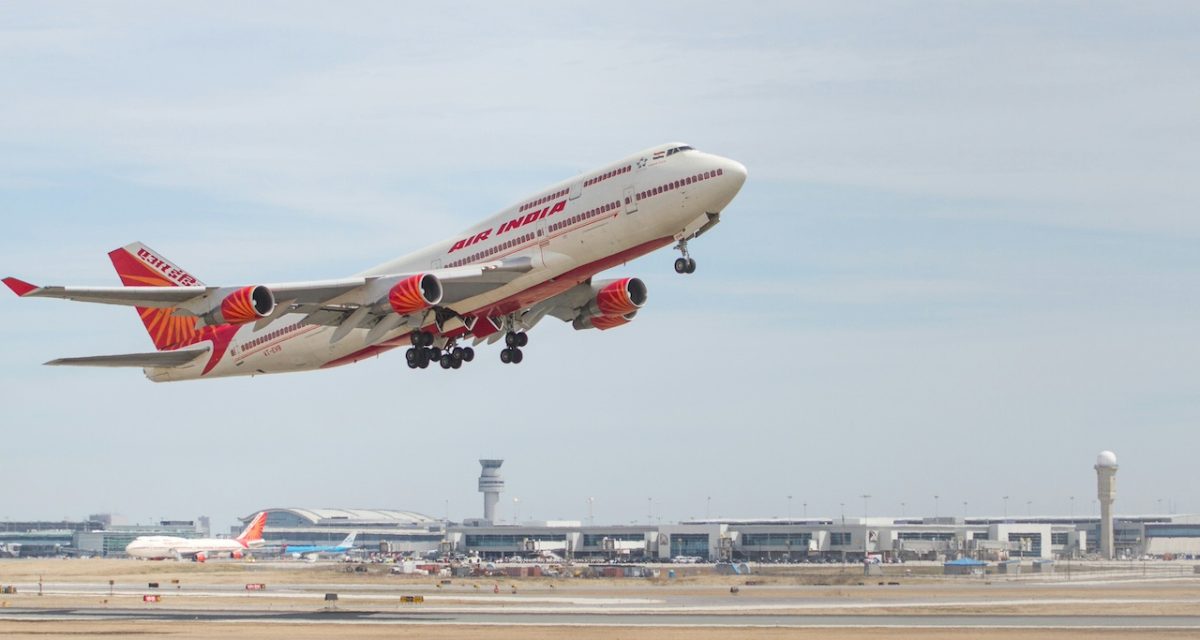
The travel gods are not smiling on anyone planning an Air India flight this summer. The Indian carrier just announced it's temporarily suspending seven international routes and cutting back frequencies on several others between June and August 2026, creating a perfect storm of disruption for travelers who've already locked in plans.
What's behind the chaos? Picture this: jet fuel prices at record highs, chunks of airspace suddenly off-limits, and one very expensive workaround courtesy of geopolitics. Last year, Pakistan banned Indian carriers from its airspace following military tensions, forcing Air India to take longer, costlier routes. Layer that on top of the ongoing Middle East crisis, which has sent fuel prices spiraling upward, and you've got a carrier in serious financial distress.
Which Routes Are Getting Axed
Seven routes are coming off the schedule entirely, at least temporarily. That includes Delhi-Newark, Delhi-Chicago, and Delhi-Shanghai, along with Mumbai-New York (JFK) and Mumbai-Dhaka. If you were counting on Delhi-Malé or Chennai-Singapore for a quick getaway, think again. Those flights are gone until "circumstances allow" their return, which is basically airline-speak for "we have no idea when."
But it gets worse. Air India is also reducing how often planes fly on popular routes to Paris, Milan, and Rome, plus cutting service to Toronto, Vancouver, Melbourne, and Sydney. East Asia is taking the biggest hit, followed by North America, Europe, and Australia. The airline is essentially reshaping its entire international footprint.
What This Means for Your Wallet and Calendar
Here's the brutal math: when millions of seats disappear from global schedules, fares go up. In May alone, more than two million seats were removed worldwide. Between June and September, airlines are cutting a staggering 9.3 million more. Major carriers like Lufthansa, British Airways, and KLM have all slashed capacity. Air India is just the latest domino to fall.
If you're flexible, you'll want to jump on alternative routes fast. Air India says it will assist stranded passengers with date changes, different flight options, or refunds, but expect lines and delays. The airline claims it will still operate more than 1,200 international flights monthly, so it's not abandoning the network entirely. Still, with reduced capacity, seats on remaining routes are going to evaporate quickly, and prices will reflect that scarcity.
The timing couldn't be worse. Summer is peak travel season, especially for those heading to Europe or North America. Air India has already been struggling with operational challenges, and this restructuring feels less like a strategic choice and more like a airline gasping for air. The carrier is 75% owned by Tata Sons with Singapore Airlines holding the remaining stake, but even that backing isn't enough to shield passengers from these cascading failures.
When Might Things Get Back to Normal
Air India framed these cuts as temporary, designed to improve network stability and reduce last-minute surprises. That's one way to spin it. Another way is to say the airline is in triage mode, shutting down unprofitable routes until fuel prices stabilize and geopolitical tensions ease. The reality is nobody knows when either of those things will happen.
The broader aviation crisis shows no signs of letting up. When smaller carriers start cutting routes too, you know the pressure is industry-wide. Air India's leadership team (CEO Campbell Wilson recently resigned, with new management still being sorted out) faces a genuinely difficult position. Keep flying unprofitable routes and lose money, or cut them and disappoint customers. They've chosen the latter, at least for now.
If you have a ticket on one of these routes, contact Air India immediately. Don't wait for the airline to find you. Get your rebooking sorted before the seat inventory evaporates. And if you're still in the planning stages for summer travel involving Air India, look hard at your alternatives. The next few months are going to be bumpy for this carrier.