Here's a frustrating truth about the airline business: when fuel gets cheaper, your ticket doesn't necessarily follow. That's the situation playing out right now across North America, and it says a lot about which side of the negotiation travelers sit on.
Jet fuel prices have dropped roughly 40% since April, when supply chain chaos and geopolitical tensions sent energy markets into overdrive. Back then, carriers were in survival mode, hiking ticket prices eight times in a matter of weeks just to absorb the cost of fuel. By May, domestic fares had climbed nearly $100 per ticket compared to the year before. The crisis felt real.
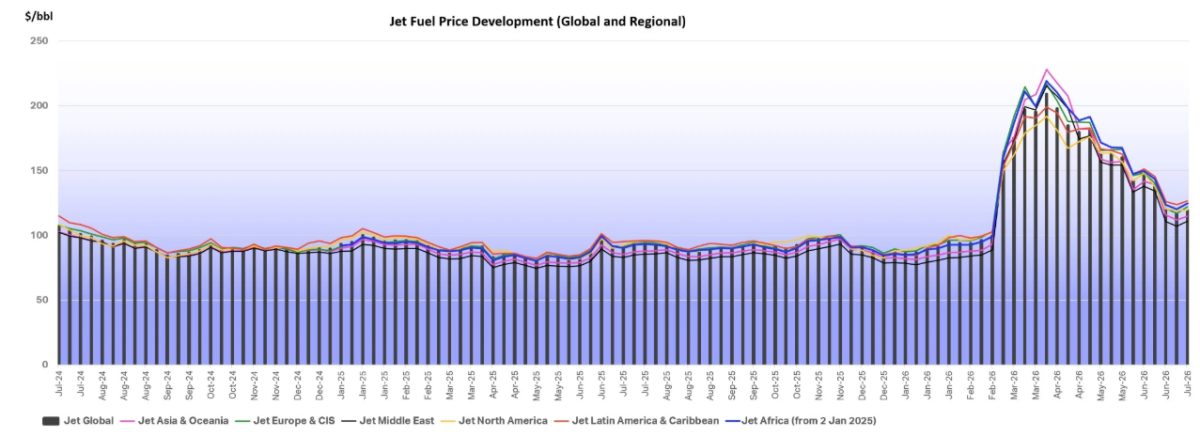
But here's where it gets interesting (and annoying). Even as fuel costs have slid back down to something resembling normal, airlines haven't budged on pricing. According to investment firm Raymond James, a domestic flight booked a week in advance now costs over 34% more than it did last June. The math doesn't add up unless you understand what airline executives are actually thinking.
The Industry's Comfortable Moment
Southwest Airlines CEO Bob Jordan was remarkably candid about this back in May. Speaking to investors, he said the industry would "retain a much higher percent of the fare increases than would be typical." Translation: airlines planned to pocket the savings rather than pass them along. Jordan pointed to the bankruptcy of budget carrier Spirit as a key factor. With fewer competitors fighting for your wallet, there's less pressure to discount.
American Airlines CEO Robert Isom was equally blunt. "For American, let's face it, we competed with Spirit across the board," he said, noting that the carrier saw "across-the-board improvement in all those places that we compete directly" once Spirit started cutting service. United Airlines CEO Scott Kirby chimed in too, highlighting the unusual lack of flexibility in pricing driven by relentless travel demand.
The calculus is straightforward: if people keep booking flights at current prices, why would airlines cut fares? As long as demand remains "pretty strong," the fuel savings go straight to the bottom line instead of your ticket.
How Long Can This Last
The real question is whether this demand will hold. An Ipsos survey from May found that 56% of respondents were "extremely or very concerned" about rising airline costs. That level of anxiety could eventually change buying behavior. Some analysts think the turning point comes after Labor Day in early September, when leisure travel typically softens and airlines adjust their fall schedules.
Conor Cunningham, an analyst at Melius Research, expects to see "fare sales and discounting" return only if demand truly weakens. Until then, prices will likely stay elevated. It's a waiting game.
The picture looks different across the Atlantic. Over 80% of survey respondents in Europe told Mastercard they're planning to travel over the next six months, despite ongoing geopolitical concerns. That kind of consistent, forward-looking confidence could keep European fares high too, though regional dynamics vary significantly. Gulf airlines are bouncing back, but the rest of the world isn't following at the same pace, creating pockets of opportunity for savvy travelers who know where to look.
For now, if you're planning a trip, understand that fuel prices and ticket prices operate on different timelines. You're not getting a break anytime soon, even though the airline behind the counter just did. The best move remains booking early, hunting for off-peak travel days, and staying flexible with your destination if possible.