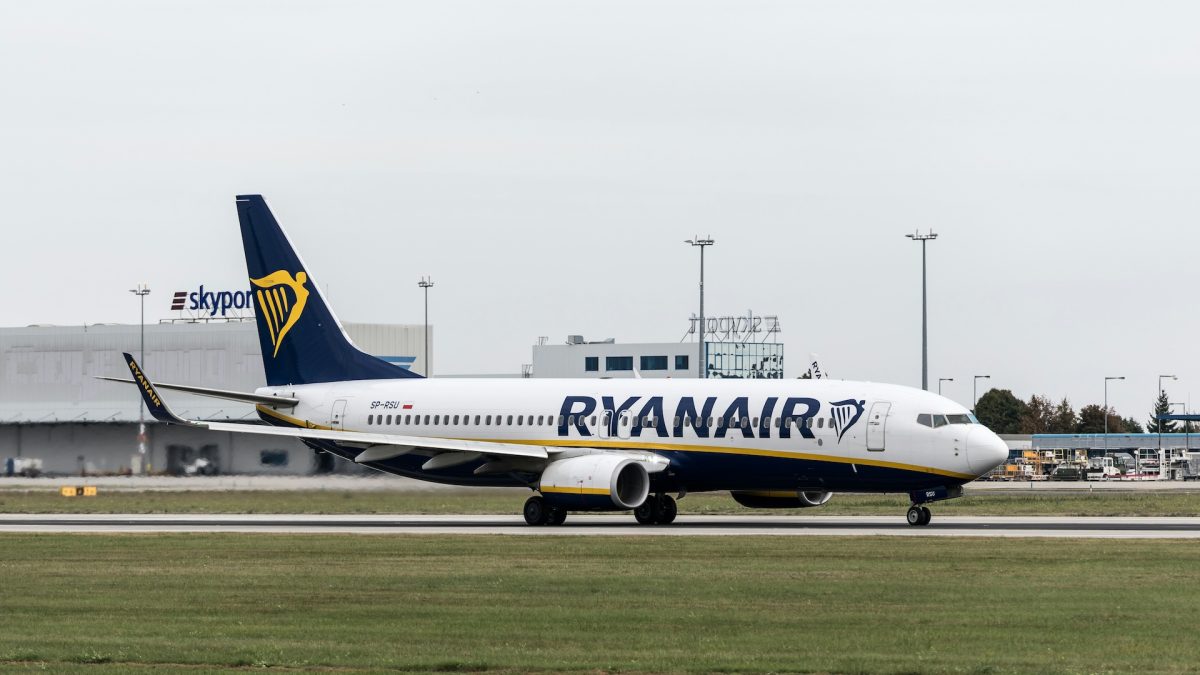
Michael O'Leary's Ryanair is at it again, this time dealing a significant blow to Greece's connectivity. The Irish carrier just announced it will shutter its Thessaloniki base, slash routes from Athens, and remove roughly 700,000 annual seats from the Greek market. The casualties include connections to Berlin, Venice, Milan, Gothenburg, Zagreb, and other major European hubs. For travelers hoping to escape Greece cheaply this winter, options are about to get thinner and prices steeper.
The trigger for this dramatic pullback comes down to money. Ryanair accuses Fraport Greece, the German operator running the country's airport network, of refusing to honor a November 2024 government decision to slash the Airport Development Fee by 75 percent, from 12 euros to 3 euros per passenger. Instead, the airline claims Fraport has jacked up charges to levels 66 percent higher than pre-pandemic rates, effectively swallowing the savings that were supposed to reach travelers. Ryanair also expects Athens to raise fees again this winter, making the numbers work even worse on their spreadsheets.
This isn't Ryanair's first rodeo with aggressive airport politics. Earlier this year the carrier already started cutting routes across the Balkans, Belgium, France, Germany, and Spain, each time blaming rising airport charges and government aviation taxes. What makes the Greece situation particularly tense is the scale of withdrawal and the carrier's willingness to bet that competitive alternatives will tempt its customers elsewhere.
Where the Seats Are Shifting
Ryanair isn't disappearing from Europe. Instead, it's redirecting aircraft to markets where airport operators have actually passed on government tax cuts. Tirana has emerged as a major new hub, becoming an attractive alternative for travelers in the Balkans region. Regional Italian airports have also benefited from this shift, especially after Italy scrapped portions of its aviation tax under pressure from Ryanair and competitors. Stockholm, Sweden, and other Nordic cities are seeing expanded winter service instead.
The message is crystal clear: airports that offer competitive pricing get the flights and the tourism revenue. Those that don't will watch their connectivity disappear and their visitor numbers drop. It's a lesson that's being learned painfully across Europe right now.
What Fraport Says (and Doesn't Admit)
Fraport Greece vehemently denies all charges. The company claims Ryanair's decision stems purely from commercial strategy and profit calculations, not airport fees. They also point out they've invested over 100 million euros upgrading Thessaloniki airport in recent years. But Ryanair's public accusations are detailed and specific, and the carrier has a track record of backing up its grievances with action rather than empty threats.
Meanwhile, Ryanair is dangling a carrot. The airline says it could return to the shuttered bases and resume these 12 routes after the 2026-27 winter season, but only if Greece freezes airport charges and actually implements that 75 percent fee reduction across all airports. The company is also holding back plans to launch 50 new routes over the next five years, arguing that expansion simply cannot happen under current cost structures.
What This Means for Travelers
For anyone planning winter trips to Greece, this cuts both ways. Fewer budget carrier options from major European cities means higher fares on remaining flights. But it also signals that Ryanair still considers Greece a valuable market long-term if the terms improve. The fact that O'Leary is explicitly threatening to withhold 50 future routes suggests he genuinely believes airport operators will blink first.
The real question is whether travelers will simply accept higher prices or start planning trips through Tirana and Italian gateways instead. Greece's tourism economy relies heavily on off-season connectivity when prices matter most. Removing budget carrier options in November through March directly harms the hospitality sector when it needs the business.
This Greek standoff is part of a broader reshaping of European aviation that puts real pressure on airport operators worldwide. When a single airline can pivot hundreds of thousands of seats to competitors with a few press releases, the balance of power shifts fast.