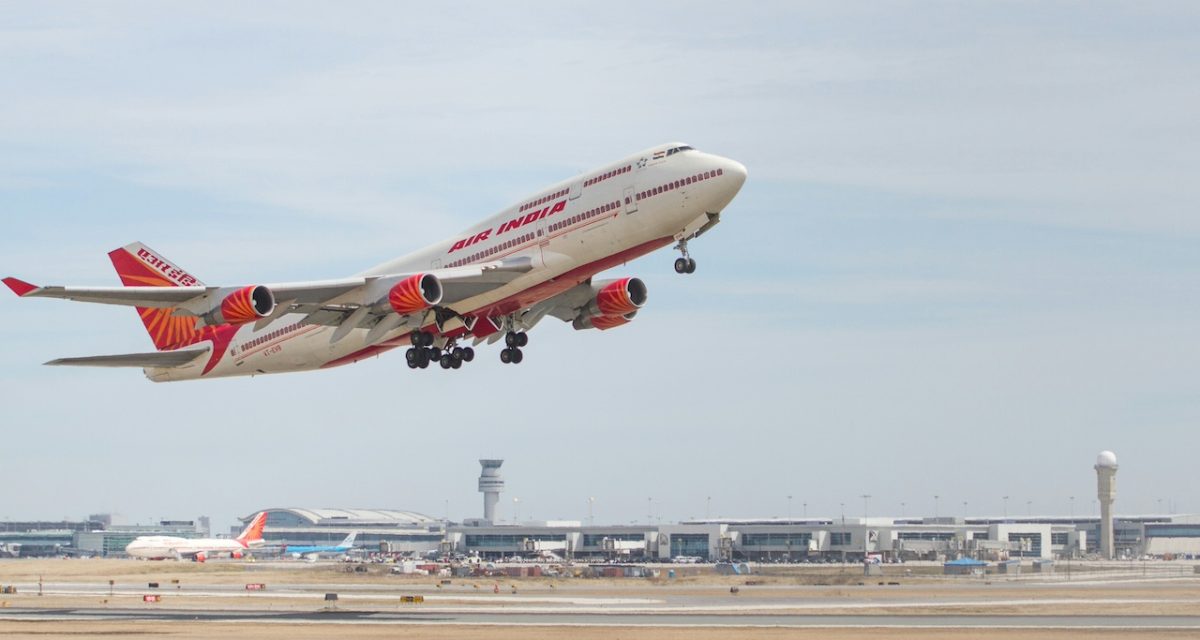
Campbell Wilson, who spent four years rebuilding Air India into a modern powerhouse, announced his resignation on April 7, 2026. The timing couldn't be worse. The airline is reeling from a devastating Boeing 787-8 crash in Ahmedabad that killed 260 people in June 2025, mounting safety violations, and financial losses that have spiraled into the hundreds of millions of dollars.
Wilson arrived from Singapore Airlines in 2022 with a mandate to transform India's struggling flag carrier. He had planned to stay until 2027, but circumstances have forced an earlier exit. Wilson's resignation was accepted at a board meeting, though he will remain in his position until the airline finds a successor.
What Went Wrong This Year
The Ahmedabad crash was catastrophic. On June 12, 2025, a London-bound aircraft carrying 142 passengers and crew never made it far from the tarmac. All but one passenger perished, along with 19 people on the ground. The disaster exposed serious safety lapses, and regulators have since issued a string of reprimands. Air India has been forced to address systemic failures across its operations.
Beyond the crash, the airline faces brutal economic headwinds. The conflict between the US, Israel, and Iran forced Air India to reroute flights away from critical Middle Eastern airspace, stretching flight times and burning through fuel at record prices. Over 25 airlines are gutting Middle East flights as geopolitical tensions reshape global routes. Combined losses for Air India and its budget arm Air India Express hit Rs 98.08 billion (about 954 million euros) in 2024-25, with projections suggesting losses could double to Rs 200 billion in the next fiscal year.
Leadership instability has made things worse. Air India Express lost its managing director in March 2026 after five years, leaving both airlines without clear guidance at a critical moment.
What Wilson Actually Accomplished
Despite the grim circumstances, Wilson's tenure wasn't a failure. He oversaw the merger of four airlines into Air India, modernized IT systems from the ground up, and rolled out new cabin products and service standards. The airline ordered nearly 600 new aircraft, and Wilson added 100 planes to the fleet during his tenure. That expansion represents a huge infrastructure investment that should pay dividends for years.
In his departure statement, Wilson framed his exit as strategic timing. "With these foundational blocks now settling and a brief window until deliveries from the nearly 600-strong aircraft orderbook commence in earnest from 2027, the time is right for me to hand over the reins," he wrote. Air India's chairman, N. Chandrasekaran, acknowledged Wilson's work navigating post-COVID supply chain chaos and multiple geopolitical crises. The praise suggests Wilson's departure was planned well in advance, perhaps before the full scale of the crash's aftermath became clear.
The Search for a Successor Begins
Air India has formed a committee to find Wilson's replacement in the coming months. The airline needs someone with deep experience managing safety overhauls, financial recovery, and fleet expansion simultaneously. The role carries immense pressure. India's civil aviation sector is booming, but airlines are constantly navigating closed airspace and geopolitical turbulence.
Wilson's resignation comes just days after IndiGo, Air India's main rival, appointed Willie Walsh as its new CEO. Walsh replaced Pieter Elbers, who stepped down following mass flight cancellations in December 2025. The carousel of leadership changes at India's top carriers signals deeper problems in the industry's ability to scale operations without breaking apart.
For travelers, these changes matter. Air India remains essential for reaching Europe from India, and its financial struggles could translate into higher prices, reduced frequencies, or service cuts. The crash and its aftermath have also heightened safety scrutiny, which should eventually improve operations across the board. But in the short term, passengers planning routes through Indian carriers should book early and monitor the airline's recovery plans closely.