There's a particular brand of travel hell that frequent flyers know well: watching your suitcase disappear into the airport black hole while ground staff shrug apologetically. For years, lost luggage has been an expensive problem that nobody seemed able to solve. But something extraordinary just happened. Luggage recovery jumped to 90% in 2025, and the culprit is something you can hold in your hand.
SITA, the baggage management system behind 500 airlines and 2,800 airports worldwide, has integrated Apple AirTags and Google Find Hub into its WorldTracer tracking network. The results are blunt: not only are bags being recovered at record rates, but the time it takes to retrieve them has dropped 26%. Mishandling incidents overall fell 23% in 2025, the best year on record outside the pandemic.
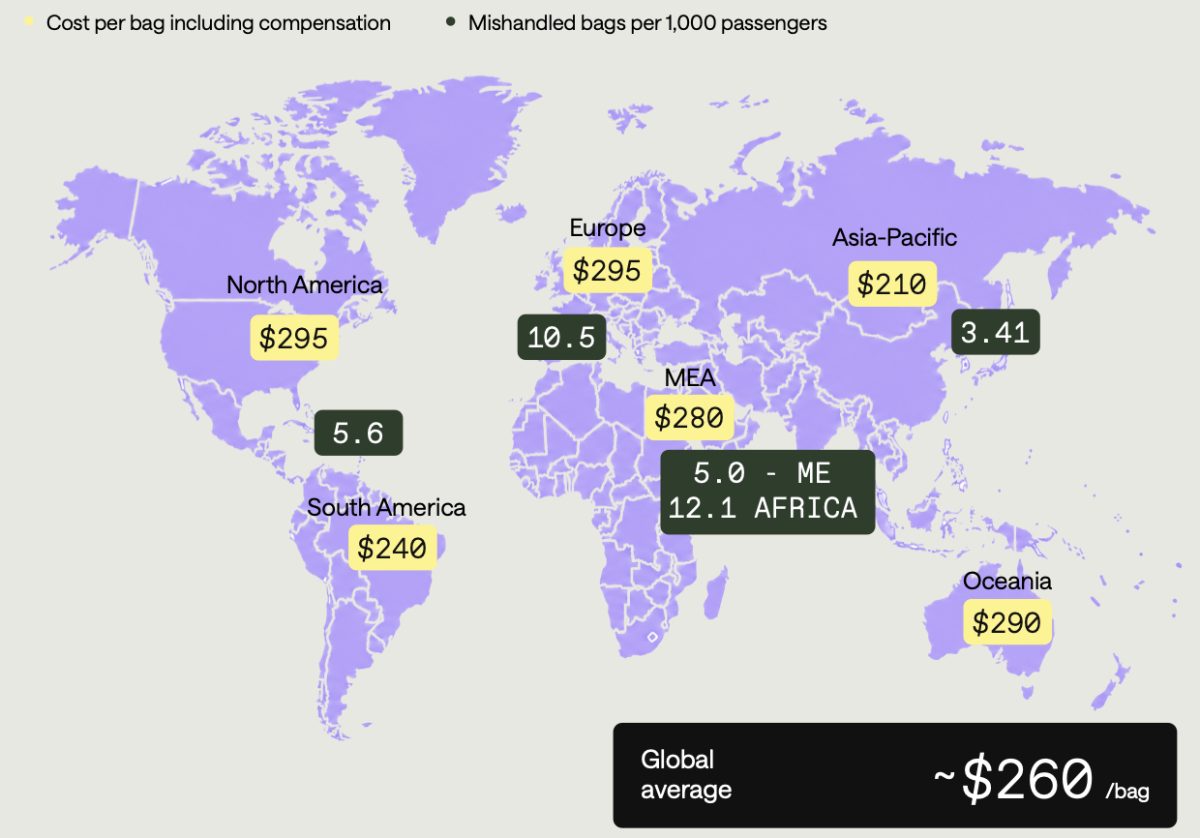
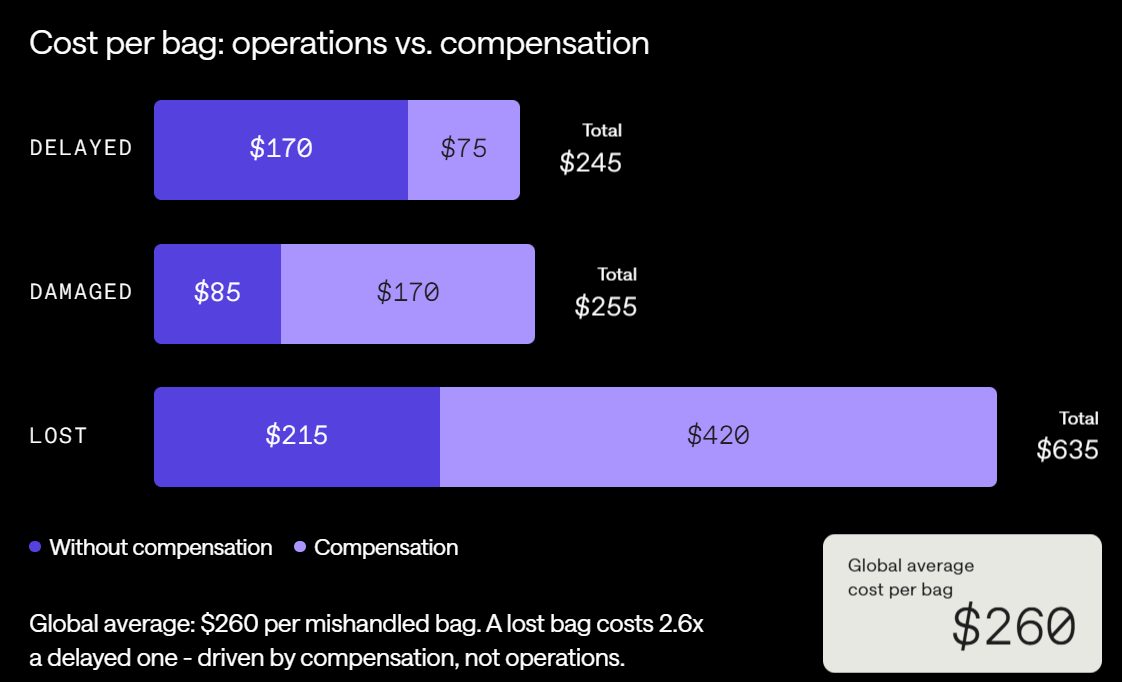
What makes this breakthrough so valuable isn't just convenience for travelers. Airlines currently hemorrhage $6.3 billion annually on lost baggage compensation, a figure that swallows 15% of the entire aviation industry's annual profit. For an industry where margins are razor-thin, this leak has been catastrophic. Reducing mishandled bags isn't just about happy passengers; it's about airline survival.
How Your Phone Became Better Than Airport Staff
The system is elegantly simple. When you add an AirTag to your luggage, you maintain complete control over your data. If your bag vanishes, you can choose to temporarily share its location with the airline through the WorldTracer platform. Here's where it gets powerful: the geolocation data doesn't just say "your bag is in Terminal 3." It pinpoints the exact loading unit, storage room, or pallet where your suitcase sits. Airport blueprints overlay the data, transforming vague "we'll look into it" into surgical precision.
Nicole Hogg, Portfolio Director for Baggage at SITA, explains the shift bluntly: "What we are seeing is a move from manual tracing to clearer, data-supported recovery." No more detective work. No more hoping. Airlines gain actionable intelligence the moment it matters most.
This is particularly transformative for European airports, which handle some of the world's most complex baggage scenarios. Europe suffers more mishandled bags than any other region, partly because of the sheer volume of international connections but also because of aging airport infrastructure that wasn't designed for 21st-century passenger volumes. When a bag transfers from a Brussels flight to a Vienna connection, smart tags cut through the chaos.
Why This Matters Beyond Your Vacation
The economic weight here is substantial. Lost baggage compensation funds are ultimately built into ticket prices. Better baggage handling means lower costs for airlines, which, theoretically, means more competitive fares for passengers. It's not a coincidence that major carriers are adopting this technology at lightning speed.
But the bigger picture is infrastructure. Airport expansion is controversial, expensive, and politically fraught. If SITA's CEO David Lavorel is right, artificial intelligence and predictive analytics could make existing airports work dramatically harder without needing massive physical expansion. Better baggage handling is just the opening move. The next chapter involves AI systems that predict where bags will go wrong before they do.
For travelers, the lesson is straightforward: buy a tracking device for your luggage. An AirTag costs $29 and might save you from one of travel's most frustrating experiences. For once, a simple piece of technology actually lives up to the hype.