Picture this: alarms blaring, cabin lights flickering, crew members shouting instructions. Your natural instinct screams to grab your carry-on. Your phone. That duty-free bag. But here's the brutal truth nobody wants to hear: that impulse could get you or someone next to you killed.
The International Air Transport Association just launched a blunt campaign called "Save a Life, Not a Bag," and the reasoning behind it is hard to ignore. When aircraft need to evacuate, they're designed to empty completely within 90 seconds. That's not a suggestion. That's a physics problem. Every person fumbling with luggage, every backpack wedged in an aisle, every phone being held up to film the chaos slows everyone down.
What Actually Happens When You Grab Your Stuff
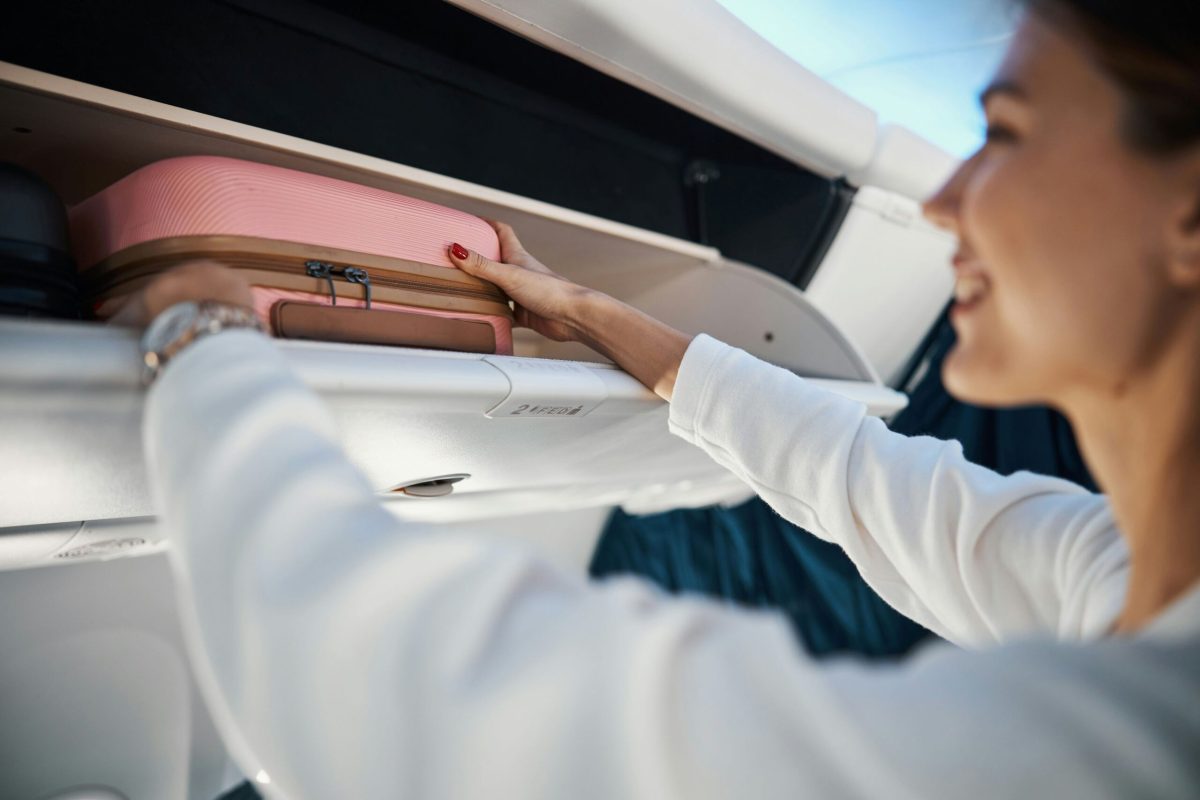
Think luggage is just sitting there, harmless? Think again. Carry-ons jam aisles and block exits. People lose balance trying to hold bags AND move quickly. Those evacuation slides? Baggage punctures them. Overhead bins spill onto passengers below. Luggage gets caught on seats, trapping people. Outside the aircraft, piles of bags become obstacles for rescue crews trying to help injured passengers.
The math gets worse when you look at research from Singapore, the United Arab Emirates, and the UK. Only 61% of passengers actually know the emergency evacuation rules. That means four in ten people boarding your next flight have no idea what they're supposed to do. According to Nick Careen, IATA's senior vice-president for operations and security, speaking at the association's annual meeting in Rio de Janeiro, the gap is staggering: "Four in 10 passengers don't even realize it's an expectation to leave their belongings behind."
The Viral Footage Problem
Here's where it gets weird. Recent emergency evacuations have been recorded and shared online, sparking debates across aviation and safety communities. People filming instead of evacuating. Passengers stopping to gather belongings. The irony? Those same videos that spark outrage only exist because people broke the rules to capture them. Without the chaos footage, there'd be no viral awareness at all.
But here's what keeps safety officials up at night: roughly 30% of people actually absorb information from safety demonstrations. And when one in five travelers hears about someone else grabbing belongings during an emergency, they say they'd do the same. That's not a rational decision. That's herd mentality in a crisis.
Why This Actually Matters to You
Full plane evacuations are rare, happening only about 30 times per year globally. But they happen, and when they do, seconds matter. Recent incidents involving suspected fires from battery-powered devices have shown that emergencies can strike on routes and aircraft you might not expect. Technical failures can force unexpected diversions and emergency procedures, and passenger behavior during those moments determines who walks away and who doesn't.
The crew doesn't bark orders because they enjoy being authoritarian. They do it because evacuating 300 people down inflatable slides in darkness, surrounded by potential hazards, is one of aviation's most dangerous moments. Careen was blunt about solutions too: if it were legally possible, he'd support fining people who flout evacuation rules. "It's most important to leave hand baggage behind," he said. "We need to drive the message home."
What Travelers Should Actually Do
The IATA campaign boils down to a few simple rules: listen to crew instructions without question, do not film or photograph during an evacuation, and move as quickly and calmly as possible. Period.
Before you even board, plan ahead. Keep your passport, wallet, medications, and anything truly irreplaceable in a personal item that stays with you at all times. Overhead bins and seat pockets are not secure during emergencies. Those vital documents and prescriptions should be accessible on your person. Everything else is replaceable. Your life, and the lives of the people around you, are not.
Flying remains statistically one of the safest forms of travel. But that safety depends on everyone following the same rulebook when things go wrong. The next time you settle into your seat for takeoff, remember: your suitcase can wait. You cannot.