If your flight this summer feels cursed, you're not imagining it. The United States is experiencing a perfect collision of factors that have turned its airport system into a frustrating gauntlet for travelers. Severe thunderstorms sweeping across the eastern seaboard are just the headline; the real story is far more complicated, and it affects when and how you can move across the country.
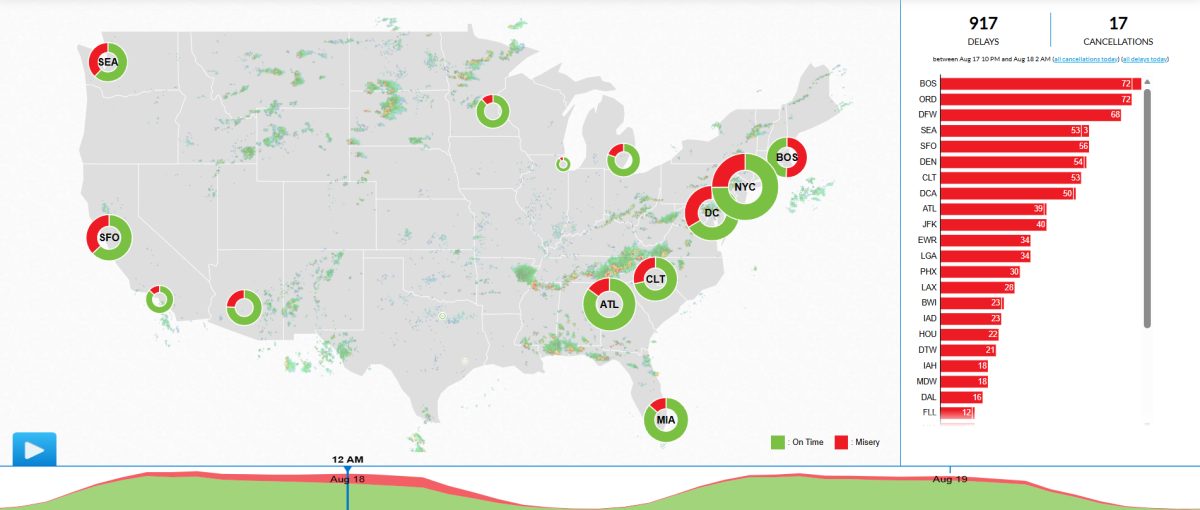
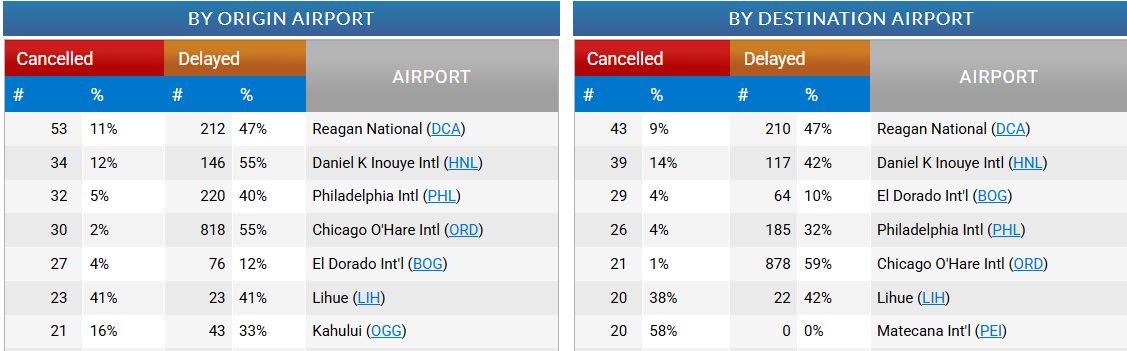
The numbers tell a grim story. On August 15, nearly 6,200 flights within the US faced delays, with another 419 simply vanishing from schedules. The following day exploded into chaos: over 9,600 delays and 455 cancellations. Even as conditions improved slightly by August 17, the scars remained visible with 7,400 disrupted flights. Boston, New York, Philadelphia, Washington D.C., and Orlando have borne the brunt, battered by storms, thick cloud cover, and visibility so poor that air traffic controllers are operating in increasingly dangerous conditions.
The Real Culprits Behind Your Delayed Flight
Bad weather alone doesn't explain the crisis. For months, the airline industry has been recalibrating after geopolitical shockwaves: the February conflict created a ripple effect that closed or restricted critical airspaces, forcing flights into inefficient detours. Jet fuel prices spiked in response. Airlines, caught between rising costs and shifting demand, made the logical business move: they cut flight schedules to operate smaller planes with fewer empty seats. During normal times, this math works. Pack planes more tightly, maximize profits, run leaner operations.
But summer travel doesn't obey lean operating principles. August is peak travel season. Flights are already full. When thunderstorms roll through and cancel a single flight, suddenly hundreds of people need rebooking onto planes that have zero available seats. The system doesn't have flex capacity anymore. "The accommodation problem is a very real problem, and you run out of options very quickly," according to Robert W. Mann Jr., an airline analyst and former airline executive who spoke to The Washington Post. Many travelers now face multi-day waits before they can reach their destination, if they can secure a seat at all.
The pressure has only intensified because air traffic control centers are operating short-staffed. When weather does strike, fewer controllers manage the chaos, creating bottlenecks that spread across entire regions. Last-minute cancellations are hitting harder and costing more, and the burden falls squarely on passengers scrambling for solutions.
How to Protect Your Plans Before Chaos Strikes
Stay ahead of the alert system. Airlines issue travel alerts when storms threaten, usually giving passengers a window to rebook before the flight actually gets cancelled. Act immediately when you see an alert. Some seats still exist at that moment. Wait until the official cancellation, and options shrink to almost nothing.
Build in buffer time. If you're connecting, a tight layover is now a liability. A 90-minute connection that seemed comfortable in normal times becomes a gamble. Add at least two hours between flights if possible, and resist the temptation to book tight connections just to save money.
Move fast after a cancellation. The moment your flight is cancelled, immediately contact your airline, travel agent, or both. The available rebooking slots evaporate within hours. Airlines can be slow, so persistence matters. Have your booking details ready and know what options exist before you call.
Embrace flexibility. When talking to a customer service representative, show willingness to consider alternative routes, different airlines, or even different airports. A willingness to fly through Chicago instead of Atlanta, or to leave a day later, can unlock solutions that don't exist otherwise.
Pack smart. Always keep essentials in your carry-on bag. Toiletries, medications, a change of clothes, phone chargers. If you're rebooked on a flight 24 hours later, your checked luggage might end up on a different plane or route. Your carry-on is your insurance policy against this chaos.
Before you book anything, review your airline's rebooking and refund policies. They vary wildly from carrier to carrier. Understand exactly what your travel insurance covers and what your airline actually owes you if things fall apart. This knowledge becomes invaluable when airports are in meltdown mode and representatives are handling thousands of upset passengers.
Summer travel remains possible and worthwhile, but it requires preparation and realistic expectations. The industry is adapting to a new reality of restricted airspace, volatile fuel costs, and tighter margins. Until conditions genuinely improve, travelers who anticipate disruptions and build flexibility into their plans will reach their destinations far more smoothly than those who hope for the best.