Remember when airlines decided seatback screens were dead? American Airlines thought so too. For the better part of a decade, the carrier ripped out built-in displays from its Boeing 737s and Airbus A320s, betting that travelers would happily stream movies on their phones and tablets. The logic made sense on paper: lighter aircraft, lower maintenance costs, fewer installation headaches.
Turns out passengers weren't thrilled about the arrangement. Drained batteries, awkward viewing angles, and shaky Wi-Fi became the soundtrack to countless domestic flights. Meanwhile, Delta, United, and JetBlue kept their seatback entertainment systems humming along, and travelers noticed. Now American Airlines is officially reversing course with one of the most ambitious cabin upgrades in the airline's history.
The comeback nobody expected
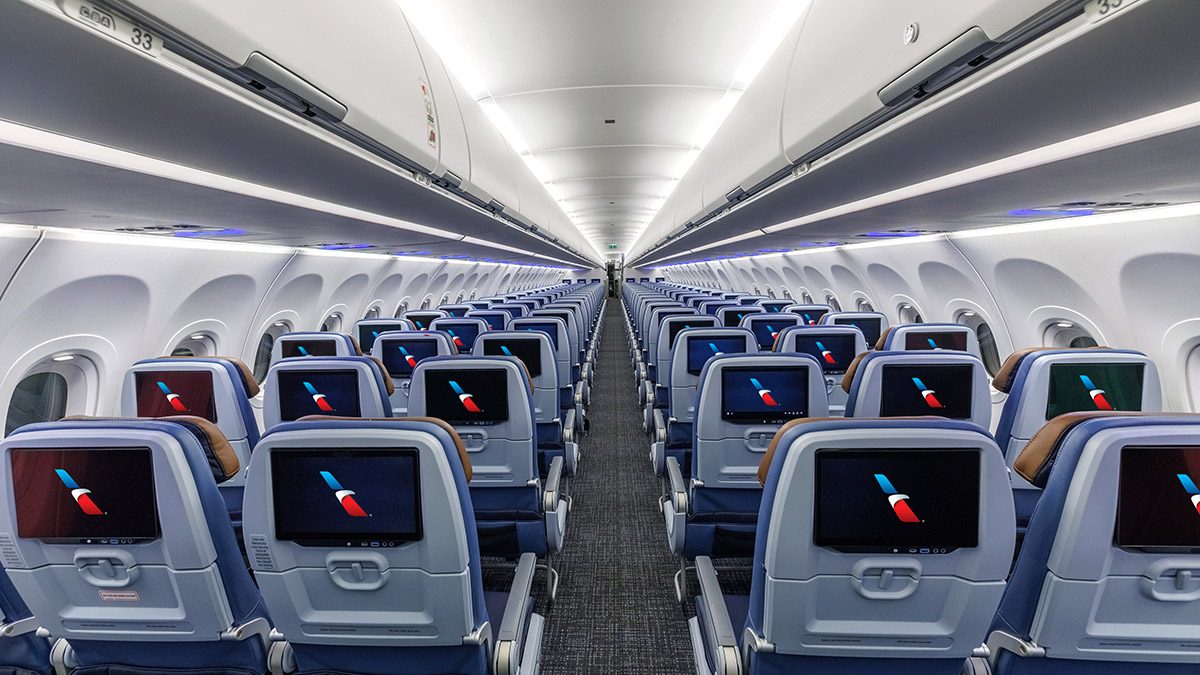
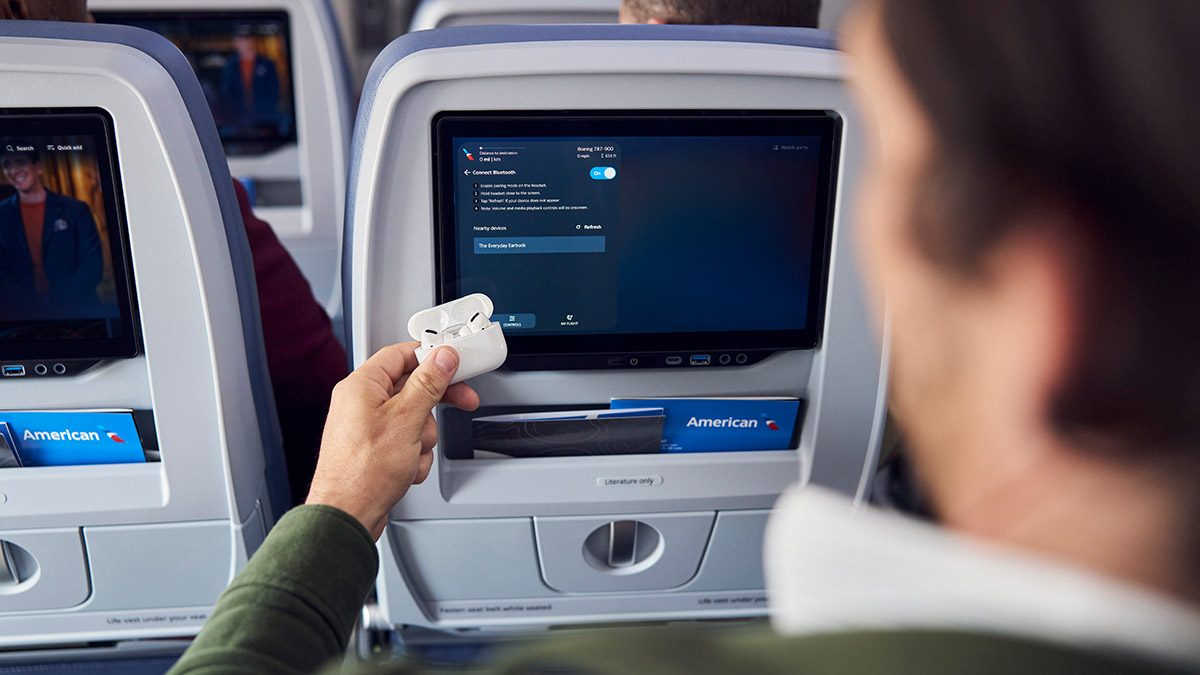
Starting in 2028, new Airbus and Boeing deliveries will roll off the production line with next-generation entertainment screens already installed at every seat. Older aircraft in American's narrowbody fleet will get retrofitted in phases, with the entire project expected to wrap up by the early 2030s. The new displays aren't your grandmother's seatback TV. We're talking 4K resolution, Bluetooth connectivity for wireless headphones, USB-C fast charging, and personalized film and TV recommendations powered by algorithms that actually know what you want to watch.
The screens will also feature interactive flight maps loaded with destination information and real-time flight data, making them useful even if you've already binged every available episode of your favorite show. American says these displays will rank among the largest on any narrowbody aircraft flying across North America. Technology has simply gotten better and lighter since the days of removing these screens seemed like the smart move.
"We're making one of the most significant investments in the onboard experience in our history," said Heather Garboden, American's Chief Customer Officer. The sentiment reflects a broader industry shift: passengers willing to pay extra for upgrades have become too valuable to ignore.
Premium seating takes priority
Entertainment is just the opening act. American is simultaneously expanding its premium seating footprint across the domestic fleet. Currently, first and business class seats account for roughly 25 percent of the narrowbody cabin. The airline plans to push that number up to around 40 percent in coming years, a reflection of the industry's obsession with higher-margin premium travel.
New Boeing 737 MAX 10 aircraft will feature 24 first-class seats, while refurbished A319s and A320s are already getting extra rows of premium seating. Main Cabin Extra, American's extra-legroom economy product, will expand across most of the narrowbody fleet too. Expect redesigned seats, more storage bins, and new lighting schemes that actually feel pleasant at 30,000 feet.
Connectivity and the full picture
Solid Wi-Fi ties the whole package together. Starting in 2027, American will begin installing Starlink high-speed internet on its narrowbody aircraft, transforming connectivity from a notorious pain point into a genuine selling point. Combined with the new entertainment systems, the carrier is betting it can compete head-to-head for passengers shopping upgrade options on domestic routes.
The overhaul extends beyond seat cushions and screens. American is expanding and refreshing its Flagship and Admirals Club lounges, introducing premium food offerings, and overhauling digital services from booking to baggage tracking. The airline clearly recognizes that every touchpoint shapes the travel experience.
For a carrier that spent the last decade asking travelers to bring their own entertainment, the seatback screen's resurrection feels like vindication for everyone who muttered complaints during countless flights. After years of chasing the future with personal devices, American Airlines has circled back to a simple truth: sometimes the old solutions work better when they're done right.