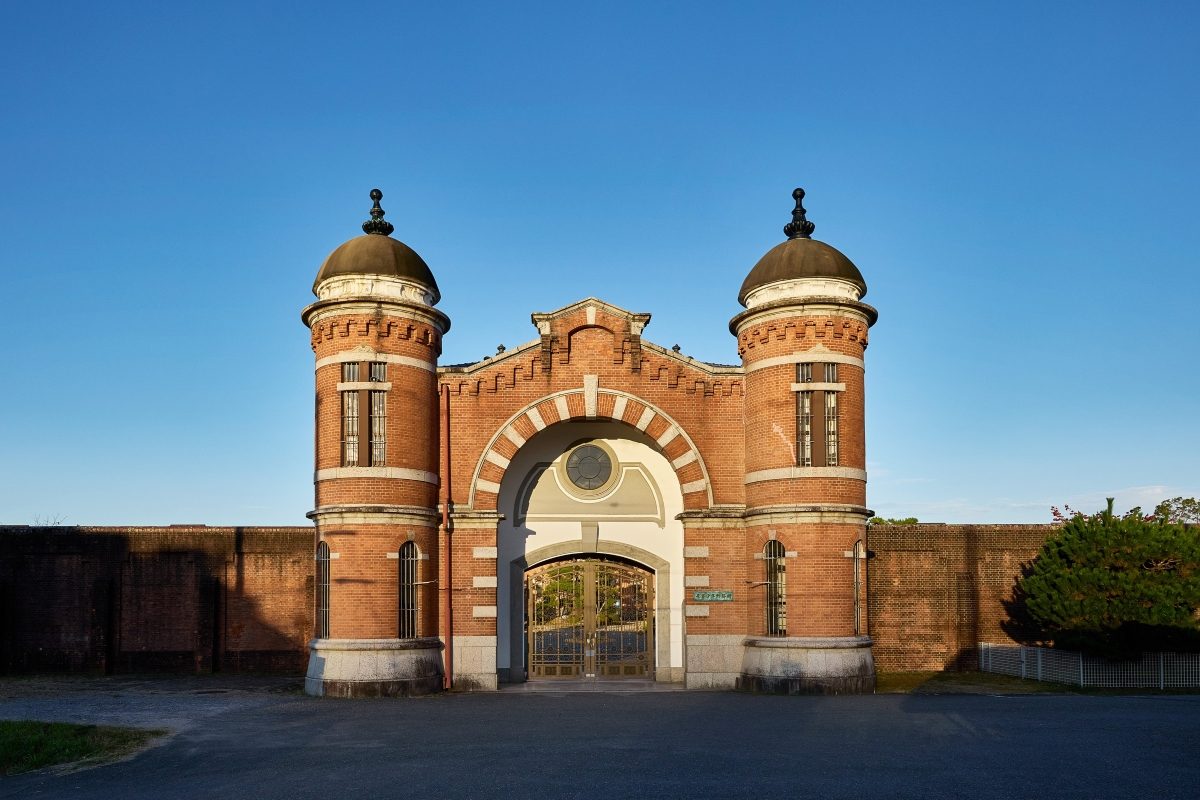
Imagine checking into a hotel where the front desk used to be a guard post, the hallway echoes like a cellblock, and the window bars are original. Welcome to HOSHINOYA Nara Prison Hotel, where one of Japan's most unusual hospitality experiments is now welcoming paying guests.
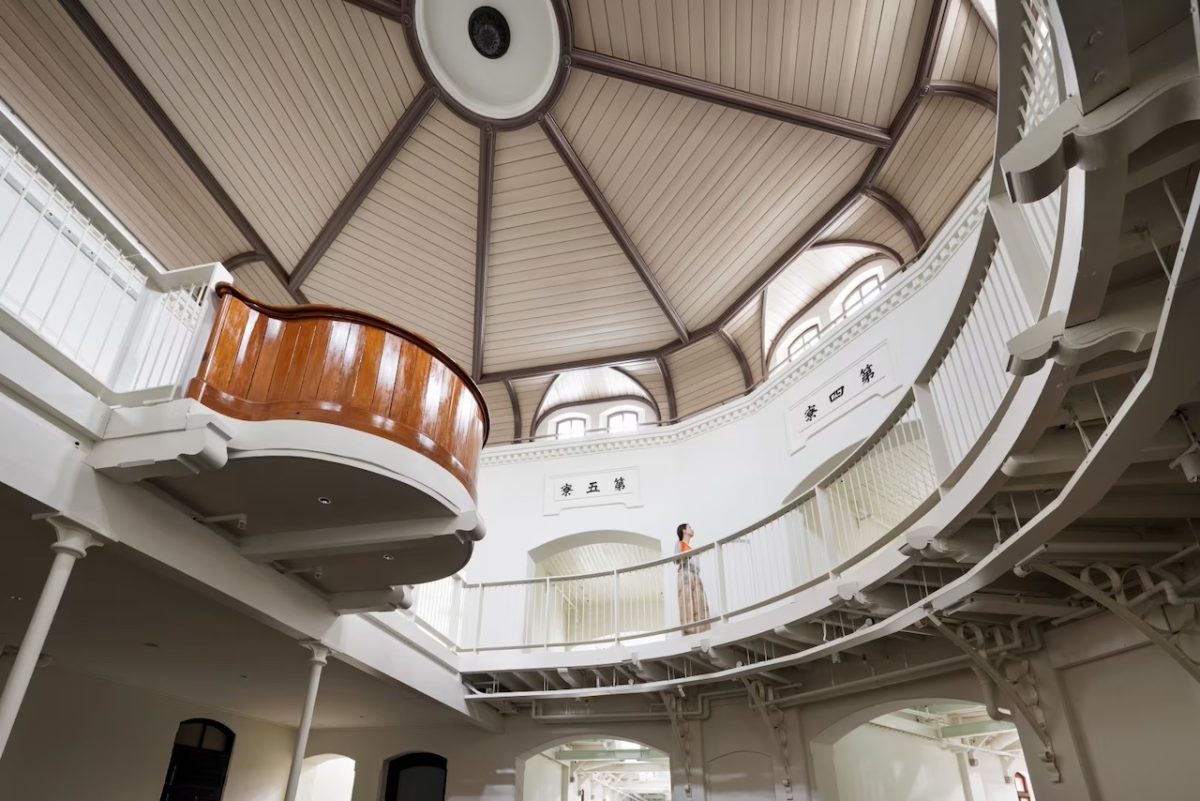
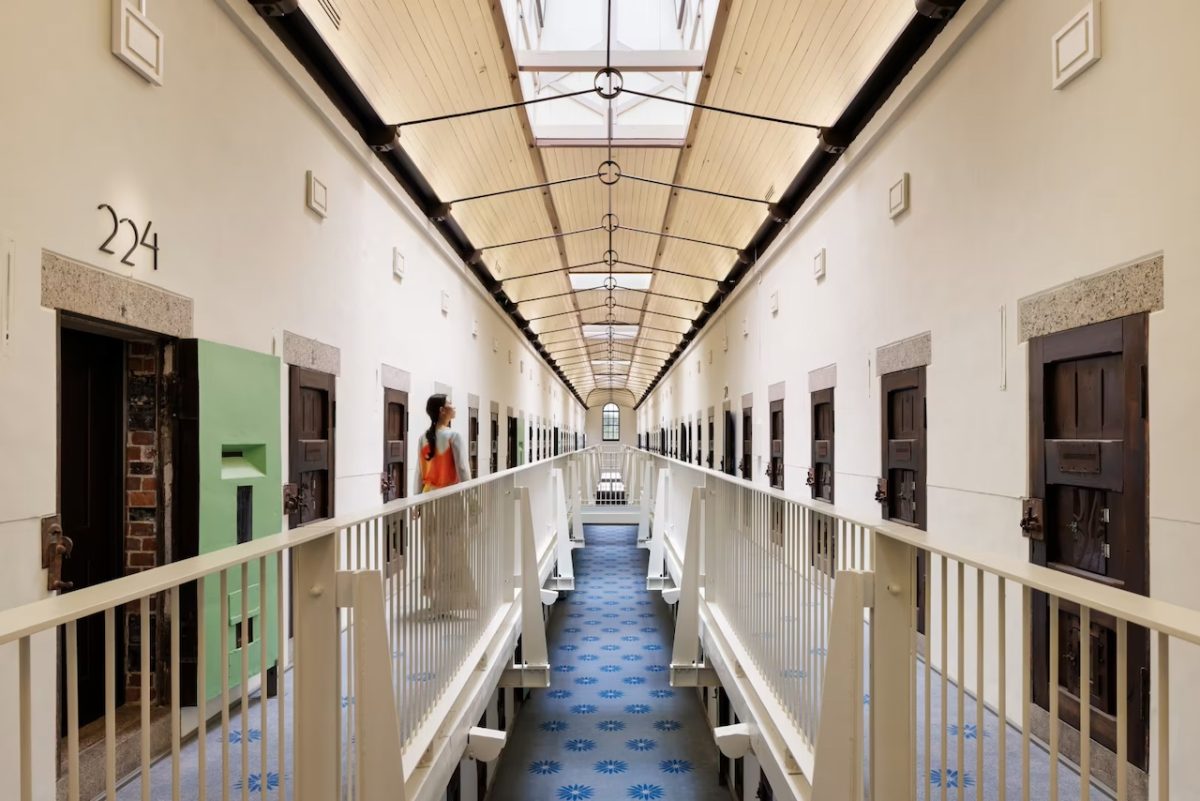
The conversion happened deliberately. When architects and designers took on this century-old facility, they made a conscious choice to preserve its grim character rather than scrub it away. Heavy entrance gates still loom. The five cellblocks still radiate outward like prison spokes. Those austere lines, barred windows, and concrete walls remain unmistakably institutional. Forgetting where you are is basically impossible.
From Cells to Suites, Sort Of
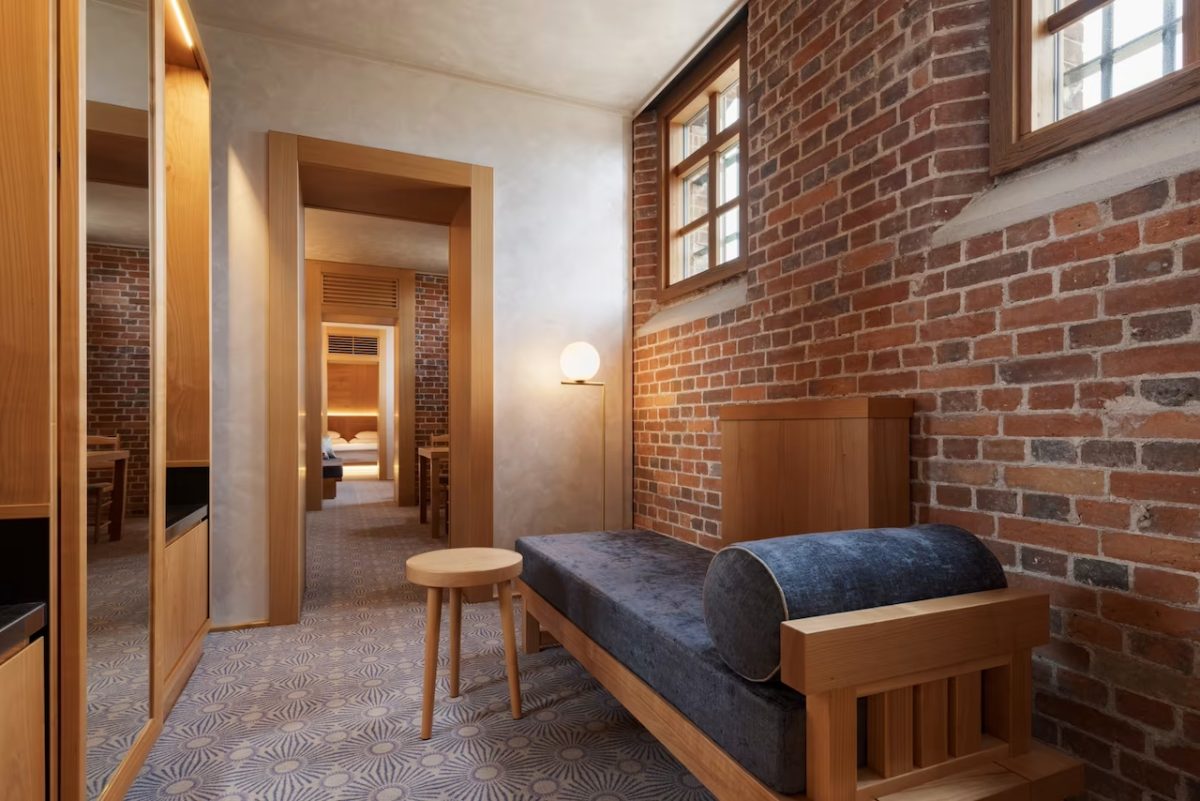
The rooms themselves combine nine to eleven former prison cells into a single luxury suite, which sounds spacious until you realize these long, narrow corridors were built to contain people against their will. The result is something guests describe as psychologically discomfiting. One visitor reported feeling a persistent "sense of tension" from the moment the heavy gate opened, finding the experience mentally active in ways most hotels never achieve. Another guest appreciated that the hotel "valued the experience of history itself" over simply throwing money at comfort. The century-old bricks, laid by inmates themselves decades ago, stay put. You can literally feel the weight of that history through your fingertips.
The design philosophy extended to what's conspicuously absent. No swimming pool. No fitness center. No kids' club. No televisions in the rooms. The hotel stripped away the usual luxury resort distractions, creating something closer to a meditation retreat trapped in an archive. One guest noted it's really "a place for adults to quietly experience the space and its history," which explains why it's not exactly family-vacation material.
History on Display and in Your Mattress
One of the five prison wings has been preserved completely and now functions as a public museum during daylight hours. Step inside and the contrasts hit hard. Hotel staff now make beds with precision; decades ago, inmates followed exact instructions on how to fold their futons. The museum displays what prison meals looked like, then you can walk downstairs to the hotel restaurant, where critics have raved about the menu. In the museum's final section, artwork created by inmates hangs on the walls, including pieces by manga artist Kazuichi Hanawa, who was imprisoned here in the 1990s and later chronicled his experience in his graphic novel "Doing Time."
That juxtaposition sits with you. A placard in the museum captures the whole idea: "It may be us, on the outside, who have lost sight of what is truly irreplaceable and important in everyday life." It's the kind of sentence that makes you pause.
What It Costs and Why People Pay
Luxury comes at a price, as it always does. A nine-cell suite runs $350 per night, with the 11-cell Deluxe edition climbing to $610 (breakfast not included). One guest called it "by far the most expensive hotel" she'd ever booked, but also "by far the most memorable." That's the trade-off here. You're not paying for thread count or room service. You're paying for a historically loaded experience that challenges how you think about comfort, memory, and what makes travel stick with you.
As Japan's tourism continues to evolve, projects like this show the country exploring experiences that go far beyond typical resort pleasures. While Japan just made visiting much more expensive for many travelers, hotels like HOSHINOYA are betting that some visitors will seek something entirely different from standard luxury hotels. It's hard to argue against the results. After opening, guests reported feeling genuinely moved by the experience of occupying a space so layered with real human stories.
This isn't a hotel for everyone. But for travelers hungry for something that lodges itself in memory, that makes you sit up straight and think about the building around you, HOSHINOYA Nara Prison Hotel offers exactly that. You're free to leave whenever you want, as long as you settle the bill first.