If you've been planning a dip in the Mediterranean or a seaside escape along the Irish coast, here's something worth understanding: the water isn't just getting warmer by accident. A sweeping new study involving climate researchers from Ireland, Sweden, Switzerland, the UK, and the US has documented something sobering. Carbon pollution has supercharged European sea temperatures in ways that would have seemed impossible in pre-industrial times.
The numbers are striking. The Mediterranean has warmed by roughly 2 degrees Celsius. The Bay of Biscay and waters around the Iberian Peninsula have jumped 1.4 degrees. Even the cooler seas around Ireland and the English Channel show increases of 1.3 degrees. Individually, these might sound modest. Together, they represent a marine transformation happening faster than ever recorded.
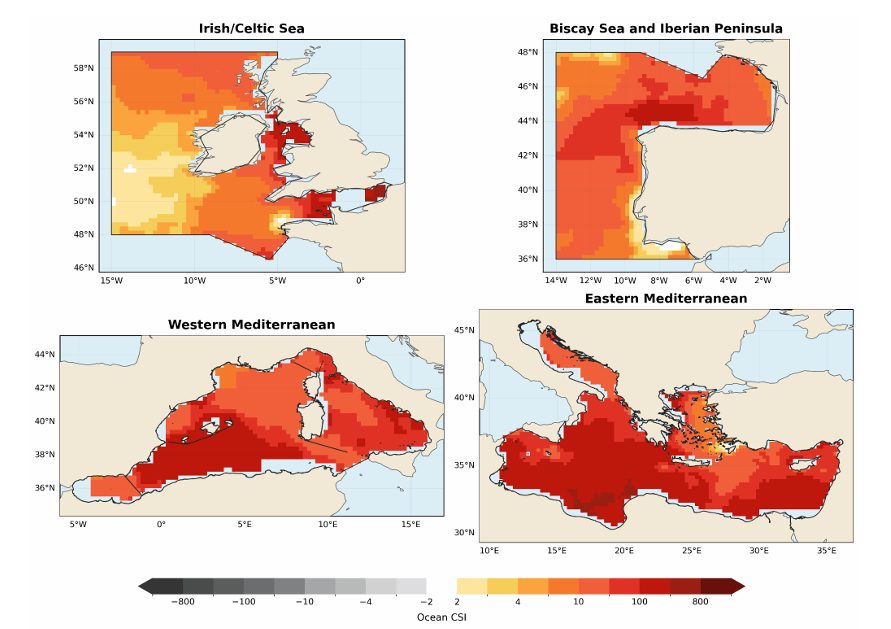
What makes this research especially important is timing. These heatwaves aren't confined to summer anymore. They're arriving earlier in spring, hitting harder, and arriving more frequently. In the Celtic region, scientists observed temperatures that, in pre-industrial climates, would have been considered a once-in-a-century event. In the Mediterranean, some peaks would have been nearly impossible under natural conditions alone.
Claire Bergin, a climate analyst at Maynooth University in Dublin, put it plainly: while warmer waters might sound appealing to swimmers from cooler countries, what's happening beneath the surface is far more consequential. The fish you might eat for dinner, the crustaceans served at coastal restaurants, the species that feed local fishing communities and fuel regional tourism, they're all on the move. Dolphins are now feeding on jellyfish because their traditional prey has vanished. Food webs that took centuries to establish are unraveling in years.
The cascades of impact ripple outward. As marine species migrate toward colder waters in search of refuge, the range of fish and shellfish available for human consumption shifts. Aquaculture operations that have operated along the same coastlines for generations face uncertain futures. At the same time, warmer seas bring risks of new diseases and parasites. Coastal regions experience higher humidity and heat stress, while the seasonal risk of extreme rainfall events climbs.
For travelers, this translates into real changes to the places you visit. Some famous fishing villages may lose their commercial identity. Coastal food traditions that define regional identities become harder to sustain. The biodiversity that makes European coasts so compelling to visit gets diminished. If you're drawn to popular European coastal destinations, the ecosystems that make them special are under genuine pressure.
The research team isn't resigned to catastrophe. They've outlined a path forward that hinges on rapid movement away from fossil fuels. But they also stress that adaptation matters now. Fisheries management needs evolution. Marine habitats need protection. Early-warning systems and improved monitoring can help communities prepare. Some regions are already taking these steps seriously, like Poland's broader climate adaptation efforts that signal how systemic environmental response can reshape how communities prepare for change.
The takeaway for travelers isn't gloom. It's clarity. The European coasts you visit aren't abstract destinations. They're living systems dependent on conditions that are shifting rapidly. Understanding what's happening beneath the waves adds depth to any coastal journey. It makes you a more thoughtful visitor, someone who grasps why supporting local fishing communities, respecting marine protected areas, and choosing sustainable seafood options matters. The warmer waters may draw you in for a swim, but what's changing below deserves your attention too.