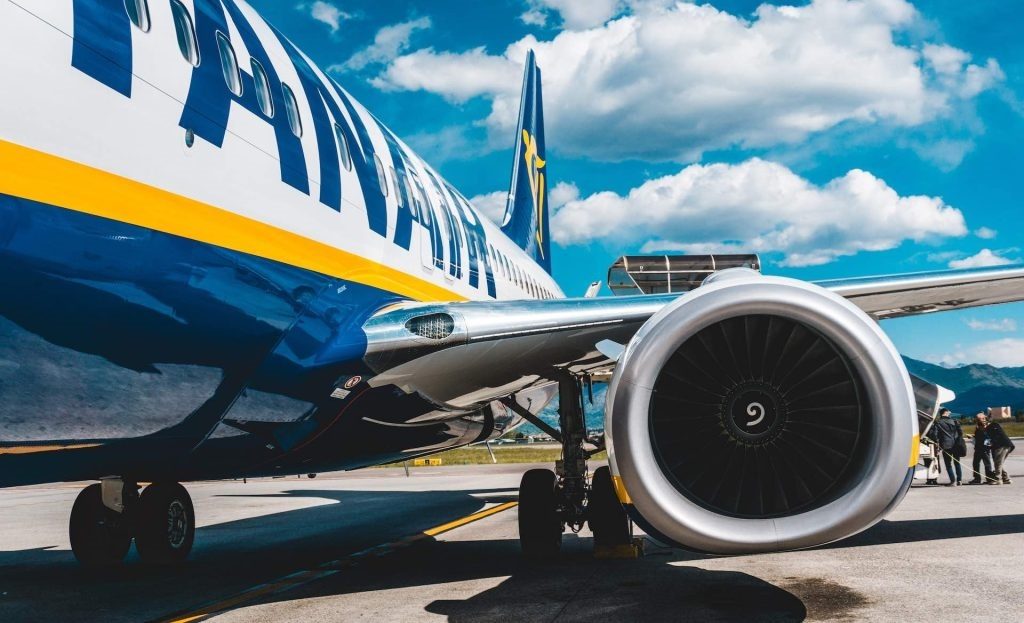
When geopolitics meets your travel plans, the results rarely feel fair. Ryanair just reported a gut punch to investors: a 34% nosedive in quarterly profits, with after-tax earnings dropping to €538 million from the prior year's performance. The culprit isn't mismanagement or operational failure. It's a global crisis that nobody traveling through Europe can ignore.
The war involving Iran has choked off one of the world's most critical energy arteries. The Strait of Hormuz, that narrow waterway between Iran and Oman, normally carries a massive chunk of global oil and gas supplies. When fighting disrupts traffic through it, energy prices don't inch upward. They spike. Hard. Jet fuel hit around $150 per barrel during the quarter, and that number ripples through every airline's fuel budget like a shockwave through a canyon.
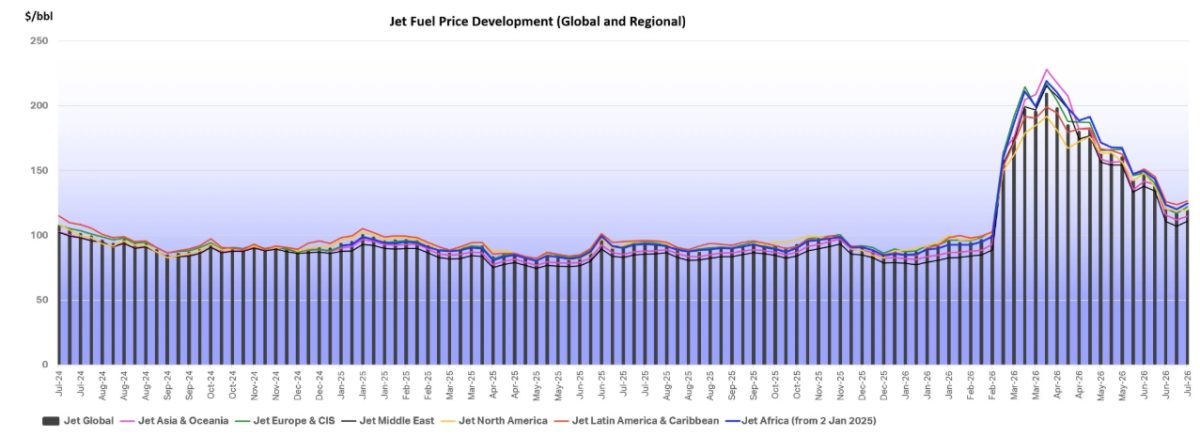
Here's where things get interesting for travelers: Ryanair had hedged about 80% of its fuel needs in advance, locking in prices before the crisis hit. That safety net worked. But the remaining 20%? That unhedged portion more than doubled in price. The airline also cut average fares by 6% across the board just to keep passengers booking. The strategy worked on volume (they carried 61.3 million passengers, up 6% year-over-year), but revenue only climbed 1% while operating costs jumped 11%. The math doesn't work.
The Booking Game Has Changed
CEO Michael O'Leary explained the real squeeze: "consumer hesitancy." The Middle East conflict created uncertainty that sent travelers into decision paralysis. Instead of booking spring trips in January, people waited. And waited. For an airline trying to forecast demand and adjust pricing, this is maddening. When booking windows shrink, airlines lose visibility into how many seats they'll actually fill and how much revenue they'll generate.
The Mediterranean routes, Ryanair's bread and butter, still packed passengers in. People haven't abandoned their summer holiday dreams. They've just postponed the moment of commitment. CFO Neil Sorahan noted that travelers are "as keen to get away as ever" but booking "just a little bit later." That may sound like a minor shift, but for an airline operating on razor-thin margins, it's a significant headache. Other carriers have faced similar constraints when geopolitical uncertainty clouds the horizon.
What Happens Next
O'Leary had already warned during interviews that Europe could face jet fuel shortages if the conflict escalates further. The UK, he noted, imports substantial fuel from Kuwait via the Strait of Hormuz, putting it in a uniquely vulnerable position. The government countered that other supply routes exist, but the point stands: airlines are watching the situation like hawks, and supply chain anxiety is real.
For summer 2026 and beyond, expect fares to stay "modestly" lower than last year. That sounds good for your wallet until you realize why: Ryanair is essentially using price cuts as a passenger magnet to maintain high load factors. If fuel costs don't drop and other operating expenses remain elevated, those cheaper fares could persist not because the airline is feeling generous, but because it has no other choice. O'Leary's focus on ultra-low fares has always been central to the airline's model, but this quarter revealed the limits of that strategy when external forces spiral beyond any airline's control.
The company hasn't released profit guidance for the full 2026-27 financial year. O'Leary was blunt: "We have zero second-half visibility." The airline's results are now hostage to Middle East escalation, Ukraine developments, unhedged fuel prices, European air traffic control strikes, and operational disruptions nobody can predict. That kind of uncertainty doesn't inspire confidence in Wall Street, and it doesn't make for relaxed travel planning either.
The broader lesson here is that global events don't announce themselves politely before hitting your travel budget. Fuel prices, geopolitical flare-ups, and supply chain fractures have ripple effects that reach all the way to the price of your flight to Barcelona. Ryanair's quarterly stumble is a reminder that some airlines manage crises better than others, but even the best operators can't outrun a global energy crisis. If you're planning European travel this summer, the current window of modestly lower fares might close faster than you think.