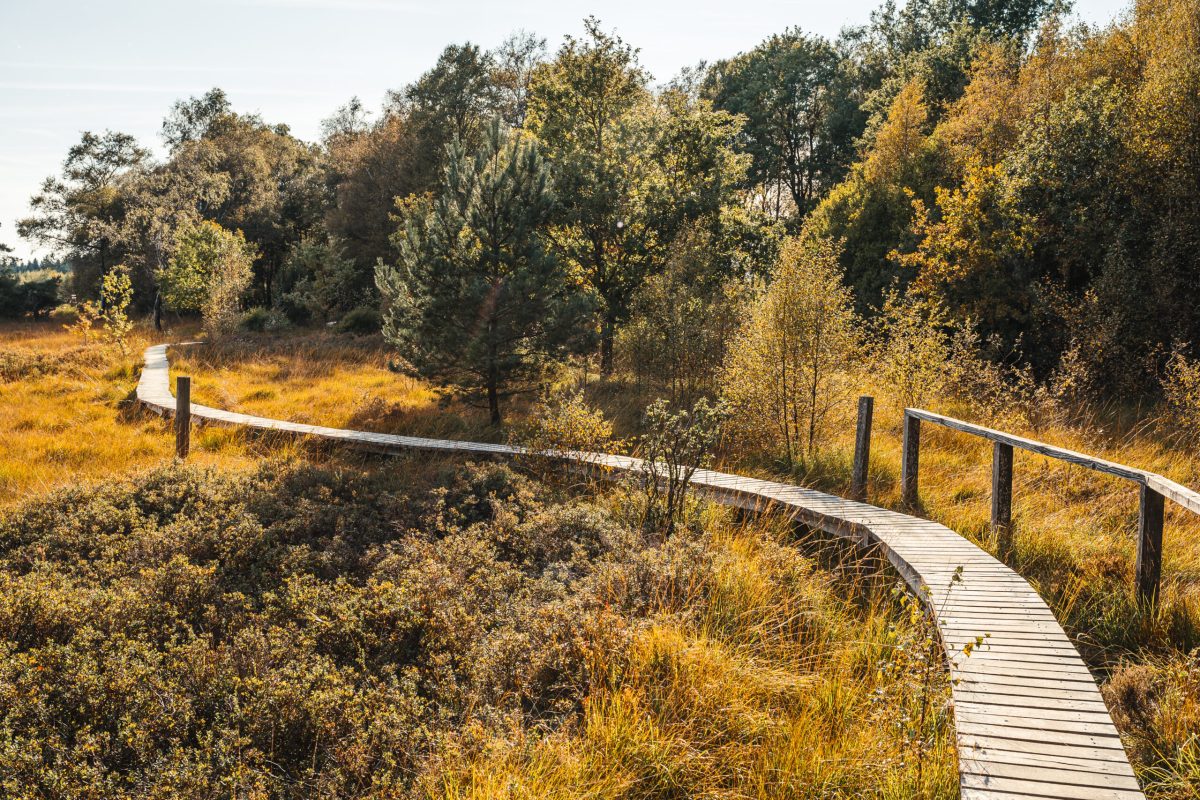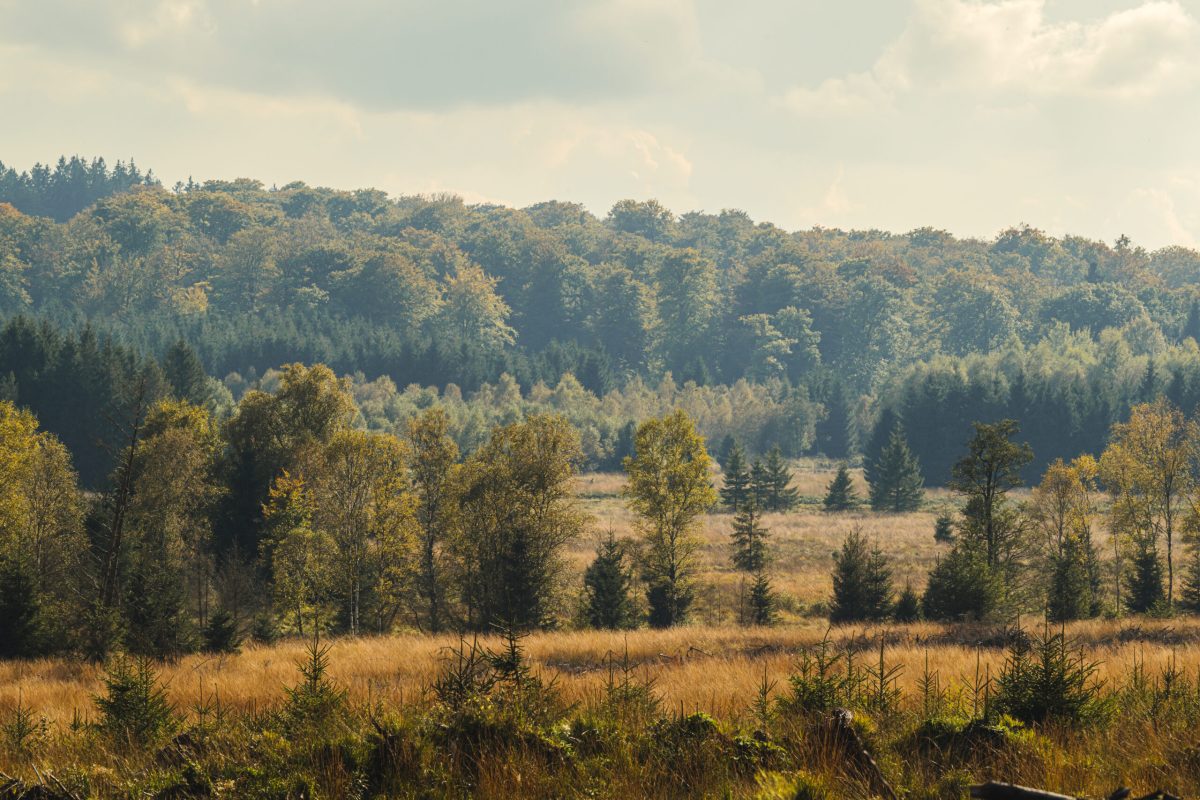
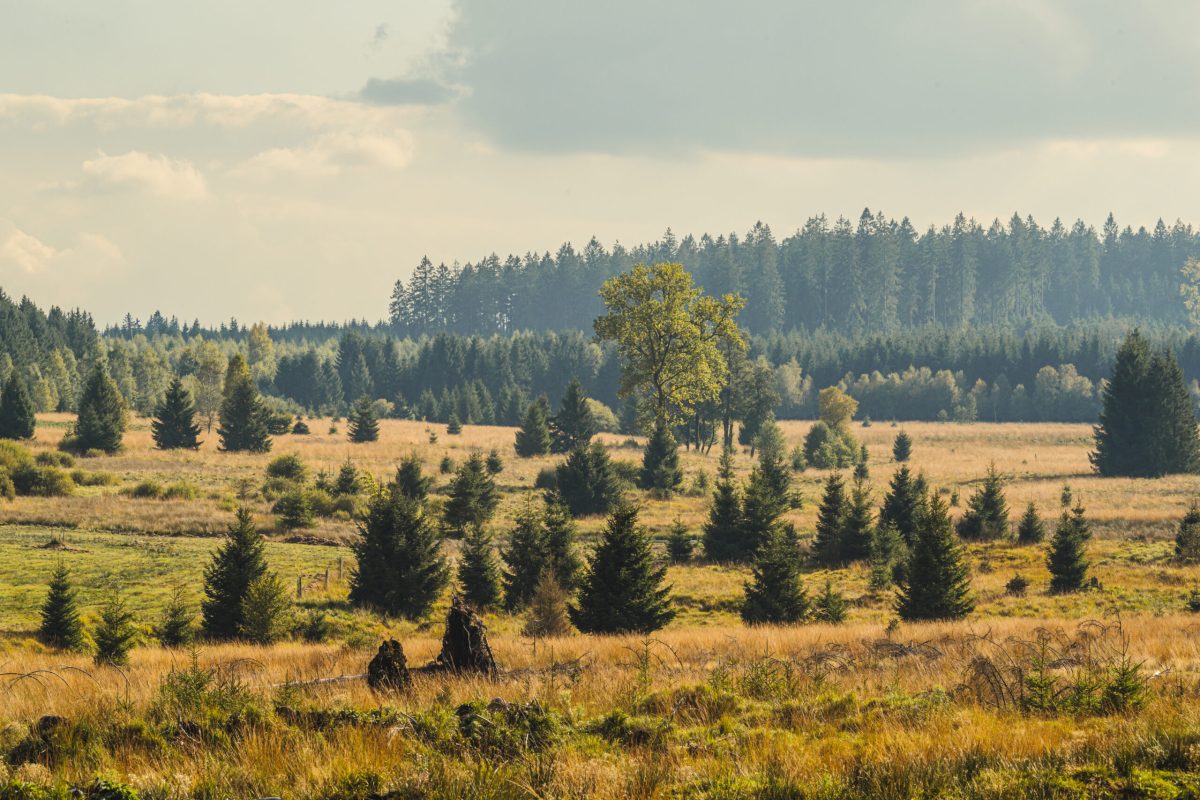
Leave Spa's Belle Époque architecture behind and four kilometers of climbing will deposit you on a plateau that feels like another planet. At 500 meters above sea level, the Domaine de Bérizenne and Fagne de Malchamps replace manicured spa grounds with peat bogs, heathland, and forests. Water still dominates the landscape, but here it moves through moss and soil rather than treatment pipes.
The word "fagne" hints at what's underfoot. These are marshy, acidic environments where traditional farming never took hold. "Malchamps" literally means "bad field" - land too wet and poor to cultivate. That historical uselessness has become its greatest asset. The 365-hectare protected area, part of the Natura 2000 network, now harbors ecosystems increasingly rare across Europe.
One Centimeter per Year Changes Everything
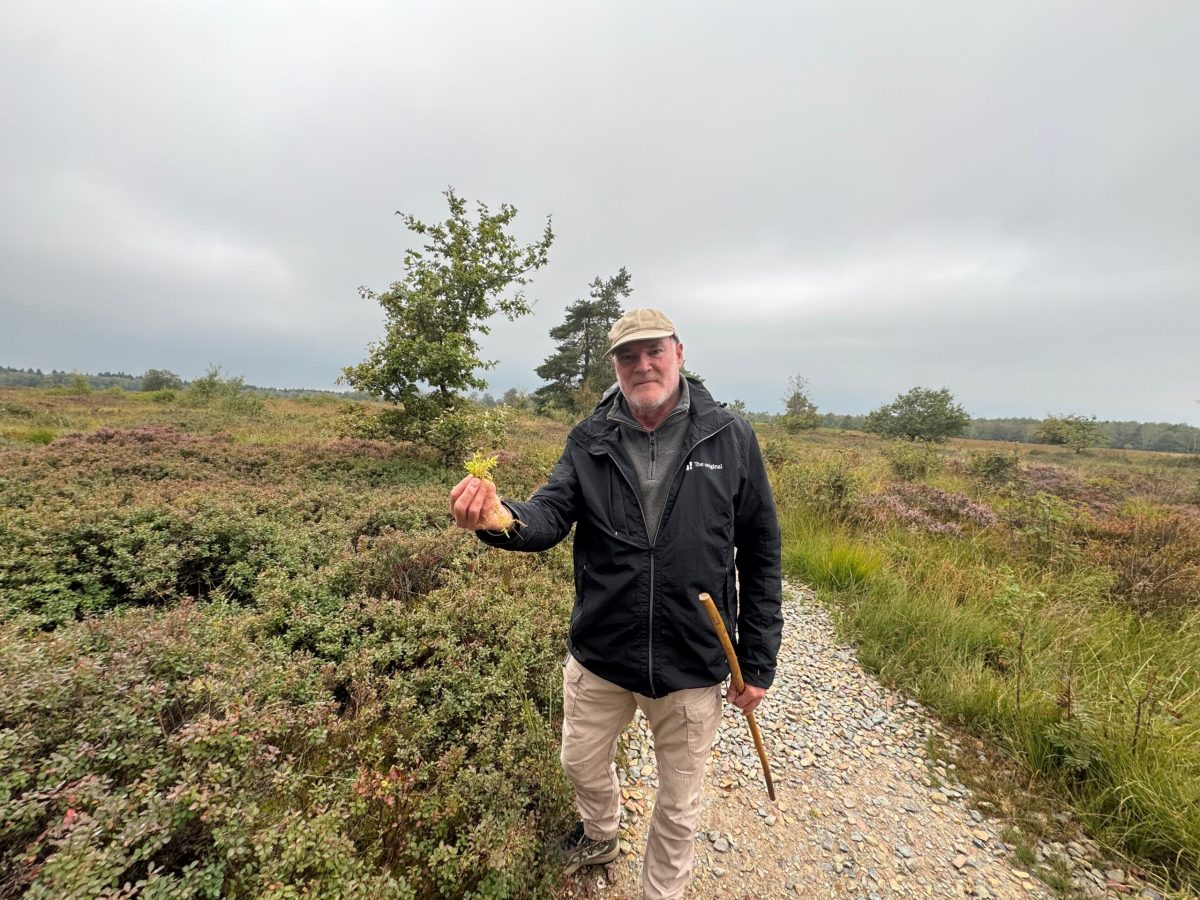
Walking the marked trails with a local guide makes the landscape's intricate layers visible. Blueberries dot open heathland. Birches give way to boggy patches. Then you spot the sphagnum. It looks like ordinary moss, bright green and slightly damp, but it's anything but ordinary. Unlike most plants, sphagnum has no roots or vascular system. It thrives in wet conditions and grows at a glacial pace: about one centimeter annually. When it dies, it doesn't fully decompose. Instead, layer accumulates on layer, century after century, creating peat.
Holding a handful of sphagnum makes its ecological significance hard to grasp. This delicate plant retains water, maintains the fagne's acidic character, and serves as a massive carbon store. The physical evidence of its work surrounds you on every trail.
The connection between this wild plateau and how a Belgian town turned mineral water into an entire way of life becomes tangible when you understand the water's journey. Rain falls on the plateau and doesn't immediately rush into streams. It percolates slowly through vegetation, peat, and soil layers. Some water gets naturally filtered through the upper levels before emerging at springs with minimal minerals. Other water penetrates deeper, passing through geological faults and mineral-rich layers, eventually surfacing with the heavy mineralization and carbonation that makes Spa water famous.
Why a Mineral Water Company Owns a Bog
Spadel, the Belgian family business behind Spa water, purchased the Domaine de Bérizenne in 1972 for one reason: protection. The company needed to guarantee that rainwater reaching their springs would remain pure. This led to something remarkable. The protected Spa aquifer area has expanded over generations and now covers 13,177 hectares, making it one of Europe's largest protected groundwater zones. Agriculture and industry are prohibited. Pesticides, fertilizers, and chemical soil improvers are forbidden. The landscape above is the bodyguard for the water below.
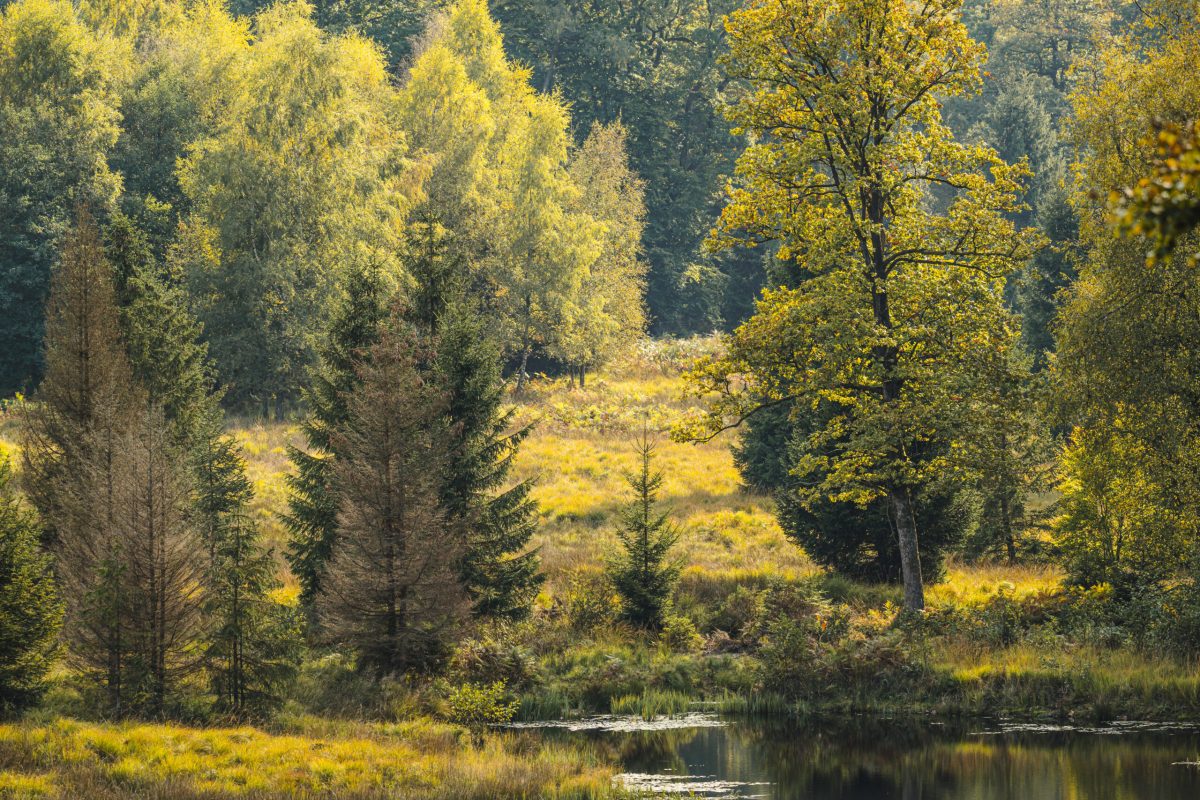
Walking the fagne makes this connection impossible to ignore. Every moss plant, every tree, every layer of peat serves as a natural filter. Protecting this landscape isn't separate from protecting the water. It's the same process.
Three Routes for Every Fitness Level
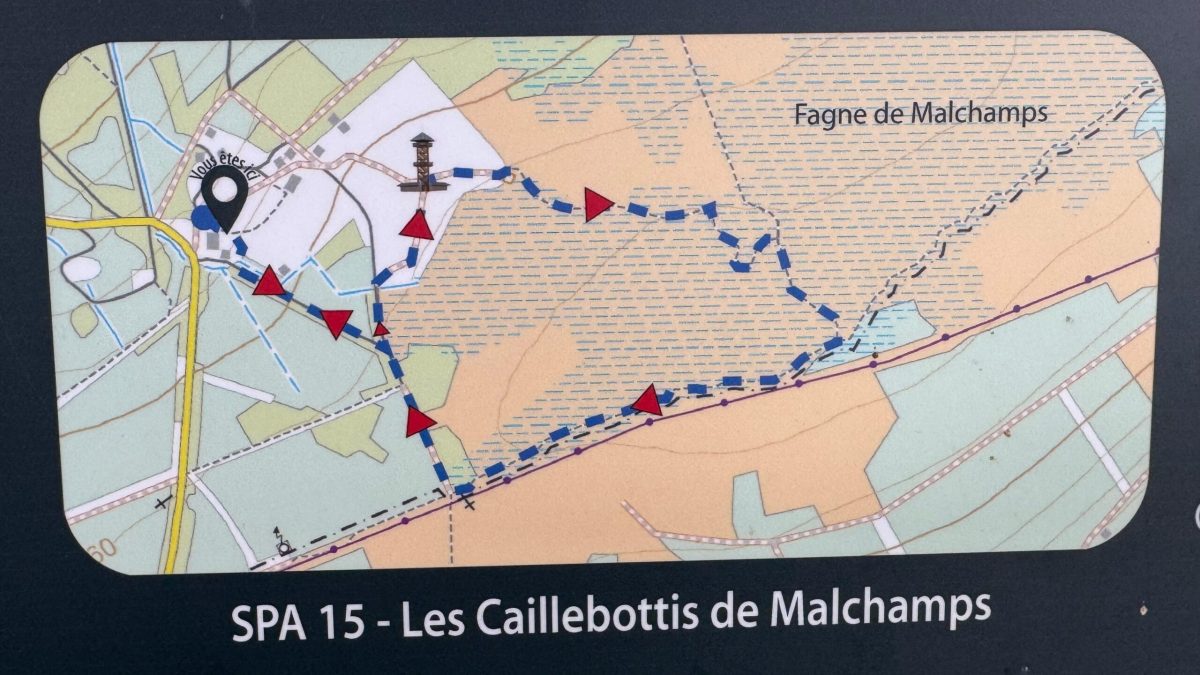
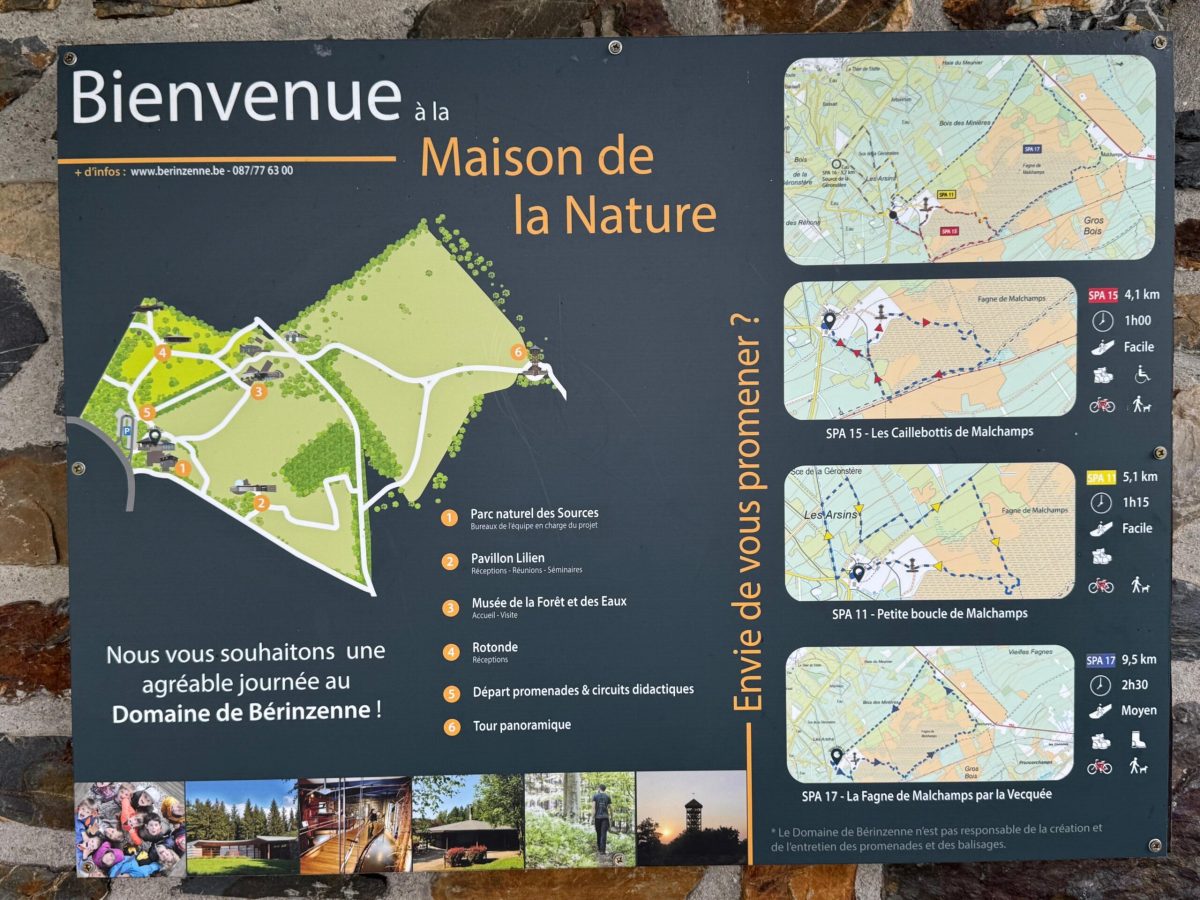
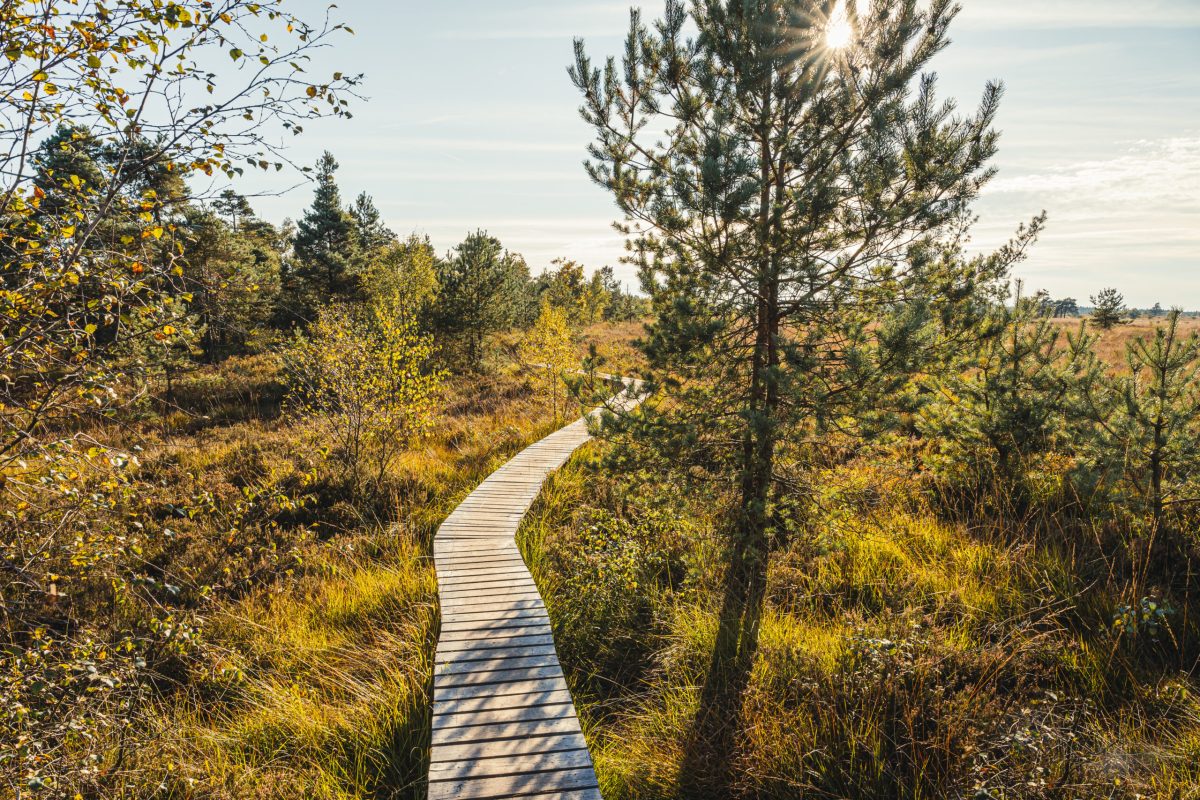
You don't need serious hiking credentials to explore this area. The Maison de la Nature at Domaine de Bérizenne offers three marked trails tailored to different energy levels and timeframes. SPA 15 (Les Caillebotis de Malchamps) covers 4.1 kilometers in roughly an hour, though stopping frequently to observe plants and geology can stretch this to 90 minutes. For those with more time, SPA 11 (Petite boucle de Malchamps) runs 5.1 kilometers over about 75 minutes, while SPA 17 extends the experience further for serious explorers.
The payoff is simple: you'll understand where Spa's water really comes from. Not from fancy treatment facilities, but from moss that's been growing since before your grandparents were born, from forests that filter rain, from a landscape that looks rough and wild but functions as one of Europe's most sophisticated water purification systems. The plateau is just four kilometers away, yet it feels like discovering something that spa town visitors have been walking past for centuries without truly seeing.