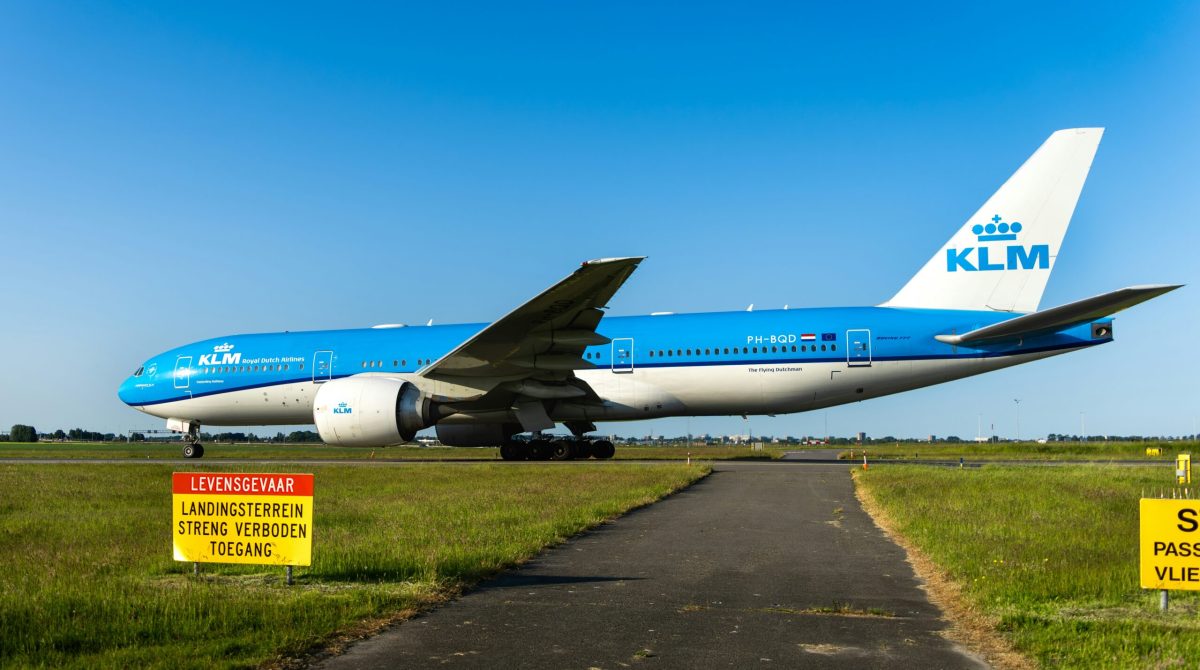
KLM just threw another wrench into summer travel plans. The Dutch airline, which initially said flights to the Middle East would resume by late June 2026, has now pushed those dates back significantly. Dubai won't see regular service resume until early August at the earliest, while routes to Riyadh and Dammam have been delayed until mid-July.
The airline made this announcement on May 26, 2026, following a pattern of progressively longer delays since March. Back then, when the airline first suspended services, the plan was simple: wait a few months and get back to normal. Three months later, "normal" still seems far away.
What's Actually Happening on the Ground
Since late February 2026, when geopolitical tensions escalated sharply in the region, carriers across the globe have been avoiding Middle Eastern hubs that once bustled with connections. This isn't just KLM. Airlines everywhere pulled back from the region en masse, rerouting passengers and abandoning their regular schedules.
KLM, which is part of the Air France-KLM group, suspended all Middle East operations starting March 1. Since then, CEO Marjan Rintel has emphasized safety as the deciding factor. "Your safety remains our top priority," Rintel said in a March statement. "We will not resume flights until the airspace is confirmed safe for civil aviation." That message has only become more relevant as weeks turn into months.
The airline's approach has involved working with affected passengers individually. Those with bookings have the option to reschedule, cancel, or explore alternative routes through partners like Air France and Delta Air Lines. KLM's customer teams have been fielding thousands of requests, trying to salvage summer plans for travelers who had their Middle East trips derailed.
A Ripple Effect Across the Travel Industry
The impact extends far beyond KLM's route map. According to data from the International Air Transport Association (IATA) released in May 2026, bookings to the Middle East for summer travel dropped by half in just two months. That's a staggering number. Air passenger bookings for journeys between June and September 2026 fell 50 percent in March and April compared to historical norms.
Yet here's the twist: global air passenger bookings grew by 6 percent over the same stretch. Travelers didn't stop flying. They just changed where they were going. Many ditched long-haul plans in favor of closer regional destinations, choosing to explore Europe or other nearby markets instead of the traditional Middle Eastern hub-and-spoke routes.
The Airports Council International reported that European air traffic expanded by 3.8 percent in March 2026. Cities across Europe benefited from this shift, absorbing some of the passengers who would have otherwise been connecting through Dubai or Doha.
When Will This Actually End
Here's the uncertainty hanging over everyone: even if KLM resumes flights in July and August, there's no guarantee those dates will stick. The airline has already extended cancellations three times. Each extension has come with the caveat that further delays depend entirely on how the regional situation develops.
If you have tickets to the Middle East right now, don't assume your flight is happening just because a date hasn't been officially cancelled yet. Contact KLM directly and explore your options. The airline is being cooperative about rebooking, but the sooner you make a move, the more flexibility you'll have.
For those still planning summer travel, some destinations in the region are working to stay resilient despite the disruptions. But for now, booking a flight to Dubai or Riyadh is still a gamble. The safest bet for your 2026 summer getaway remains closer to home.