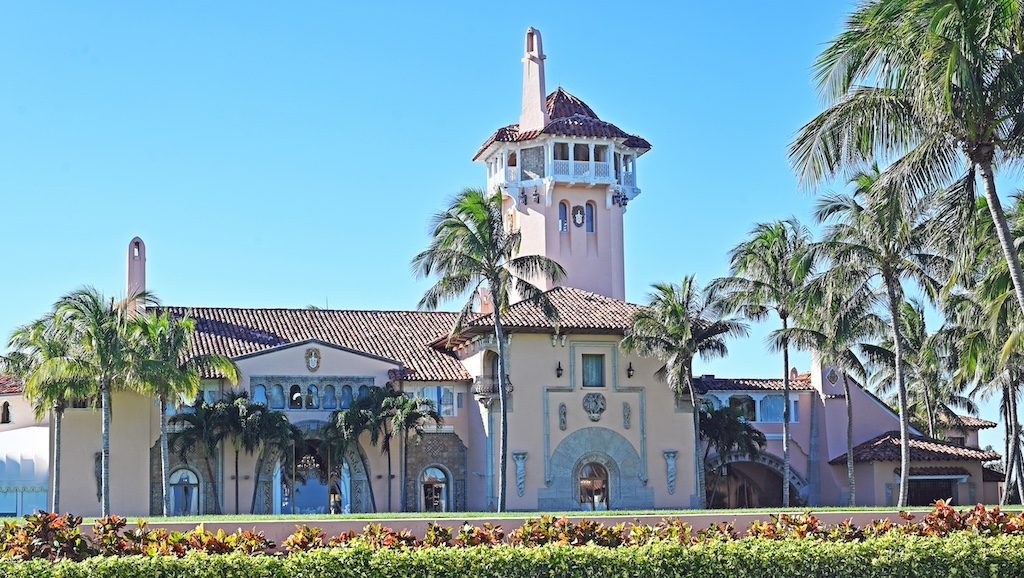
South Florida's aviation landscape is about to shift. The FAA has put forward a proposal that would establish permanent flight restrictions in a zone around President Donald Trump's Mar-a-Lago residence in Palm Beach, yet keep commercial flights moving. It's a delicate balancing act between security and keeping one of the region's major airports operational.
The Secret Service requested these new rules, citing growing concerns about unauthorized aircraft and drones approaching the property. The restricted zone would span one nautical mile around Mar-a-Lago and rise up to 2,000 feet in altitude. The tricky part? The residence sits less than five miles from Trump International Airport (formerly Palm Beach International) and directly in the path of planes using its main runway.
How the compromise actually works
Rather than implementing a traditional no-fly zone that would cripple airport operations, the FAA designed something more nuanced. Commercial flights can still use the airspace if pilots follow specific procedures. Airlines would need to file flight plans before departure, receive clearance from air traffic control, maintain radio contact throughout the zone, and use discrete transponder codes for radar tracking. Think of it as adding extra checkpoints rather than closing the road entirely.
Emergency flights, medical rescue operations, and law enforcement aircraft retain access as well. They simply need to coordinate with the airport's control tower. The real goal isn't stopping planes outright but preventing unidentified or unscheduled flights from getting near a protected location. Drone activity has become the Secret Service's primary concern because these unmanned systems are tough to spot and can approach targets from unexpected angles and altitudes.
Why this matters for travelers
For most passengers, life should look the same. Airlines operating out of Trump International should continue regular schedules without major disruptions, provided they follow the new protocols. The FAA specifically noted that a conventional presidential no-fly zone would render the main runway unusable, which would devastate connectivity for South Florida travelers. This proposal preserves that link while addressing legitimate security gaps.
Temporary restrictions have already been in place around Mar-a-Lago since October 2025, set to expire next October. The new proposal would replace these temporary measures with a permanent framework, since Trump uses the property regularly rather than visiting occasionally like past presidents. The FAA has previously implemented similar restrictions around other presidential and vice-presidential residences, though the Palm Beach situation is particularly complex given the airport's proximity and commercial importance.
Trump International Airport underwent its own change in July 2026 when it adopted its new name. It ranks third in South Florida for daily passenger traffic, behind Miami International and Fort Lauderdale-Hollywood. That volume means hundreds of flights pass through or near the proposed restricted zone on any given day. Any solution had to account for this reality. If you're planning trips through South Florida, these operational details matter to your journey.
What happens next
The proposal remains exactly that for now. The FAA hasn't formally adopted the permanent rules, meaning there's still opportunity for public comment and potential revision. When millions of flights operate daily, regulatory changes affect countless people. The aviation authority will need to carefully balance security requirements with operational realities before implementation.
For travelers using South Florida as a gateway, understanding these emerging protocols helps you plan better. Flight times shouldn't change dramatically, but knowing that enhanced tracking and clearance procedures exist behind the scenes explains why aviation security continues to evolve. The proposal demonstrates how modern aviation must solve genuinely difficult problems: protecting specific locations while maintaining the connectivity that millions depend on every day.