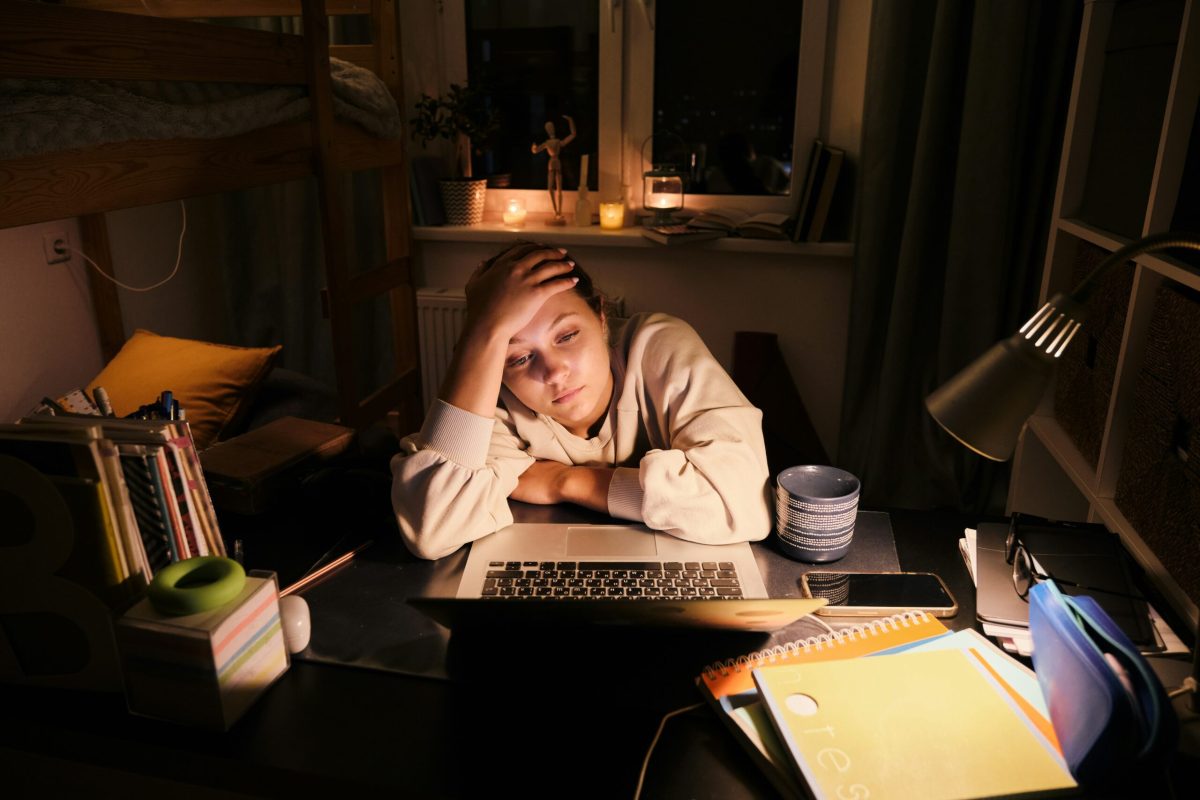
You know the routine: drag yourself out of bed for school all week, then collapse into your pillow at noon on Saturday. Feels like justice, right? Wrong. Researchers at the University of Southampton have discovered something unsettling in that pattern: it's actually amplifying anxiety in teenagers, and the effect is consistent enough to worry about.
The culprit has a deceptively calm name: "social jet lag." Unlike the exhaustion that hits you after crossing time zones on a plane, social jet lag happens without leaving your bedroom. It's the violent weekly swing between weekday wake-up times and weekend lie-ins, forcing your body to live in two different time zones simultaneously. The Southampton researchers examined 18 separate studies and pooled data from more than 230,000 participants, and the pattern emerged clearly: teenagers who experienced greater social jet lag reported higher anxiety levels.
Why your body loses the plot every weekend
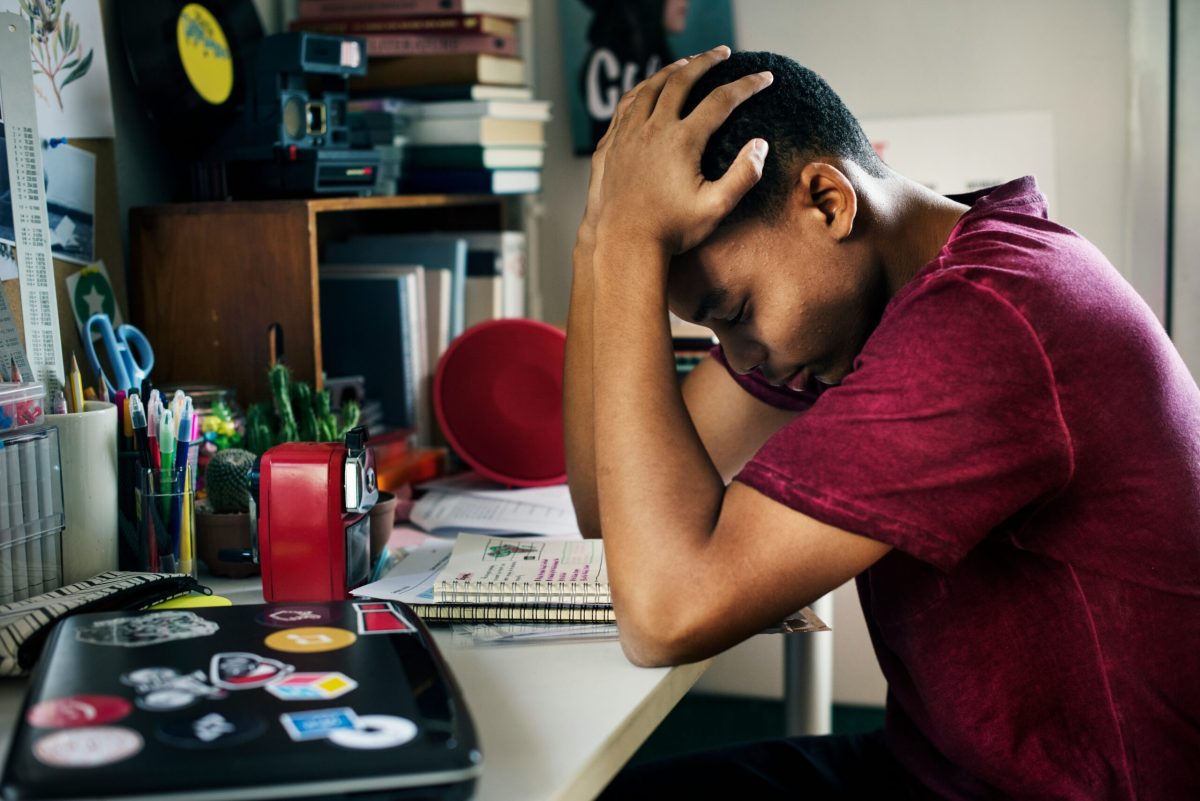
Puberty does something weird to your internal clock. Your body shifts its natural sleep rhythm back by a few hours, which means you don't feel tired until later and would naturally wake up later too. Meanwhile, schools still start at dawn. Add in evening screen time and homework deadlines, and many teenagers rack up a serious sleep debt by Friday.
Then comes the weekend, and suddenly you're "recovering" by shifting your sleep schedule completely. Your body doesn't see this as a gift. It sees it as a biological crisis. You're essentially time-traveling backwards and forwards every seven days, without ever boarding a plane. Dr Hannah Ravenhall, lead author of the study, points out that this inconsistency is the real enemy: "The findings highlight the importance of maintaining regular bedtimes and wake times throughout the week, even at weekends."
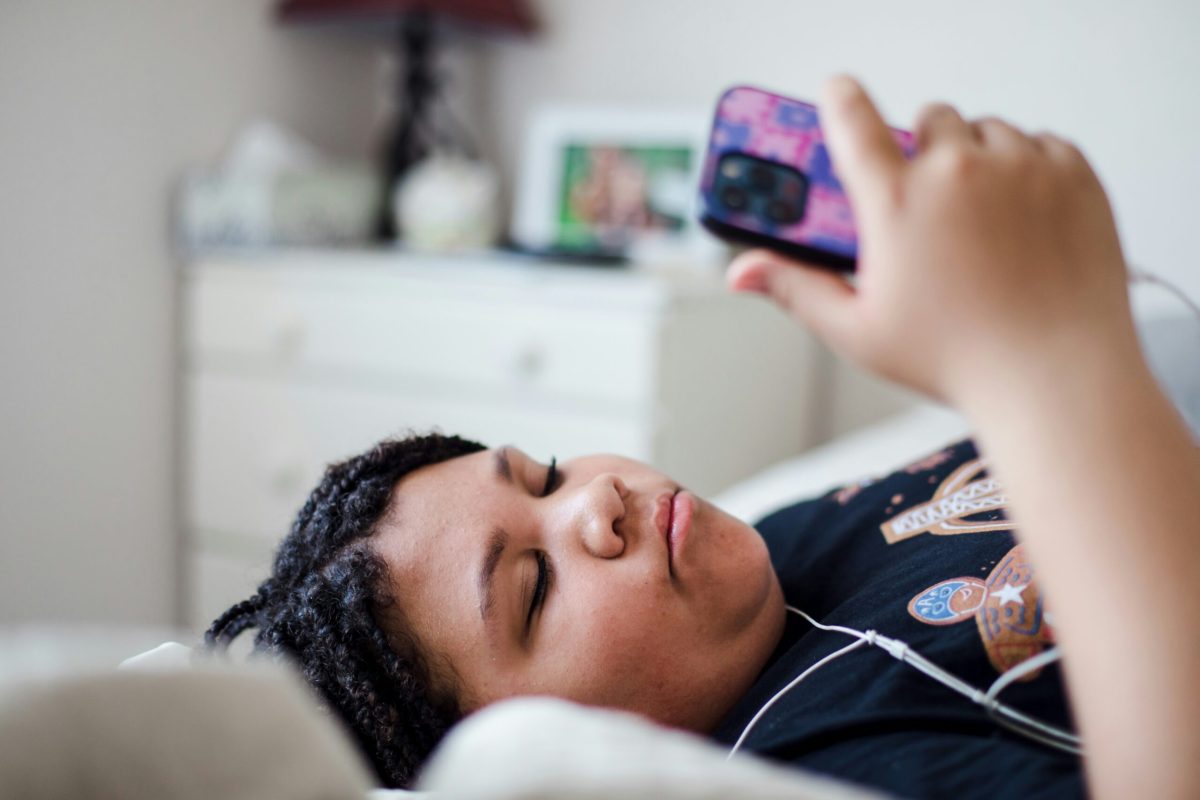
Here's where it gets complicated: the relationship between sleep disruption and anxiety works both ways. Teenagers with worse social jet lag showed higher anxiety, but teenagers with higher anxiety also tended to have worse social jet lag. It's a vicious cycle that feeds itself.
The anxiety toll is bigger than you might think
This matters because teenage anxiety is already a public health crisis. The World Health Organization reports that around 4.4% of 10 to 14-year-olds and 5.5% of 15 to 19-year-olds worldwide struggle with diagnosable anxiety disorders. Sleep disruption isn't causing all of this, but the Southampton research suggests it's one significant factor sitting alongside stress, social pressure, and everything else modern teenagers navigate.
Schools might need to rethink their schedules
Here's the tension: you can't fix this by telling teenagers to just try harder and go to bed earlier. Individual willpower only goes so far when the whole system is working against biological reality. Dr Sarah Chellappa, co-author of the study, explains the deeper problem: "During puberty, the body's internal clock usually shifts back by a few hours, meaning teenagers naturally don't start feeling sleepy until later and would ideally wake up later too." Yet most secondary schools still require students to arrive before 8 a.m.
This is why researchers are pushing for structural change. School start times that actually align with teenage biology, consistent sleep schedules that don't flip every Friday night, and public health guidance that emphasizes timing alongside duration all matter. Your body doesn't care if you slept nine hours if those hours happened at completely different times of day.
What travelers (and their parents) should know
If you're planning family travel that disrupts a teenager's sleep schedule, this research adds weight to something many parents already suspect: switching time zones and irregular bedtimes can genuinely affect mood and anxiety levels. If you've got family trips planned during school holidays, building in a buffer day or two to adjust sleep schedules might actually improve everyone's experience.
The bottom line is straightforward but inconvenient: catching up on sleep during the weekend doesn't fully compensate for disrupted routines during the week. When it comes to teenagers' sleep, consistency matters almost as much as the total hours. Waking up at the same time every day, even on days off, sounds restrictive. But the science suggests it's one of the simplest ways to protect mental health.