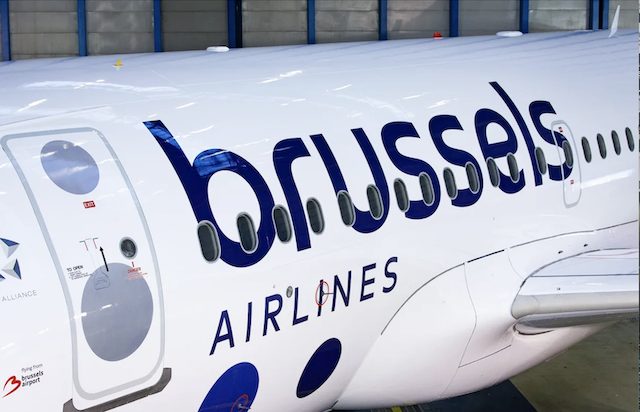
Travel to Tel Aviv is slowly returning to normal as international carriers rebuild routes halted by years of regional disruption. But one European airline is discovering that getting passengers to Israel is only half the battle. Brussels Airlines now faces potential strikes after reinstating mandatory crew assignments on the route, a move that has infuriated staff and their union representatives.
The trouble started simply enough. When Brussels Airlines resumed Tel Aviv service this summer, the airline staffed its flights with volunteers. Workers who wanted to fly the route could opt in. Those uncomfortable with the assignment stayed home. It was a practical compromise that kept both the airline and its staff reasonably content.
Then Brussels Airlines switched gears. Once the route settled into regular operation, the carrier abandoned the volunteer system and returned to standard crew scheduling, which means assigning staff to flights based on roster rotations, not personal preference. That decision triggered an immediate backlash. The Belgian trade union ACV Puls, which represents airline workers, argues this violates a prior agreement guaranteeing staff the right to refuse these assignments.
The Safety and Conscience Question
Union representative Jolinde Defieuw laid out the stakes plainly. "Staff have serious concerns about both their physical safety and the mental and ethical impact of these flights," she said. "Brussels Airlines refuses to give employees the option to refuse such assignments." The union issued formal strike notice on September 1st, warning that industrial action could follow if the airline doesn't back down. Any disruption, the union promised, would affect only Tel Aviv services, protecting the rest of Brussels Airlines' network.
Defieuw also pointed to Belgium's own travel warnings. The government advises against all non-essential travel to Israel and Jerusalem, citing ongoing security concerns. "Brussels Airlines cannot act as though Tel Aviv is a normal business destination," the union argued. The message was clear: if it's dangerous enough that Belgium discourages civilians from going, workers shouldn't be forced to go either.
The Airline's Defense
Brussels Airlines sees things differently. The carrier explained that the volunteer system was always meant as a temporary measure during the route's restart phase. Now that operations are stable, the airline said, standard procedures simply make sense. "During the first few weeks, these flights were operated by volunteers. Now that these flights have been successfully resumed, we can return to the standard procedure for drawing up duty rosters," a spokesman stated. The airline added it would continue monitoring the situation alongside other carriers in the Lufthansa Group, and could adjust if circumstances change.
The Brussels Airlines standoff illustrates a persistent challenge facing international carriers as they rebuild connectivity to Israel. It's not just about demand or aircraft availability. Crew reluctance remains a real operational headache. Other European airlines have quietly encountered similar resistance from flight attendants and pilots hesitant about Tel Aviv routes. Some workers cite safety fears. Others feel uncomfortable flying to a destination where conflict remains active.
The Bigger Picture of Rebuilding Routes
Meanwhile, major U.S. carriers are pushing forward with their own Israel expansion plans. Delta Air Lines planned to restart daily flights from New York to Tel Aviv on September 6th, with Atlanta service expected to resume in December. United Airlines was preparing to resume twice-daily Newark-Tel Aviv flights on September 8th, plus new connections from Chicago and Washington, D.C., launching in October. American Airlines took a more cautious approach, postponing all U.S.-Israel services until spring 2027.
The patchwork of timelines and commitments reveals how complicated this puzzle has become for airlines. They must balance passenger demand, security assessments, aircraft availability, and now a new factor: workforce cooperation. Some staff members simply won't volunteer, and forcing the issue creates labor headaches nobody wants.
Brussels Airlines' situation won't be solved by dismissing worker concerns or pretending crew preferences don't matter. The airline runs 300 flights daily across Europe, and labor peace matters. Yet the carrier also has commercial obligations. Finding that balance between respecting staff conscience and keeping schedules reliable remains the real test. Until Brussels Airlines and ACV Puls reach common ground, travelers booking flights to Tel Aviv may want to keep an eye on Belgium's labor news.