For years, hopping between London and Paris has meant one main rail option: Eurostar. That could change soon. Virgin Group has announced plans to run its own cross-Channel passenger trains starting in 2030, with up to 20 daily return trips linking London with Paris, Brussels, and Amsterdam. The move would inject nearly 7.5 million extra seats into the market each year, a serious shake-up for one of Europe's busiest travel corridors.
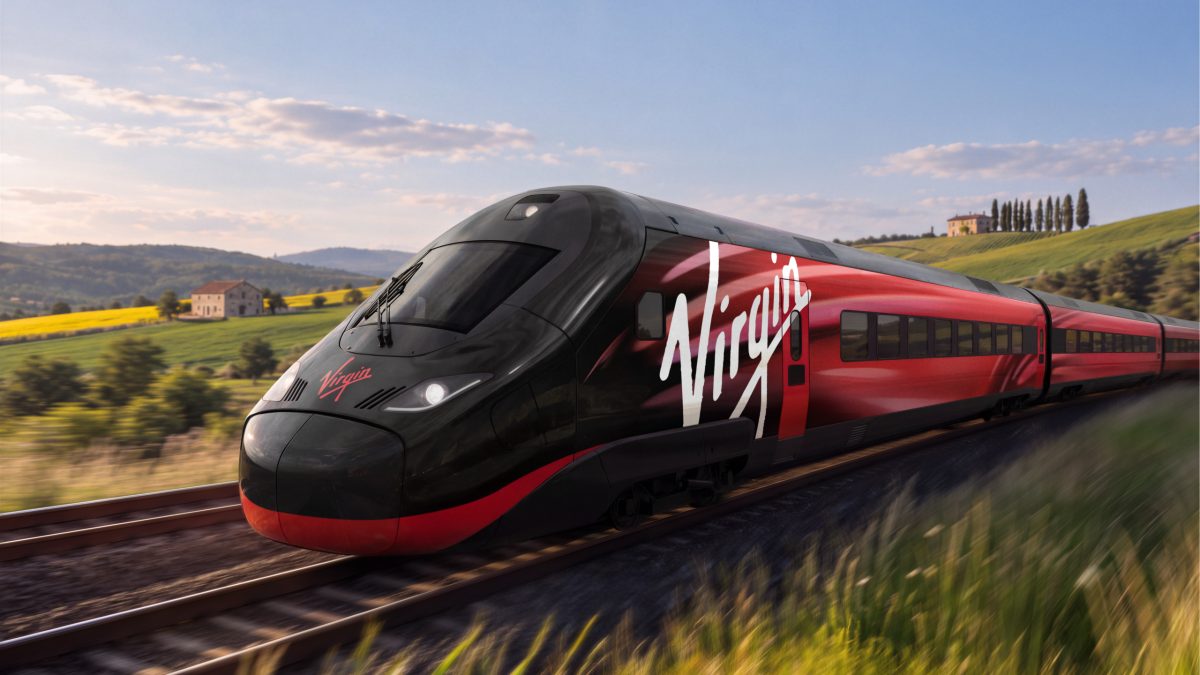
The company has signed a deal with French manufacturer Alstom to buy 12 Avelia Stream trainsets, each capable of hitting 300 km/h. Alstom will also handle maintenance under a 30-year contract. Virgin says the planned timetable could support around 1,000 jobs. The trains would run through the Channel Tunnel, using the same High Speed 1 line that Eurostar currently operates on.
Virgin's onboard concept borrows from its other brands. Think Virgin Atlantic lounges for pre-departure spaces, Virgin Voyages for food and drink, and Virgin Hotels for seating and interior design. The company also plans to tie the service into its Virgin Red loyalty program and is exploring connections between rail and Virgin Atlantic flights. Early design images show a black-and-red livery, a nod to the group's bold aesthetic.
Josh Bayliss, chief executive of Virgin Group, said the company expects more travelers to choose rail over air for short-haul European trips. "We're adding capacity for millions more international rail journeys each year, growing the market as a whole," he said. That optimism comes as the Channel Tunnel still has about half of its passenger-rail capacity unused, a fact that has caught the attention of other operators too.
Virgin is currently the only new entrant to have secured track access in the UK. The Office of Rail and Road has approved its use of High Speed 1 from 1 October 2030 to 31 December 2040. The company has also struck a deal with Eurostar to use the Temple Mills International depot in east London, the only maintenance facility directly connected to High Speed 1. Those agreements give Virgin a clearer path than rivals, though it still needs approvals for the Channel Tunnel and mainland European networks.
Competition is heating up. Italy's state-owned FS Italiane Group has ordered 19 Hitachi high-speed trains through Trenitalia France, part of a roughly €2 billion program that includes rolling stock, maintenance, and technical support. Those trains will serve its wider French and European network, including a planned Paris to London route that the company says could start in 2029. But FS Italiane has not yet secured the same UK track-access position as Virgin, and its launch depends on infrastructure arrangements and regulatory approvals.
For travelers, the prospect of more operators means more choice and potentially lower fares. The Virgin announcement also hints at a broader shift toward rail as a preferred way to cross borders. If you're planning a European getaway, it's worth watching how these plans develop. Meanwhile, other rail stories are making headlines, from Italy's new high-speed links to Germany to disruptions on Dutch networks.
The key dates to remember: 2030 for Virgin's proposed launch, and 2029 for FS Italiane's target. Both are still subject to regulatory hurdles, but the momentum is clear. More seats and more competition could make cross-Channel rail travel more accessible than ever. Until then, Eurostar remains the main game, but the tracks are being laid for a new era.