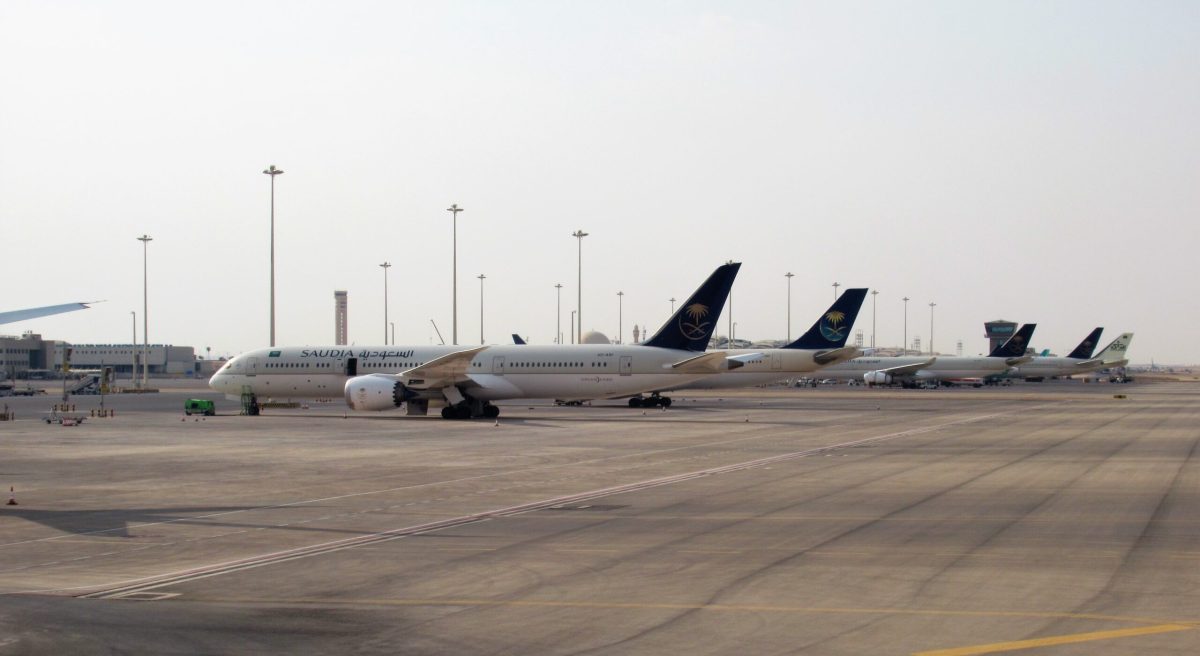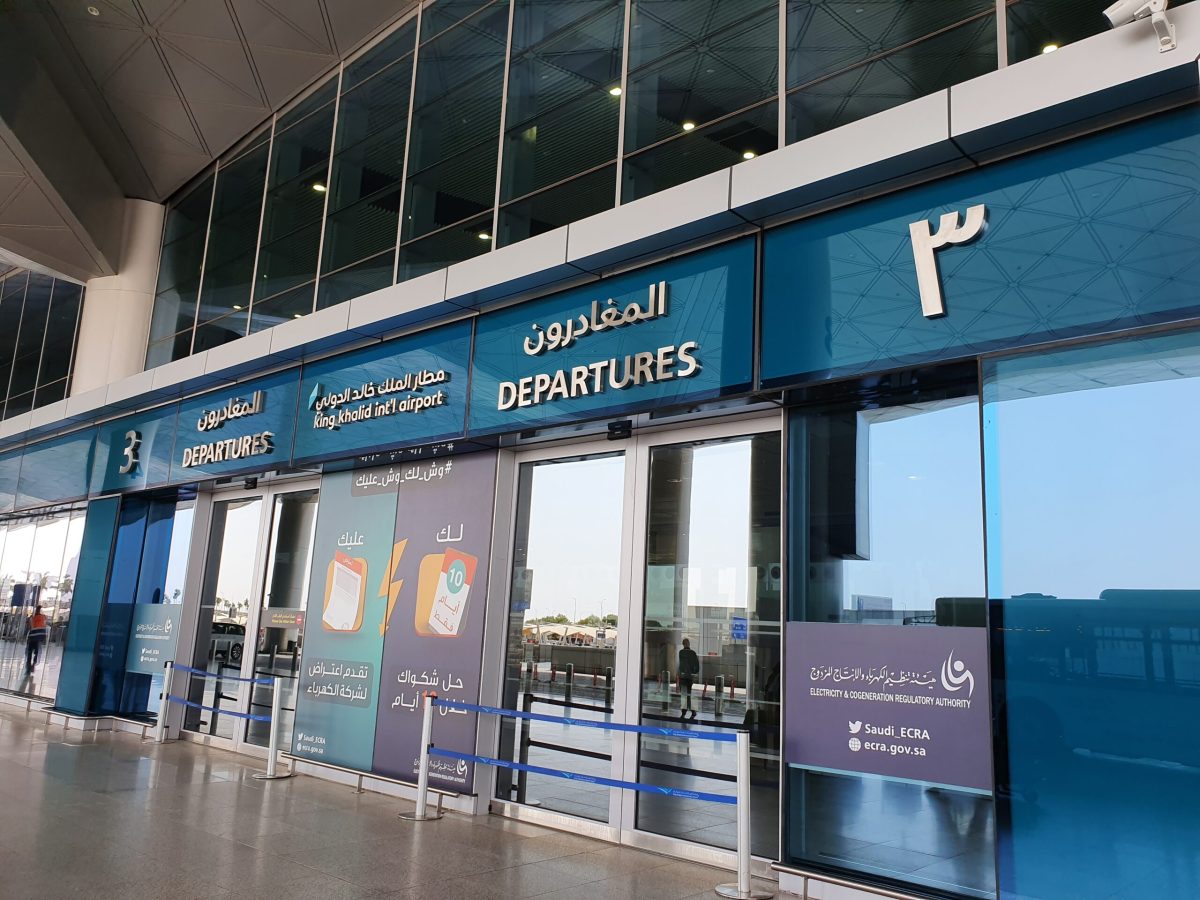
The nightmare at Riyadh's King Khalid International Airport shows no sign of letting up. On Sunday, 11 October 2026, another projectile slammed into the facility, killing a Pakistani national and wounding 11 others. It was the fourth attack in five days, and Iran-backed Houthi rebels in Yemen have claimed responsibility for every single one.
Saudi Arabia's General Authority of Civil Aviation (GACA) condemned the strike as a "heinous attack," confirming that terminals 3 and 4 took the hit and suffered material damage. Safety inspections are now underway, and the airport's suspension of operations has been extended indefinitely. There is no word yet on when flights might resume.
The violence escalated dramatically over the weekend. Saturday's assault was the deadliest, claiming 13 lives and injuring more than 300 people. Among the dead were four Saudis, two Bangladeshis, and nationals from the United States, Egypt, Jordan, Syria, Palestine, India, and Sudan. Video released by Saudi Arabia's Ministry of Media shows terrified passengers diving for cover as flames and thick smoke engulf the terminal.
This is being called the most lethal attack on Saudi soil in over a decade, and the worst on a Gulf state since the US-Iran conflict began. The Houthis say they are targeting Saudi Arabia because of its military support for government forces in Yemen's civil war. Their warnings have been blunt: airlines and passengers should stay away from Saudi airports.
For travelers, the practical impact is immediate. The British Foreign Office has advised against all but essential travel to Saudi Arabia, and the US Federal Aviation Administration has told American carriers to exercise extreme caution when flying to or over the kingdom. If you have a ticket to Riyadh, expect cancellations and rebookings. Check with your airline before heading to the airport, and consider travel insurance that covers conflict-related disruptions.
The ripple effects could stretch far beyond Saudi borders. Middle East correspondent Adam Parsons, writing for Sky News, warns that the Houthis might seize control of their side of the Bab el Mandeb strait, a critical chokepoint for global oil shipments. That could send energy prices soaring and complicate air routes across the region.
For now, the airport remains closed, and the region holds its breath. The attacks have also cast a shadow over Saudi Arabia's ambitious tourism push, which has been drawing European travelers with new visa programs and mega-projects. Europe's love affair with Saudi Arabia may cool if the violence persists.
In the meantime, travelers heading to the Gulf should monitor official advisories and be ready for last-minute changes. The airport is closed until further notice, and at least 13 people have died in the weekend attack. If you're booked on a flight, contact your airline immediately to explore alternatives. The situation is fluid, and safety comes first.
For those already in the region, the advice is to stay away from the airport area and follow local news. The Houthis have shown they can strike at will, and the next few days will be critical. As one analyst put it, this is not just an airport under siege, it's a region on edge.