It was supposed to be a day of ceremony in the Netherlands. King Willem-Alexander would ride his golden carriage to the Ridderzaal in The Hague, deliver the annual budget speech, and the political season would officially begin. Instead, on September 15, 2026, the country's railways ground to a halt and motorways turned into parking lots, all because of what authorities believe was a coordinated act of sabotage.
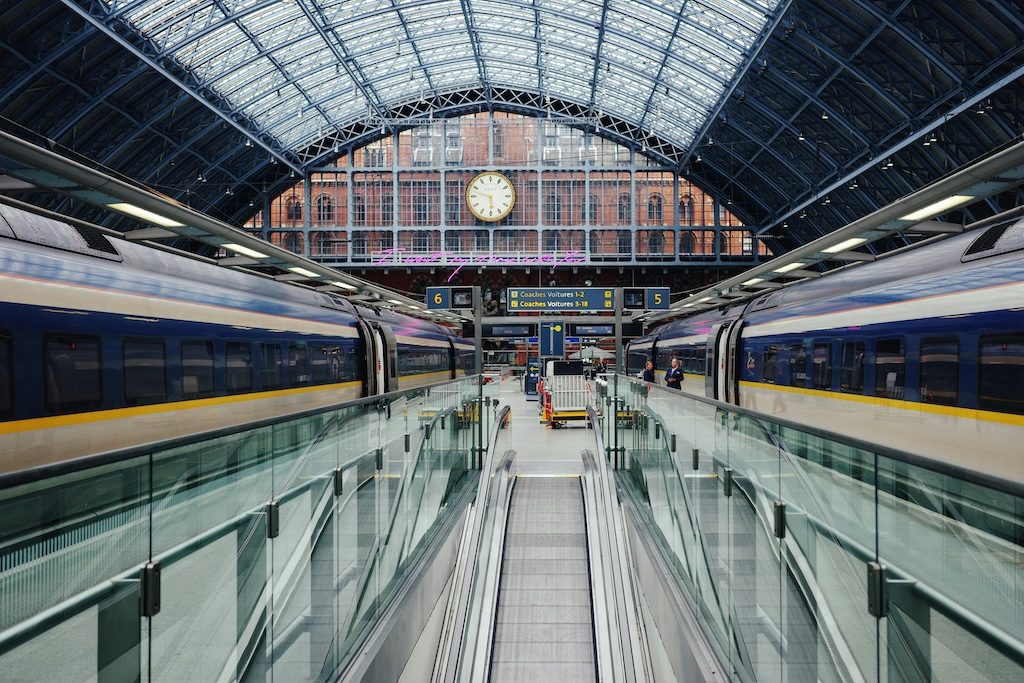
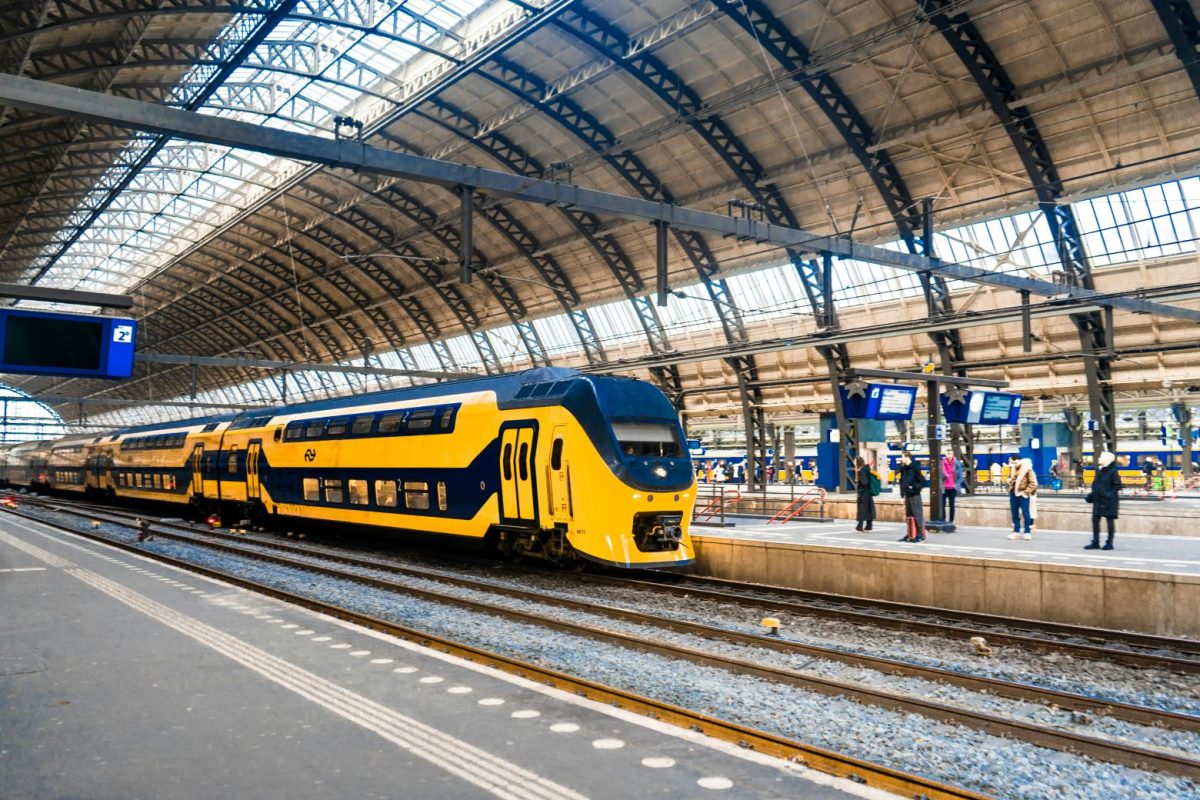
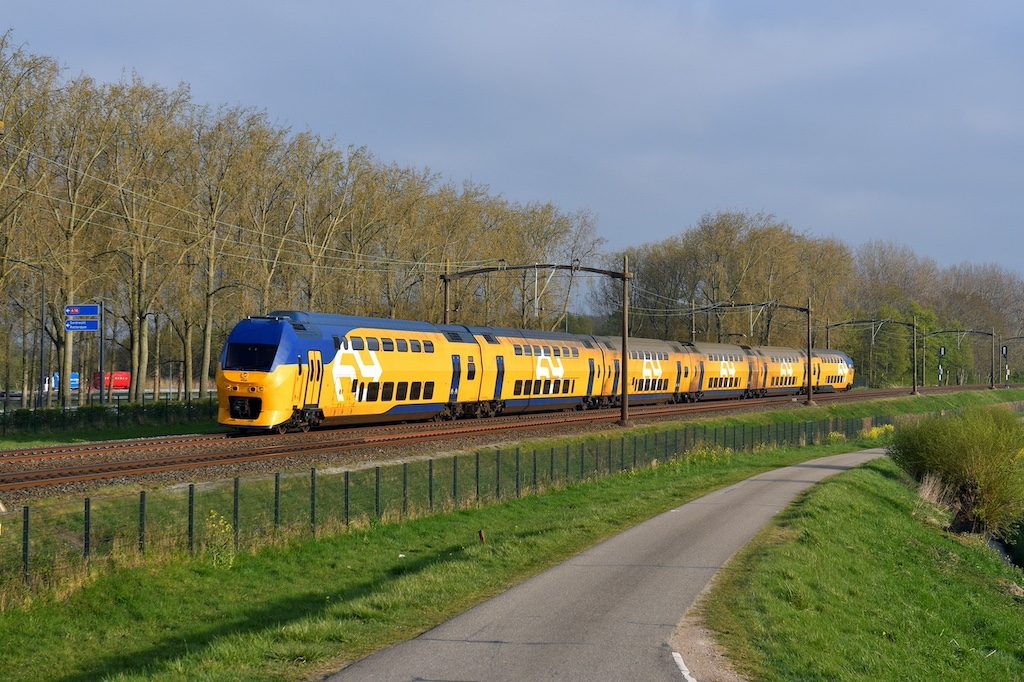
Just after 5:30 in the morning, ProRail, the national rail infrastructure operator, started finding strange objects along the tracks. Pipes, deliberately placed, were discovered in at least 20 different locations. The result was immediate and chaotic. Trains across the central Netherlands, including routes through Amersfoort, Deventer, and Zwolle, were stopped or severely delayed. One train actually hit an obstacle, though it stayed on the rails and no one was hurt. Level crossings also malfunctioned in several places, adding to the morning mess.
ProRail's interim CEO, Mirjam van Velthuizen, didn't mince words. She said the incident showed "just how dependent the Netherlands is on a well-functioning railway network." For anyone stranded or forced to change plans, she acknowledged, "this has a major impact." That's an understatement for the thousands of commuters and travelers who found themselves stuck at stations with no clear answers.
The timing was no accident. This was Prinsjesdag, the day the government presents its budget for the coming year. Farmers, already furious over proposed environmental policies targeting nitrogen pollution and nature reserves, appeared to be sending a message. The Farmers Defence Force, a protest group, denied official involvement but admitted that individual members might have acted on their own. Spokesperson Sieta van Keimpema painted a dramatic picture: "We feel like the country is on fire. Farmers feel as though their businesses are on fire because of the government's plans."
Later in the day, the chaos spread to the roads. Sections of motorway had to be closed after fires were lit alongside them, using hay bales and car tires. The smoke and flames caused severe delays for drivers, turning what should have been a straightforward commute into a test of patience. Police recovered items from the scenes for forensic analysis, and an investigation is ongoing.
This isn't the first time Dutch political protests have spilled into the travel network. In 2025, a NATO summit in The Hague was disrupted by sabotage that included train fires near Schiphol Airport. That incident, like this one, left travelers scrambling and raised questions about the vulnerability of critical infrastructure.
For travelers planning to visit the Netherlands, this is a reminder that even the most reliable train systems can be thrown into disarray. If you're heading to Amsterdam or beyond, it's always wise to check the latest travel updates before you set out. And if you're looking for alternatives, consider that Amsterdam to Paris trains are coming faster than you think, with a twist, which might offer a smoother ride if the Dutch network is having a bad day.
Despite the disruption, the Prinsjesdag ceremony went ahead as planned in the afternoon. The king delivered his speech, the budget was laid out, and the political machine moved forward. But the day's events left a lingering question: how far will farmers go to make their voices heard? And what does that mean for the millions of people who rely on the country's trains and roads every day?
For now, the advice is simple. If you're traveling in the Netherlands, stay flexible. Check ProRail's live updates, allow extra time, and have a backup plan. The country's infrastructure is usually a marvel of efficiency, but as this week showed, it's not immune to disruption. And if you're looking for a silver lining, the Dutch rail network has been making headlines for better reasons too, like Dutch trains just got ridiculously cheap for summer 2026, so there's still plenty to look forward to.