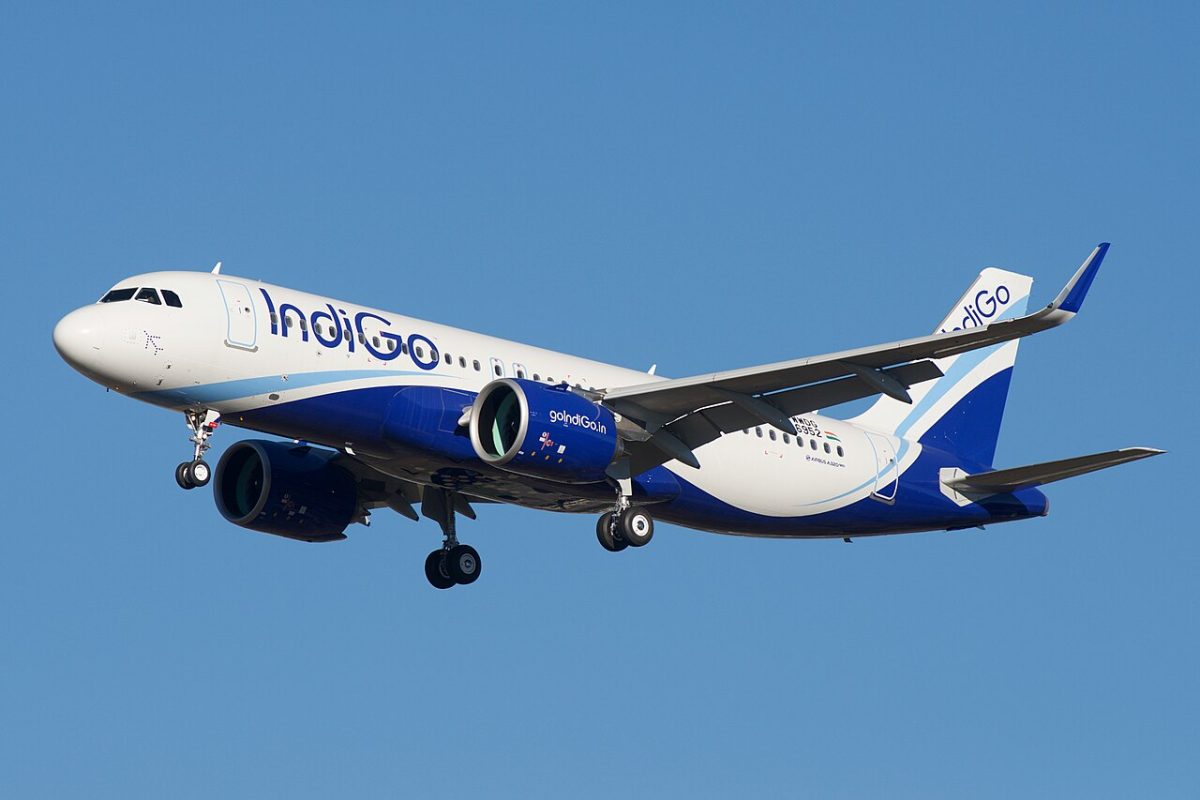
Flying at 35,000 feet, the last thing anyone expects is smoke curling from the overhead bin. But that's exactly what happened on an IndiGo flight from Delhi to Chennai on Sunday, October 11, 2026. A passenger's power bank exploded mid-flight, sending travelers into a panic and forcing the crew to act fast.
The flight, IndiGo 6E6115, took off from Delhi at 1:30 pm aboard an Airbus A321-251N. About 90 minutes into the journey, with the plane cruising at 35,000 feet, a fire broke out in the overhead luggage compartment. Video shared online shows passengers scrambling to douse the flames as the cabin filled with tension. The pilots quickly descended to 3,700 feet and diverted to Rajiv Gandhi International Airport in Hyderabad, touching down at 3:30 pm.
IndiGo confirmed the diversion in a statement, saying smoke was detected from a customer's personal electronic device. The cabin crew responded promptly, and the situation was brought under control. No passengers or crew were injured. An alternate aircraft was arranged to carry everyone to Chennai, and the airline offered refreshments and updates to those affected.
Why Power Banks Are a Problem on Planes
This isn't an isolated scare. Power banks rely on lithium-ion batteries, which can overheat or catch fire if damaged, defective, or improperly handled. The risk is real enough that aviation authorities worldwide have tightened rules around their use. The FAA, TSA, and IATA all require portable electronic devices to be carried in hand luggage, not checked bags. Some airlines go further, banning the charging of power banks during a flight altogether.
For travelers, the takeaway is simple: keep your power bank in your carry-on and don't charge it mid-flight. Rules vary by airline, so it's worth checking before you fly. Virgin Australia, for instance, allows up to two battery-powered devices per person, with a maximum of 160Wh total. Power banks between 100Wh and 160Wh need prior approval. Emirates requires passengers to keep power banks close and prohibits their use onboard. China has banned uncertified power banks from domestic flights entirely.
What This Means for Your Next Trip
Incidents like this are rare, but they're a reminder that air travel comes with its own set of rules. If you're flying soon, especially on a budget carrier, take a moment to review your airline's battery policy. It could save you from a mid-air scare or a confiscated device at security.
And while you're at it, consider the bigger picture. Flight disruptions can happen for all sorts of reasons, from ground crew strikes to airport walkouts. Knowing your rights and having a backup plan can make all the difference.
For now, the IndiGo incident is a cautionary tale. Check your power bank for damage before you fly, and if it's swollen, cracked, or leaking, leave it at home. The sky is no place for a battery that's ready to blow.
Travelers who want to stay ahead of the curve might also look at how airlines are adapting to new challenges, from smarter air traffic systems to expanded routes. But for now, the simplest advice is also the most important: respect the rules about batteries in the air. Your fellow passengers will thank you.