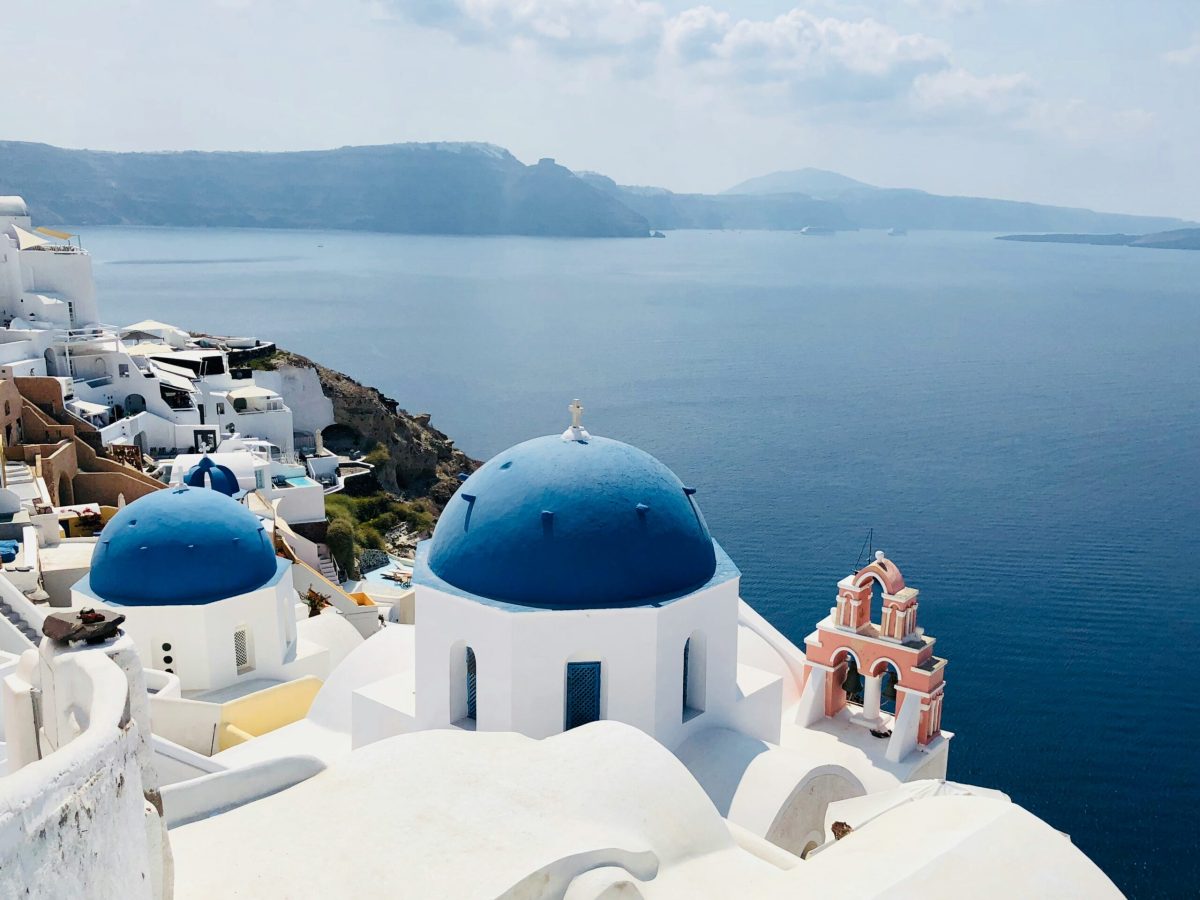
Summer in Europe used to mean one thing, baking on a Mediterranean beach. But the script is flipping. With record heat, drought, and wildfire warnings becoming the norm in the south, a growing number of travelers are pointing their compasses north. The so called coolcation is no longer a niche idea. It is a full blown movement.
New data from the United Nations University Institute for Water, Environment and Health, along with local tourism boards, shows the trend accelerating into 2026. Between April and June, visitor numbers across Northern Europe jumped 10% year on year, according to the European Travel Commission. And it is not just tourists from sun starved countries. A survey by travel app Polarsteps found that 35% of British travelers chose cooler destinations in 2026, a striking shift for a nation famous for chasing the sun.
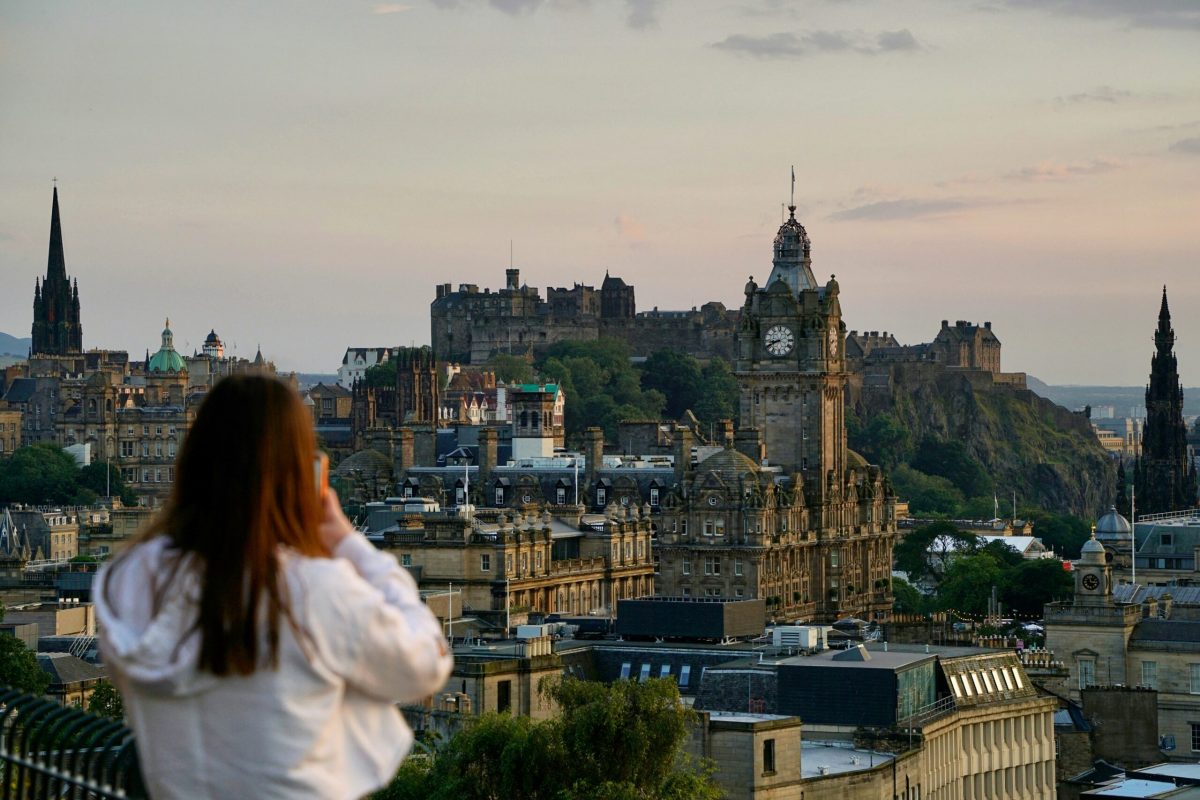
The seven countries leading this charge are Denmark, Finland, Iceland, Ireland, Norway, Sweden, and the UK, with Scotland as the standout. VisitScotland chief executive Vicki Miller notes "strong demand from Europe including Spain and Italy, which is potentially the climate impact." Flight bookings to Scottish airports rose 15% in the six weeks to mid-July compared with the same period in 2025, while London, stuck in a humid heatwave, saw bookings fall. Travelers are booking late, reacting to real time weather rather than trusting long range forecasts.
Scotland's Coolcation Boom Comes With Growing Pains
Edinburgh Festival sales are up 30%, and the buzz is real. But not everything is rosy. Marc Crothall of the Scottish Tourism Alliance points out that spending is down, partly because visitors are swapping hotels for campervans. That shift means less money flowing into local businesses, even as foot traffic climbs. The Polarsteps data shows a clear preference for flexible, self driven trips, which can spread visitors out but also strain small communities.
The pressure is tangible. In 2025, 32% of Highland and 48% of Orkney residents felt tourism placed too much pressure on their area, according to the UN Institute. That is a warning sign for a destination that has not traditionally dealt with mass tourism on this scale. Local services, housing, and natural habitats are all feeling the squeeze.
To address this, Edinburgh has introduced a 5% tourist tax on the first five nights of any stay, a move that took effect in 2026. Norway has followed suit, allowing municipalities to charge up to 3% on tourist accommodation. The idea is to channel the money back into local amenities, but it is a delicate balance. Too high a tax could scare off the very visitors these economies now depend on.
What This Means for Travelers
For now, the coolcation trend shows no signs of slowing. But it is worth watching how these taxes evolve. If they become widespread, they could dampen demand in some cooler markets. Meanwhile, traditional hotspots like Spain are still booming, so the picture is not simple. The World Meteorological Organization predicts with near certainty that El Niño will bring peak weather impacts across late 2026 and early 2027, which could push even more travelers north.
If you are planning a summer escape, Scotland offers a compelling mix of dramatic landscapes, rich culture, and now, a chance to avoid the heat. But go with eyes open. Book early to secure accommodation, consider visiting less crowded areas like the Borders or Fife, and be prepared for the new tourist tax. The coolcation is here to stay, but its future depends on getting the balance right between welcoming visitors and protecting the places they come to see.
For more on how Europe's travel boom is reshaping destinations, check out Europe's Travel Boom Is Outpacing Its Economy, and Malta Is Leading the Charge. And if you are thinking about rail travel to reach these cooler spots, Europe's High-Speed Rail Dream Just Got a Big Political Push might change your plans. For a different kind of escape, Europe's Spas Want to Be Your Prescription for a Longer Life offers a wellness angle, while Sixteen Cities Just Made the Cut for Europe's New Tourism Crown highlights emerging destinations.