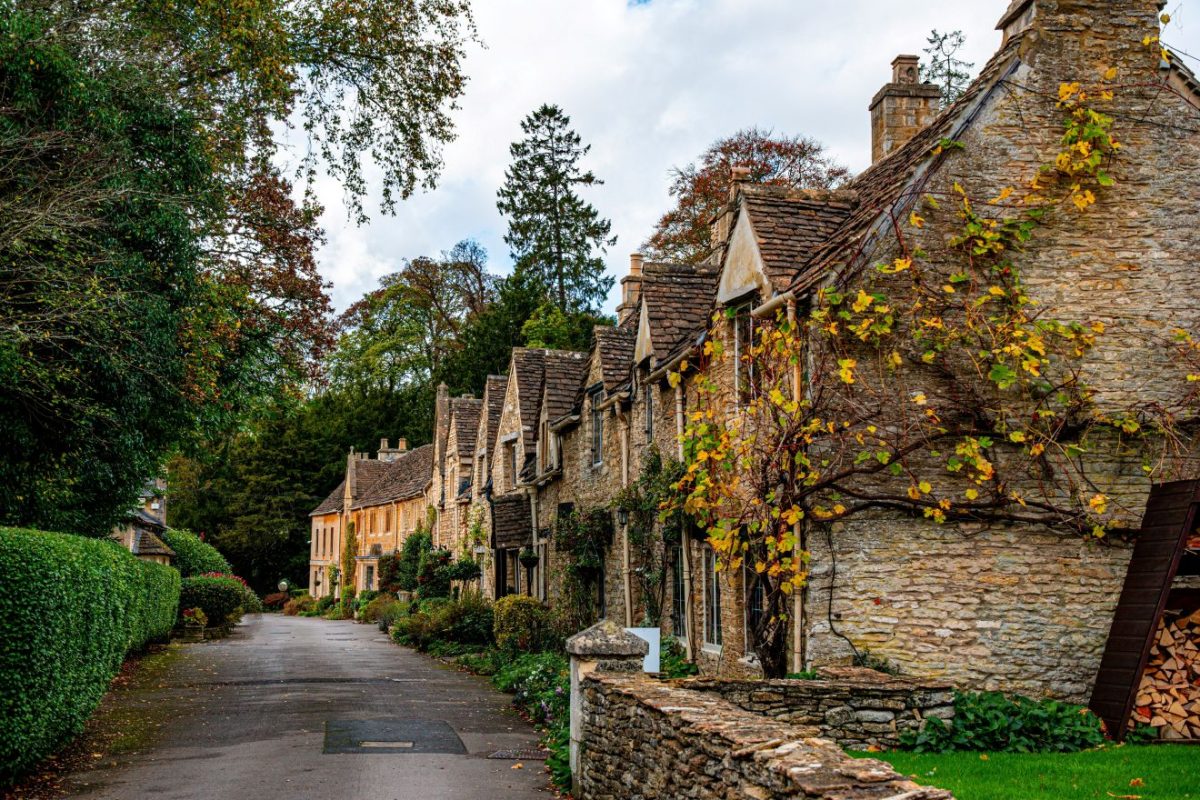
There's a moment in every Cotswolds road trip when the satnav sends you down a lane so narrow you hold your breath. In Burford, that moment has become a daily hazard on Priory Lane, a winding street lined with centuries-old stone walls, double-parked cars, and the town's primary school. Now, after years of close calls and minor accidents, the local council is stepping in with a rule that could reshape how tour operators approach this picture-perfect corner of Oxfordshire.
Starting 16 October 2026, any coach longer than 12 metres will be banned from Priory Lane unless it holds a special permit. The restriction follows a formal recommendation to the county council after a string of incidents that left residents and school staff on edge. The lane is also home to the primary school, and the sight of a massive coach squeezing past children at drop-off time has been a growing worry for parents and officials alike.
Andrew Foster, deputy mayor of Burford Town Council, didn't mince words when explaining the decision. He pointed to safety concerns for pupils and the repeated damage to the posts that separate the footpath from the road. In a pointed remark aimed at those who opposed the move, he called for prioritising the safety of primary school children over the convenience of tour operators and their clients. It's a stance that's winning applause from locals, even as some in the travel industry grumble about access being restricted.
A Pattern Across the Cotswolds
Burford isn't alone in feeling the squeeze of overtourism. Just a few miles away, Bibury, once called the most beautiful village in England by William Morris, has been pleading with visitors to arrive in smaller vehicles. The village can see up to 20,000 people a day in peak season, a flood that overwhelms its narrow roads and tests the patience of its 600 residents. Former parish council chair Craig Chapman described the pressure as intolerable and unacceptable, a sentiment that echoes in Bourton-on-the-Water, sometimes dubbed the Venice of the Cotswolds.
Bourton has already banned coaches from its high street, and now it's working with district and county councils to tackle litter and wear-and-tear from what some call excessive tourist numbers. At peak times, the village can see 75 visitors for every resident, a ratio that makes sustainable tourism feel like an impossible equation. The new restrictions in Burford are part of a broader conversation about how these historic towns can survive their own popularity.
Harold Goodwin, founder of the International Centre for Responsible Tourism, suggests that limiting vehicle access and parking further out may be among the few effective ways to ease the pressure. But he also acknowledges the tension: such measures can look like attempts to keep the public out of places that belong to everyone, and enforcement is expensive. For now, Burford is betting that a clear rule, with permits for those who truly need access, strikes the right balance.
What This Means for Your Visit
If you're planning to explore the Cotswolds by coach, the new rule means your driver will need to plan ahead. Coaches over 12 metres will need a permit to use Priory Lane, and without one, they'll have to find alternative routes or drop-off points. The town is also formalising School Keep Clear markings, so parking in front of the school between 8 am and 5 pm on weekdays will be off-limits. For independent travellers, nothing changes, but it's a reminder that the Cotswolds' charm comes with real logistical challenges.
This isn't just a local story. Across Europe, popular destinations are grappling with how to manage tourism without losing what makes them special. From heatwaves reshaping travel patterns to new escapes emerging in cooler climes, the way we travel is shifting. Burford's coach ban is a small but telling example of how communities are taking control of their own streets.
For now, the town is watching to see how the rules play out. Will tour operators adapt, or will they simply skip Burford for easier stops? The answer will shape not just Priory Lane, but the future of tourism in one of England's most beloved regions. If you're heading there, go with respect for the people who call it home, and maybe leave the big coach behind.