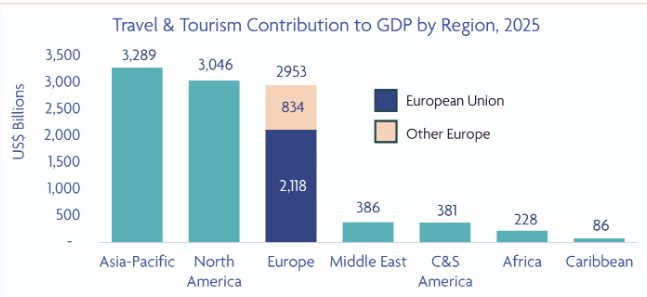
The global tourism sector just hit a milestone that sounds great until you really think about it. In 2025, travel and tourism pumped $11.6 trillion into the global economy, representing nearly 9.8% of all economic output worldwide. But here's the catch: the industry has moved past the recovery phase and smacked into something harder. It's not bouncing back anymore. Now it's trying to manage itself before it collapses under its own weight.
After consulting with more than 200 CEOs and industry leaders across the sector, the World Travel and Tourism Council rolled out eight strategic priorities designed to keep tourism thriving without destroying the places and people that make it possible. The problems are real and varied: airports drowning in queues, cities turning on tourists like Barcelona and Amsterdam, labor shortages that make it hard to staff hotels and restaurants, climate change threatening destinations, and the headache of getting travelers through borders faster without sacrificing security.
The Eight Pillars of Tomorrow's Travel
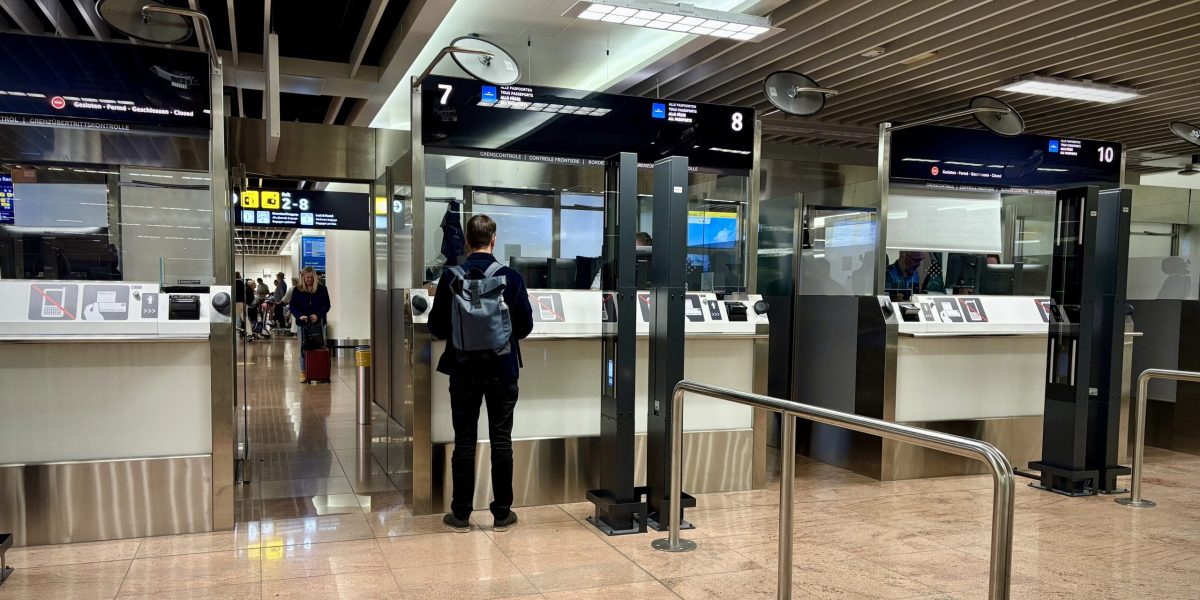
First up is digital standards and biometrics for smoother border crossings. Right now, fragmented systems are already a mess. When the EU rolled out its new Entry Exit System, airports faced such crushing delays that Wizz Air told British passengers to show up three hours early for flights from Lisbon. That's not a system working smoothly.
The second priority tackles destination stewardship head-on. Overcrowding and unmanaged tourism have created real friction between visitors and locals, sparking backlash in major cities. The third focuses on climate and environmental sustainability, a concern that grows more urgent each year.
Then comes the tech angle. The WTTC wants to harness artificial intelligence and robotics to boost efficiency across the sector. That raises an obvious question: what happens to the 330 million people working in travel when machines start replacing them? The plan also covers crisis preparedness, expanding global connectivity, workforce development, and policies that attract investment. It's comprehensive, though whether governments actually commit to these goals is another story entirely.
From Strategy to Action
What separates a good plan from one that actually works is follow-through. The WTTC is backing these priorities with research, data analysis, policy advocacy, and partnerships aimed at turning vision into measurable results. The organization is also working with more than 4,000 small and medium-sized enterprises through its Together in Travel Initiative, broadening the agenda beyond big hotel chains and airlines.
Gloria Guevara, the council's president and CEO, framed these priorities as a collective statement about what the sector needs to unlock growth and resilience. The membership spans airports, airlines, hotels, cruises, tech companies, and destinations themselves, so the breadth of input is genuine.
Why This Moment Matters
Tourism isn't just a nice way to spend a vacation anymore. It's a pillar of the global economy, and for many countries, it's the lifeblood of their economies. But growth without management breeds resentment, environmental damage, and burnout among workers. Some destinations are already hitting walls as they struggle to balance visitor numbers with livability.
The real test comes now. These eight priorities are a blueprint, but they only matter if governments turn them into policy, if businesses invest in the right infrastructure, and if travelers themselves become more thoughtful about where they go and how they behave when they get there. The global tourism machine is powerful and growing. The question is whether it can grow responsibly.