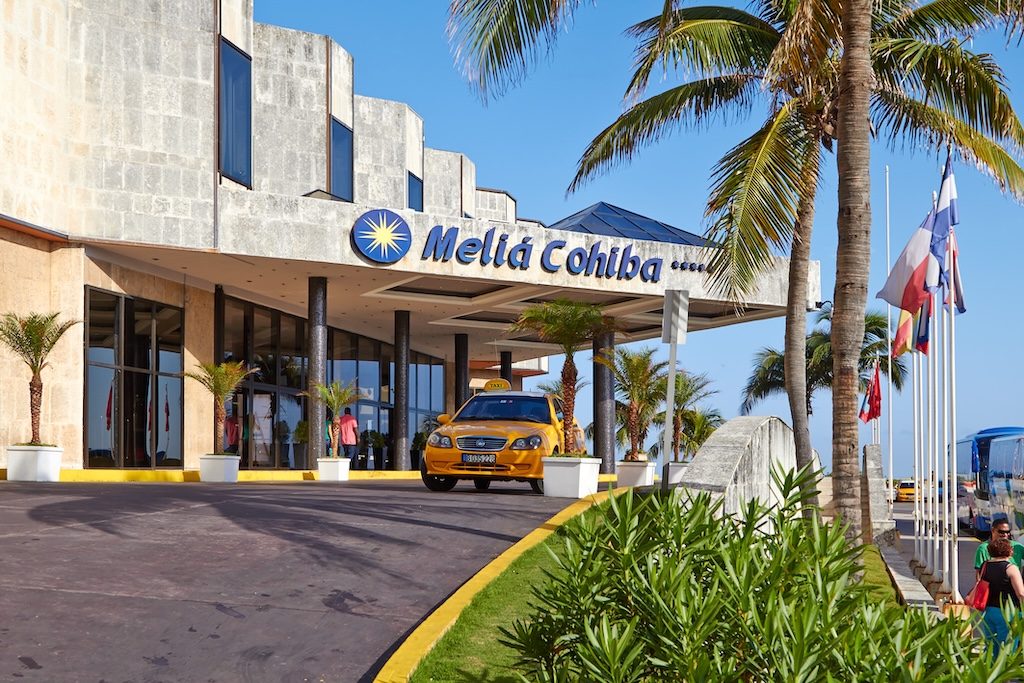
Spain's Meliá hotel group has quietly exited Cuba, walking away from management contracts for 15 properties. The company framed it as a response to mounting legal and economic risks, but the real story is darker: the Caribbean island's tourism sector is crumbling, and foreign operators are running for the exits.
Meliá's pullout marks the latest in a cascade of withdrawals. Iberostar suspended operations at 12 Cuban hotels as of June 1. Canada's Blue Diamond shut down all 62 of its properties on the island. Even the airlines are bailing out. Iberia suspended its Madrid-Havana route, Air Canada temporarily grounded flights, and Air France and Turkish Airlines did the same, each citing fuel and logistical chaos. Air Canada ended up running special repatriation flights for 3,000 stranded passengers.
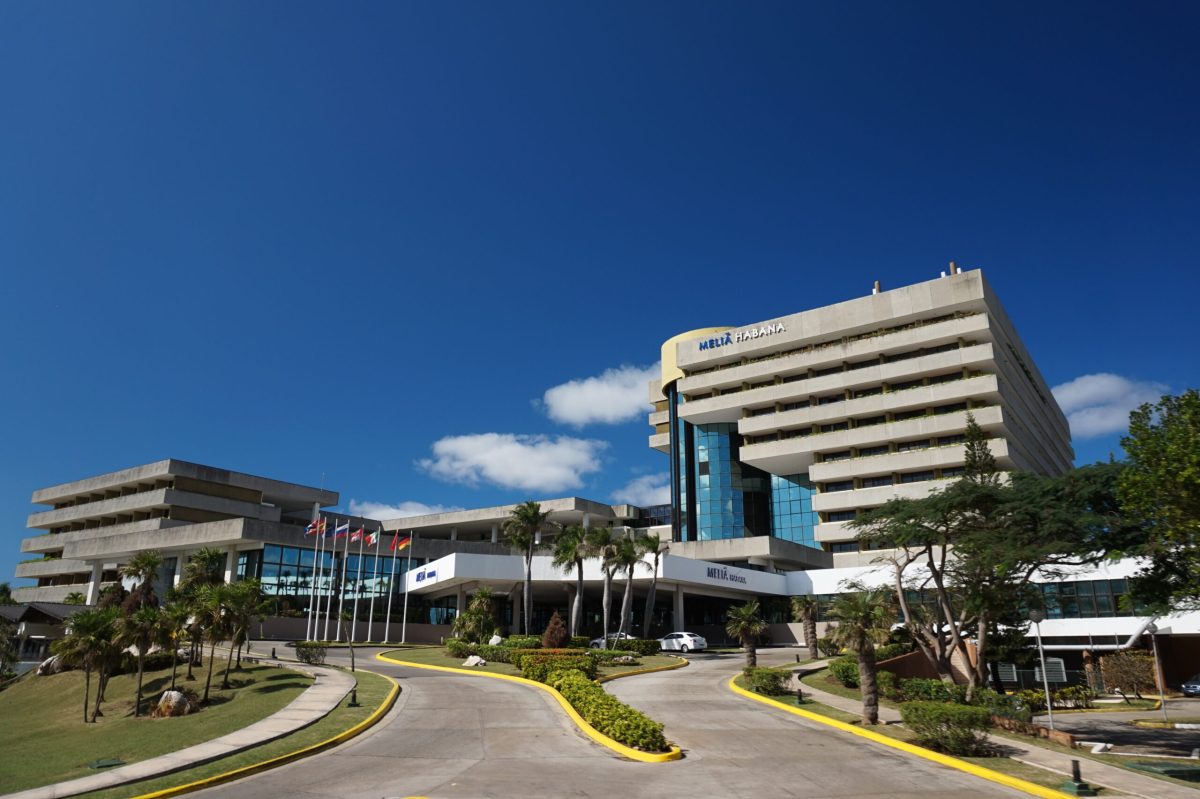
The timing is no accident. New U.S. sanctions targeting Cuba's military-controlled economy (a sprawling conglomerate called GAESA) set a June 5 deadline for foreign companies to sever ties with businesses linked to the regime. Hotels connected to GAESA's tourism arm became radioactive overnight. Foreign hospitality groups faced a choice: stay and risk American legal consequences, or leave. Most chose to leave.
The Numbers Tell a Devastating Story
Cuba welcomed just 328,608 international tourists in the first four months of 2024, a 55.8% nosedive compared to the same period a year earlier. April alone saw only 30,551 arrivals. Last year was worse: 1.8 million visitors for the entire year, the lowest count since 2002 (outside the pandemic).
The collapse isn't just about sanctions. Cuba is grinding to a halt. Power blackouts are routine. Fuel shortages cripple transport. Hospitals and hotels struggle. The economy has contracted sharply, and there's little sign of recovery. When a destination can't keep the lights on, tourists don't book tickets.
A Perfect Storm
What's happening in Cuba echoes struggles elsewhere in the travel world. Middle East conflict has stalled tourism across the region, forcing destinations to scramble for alternatives. Even major sporting events aren't guaranteeing tourism booms anymore. Destinations that relied on a single revenue stream or lacked economic resilience are learning hard lessons.
For Cuba, the problem runs deeper. The island depended on foreign investment to sustain its tourism infrastructure. Those partners are gone now. The hotels they operated are mostly dark. The jobs they created have evaporated. Havana and the beach resorts that once teemed with visitors feel increasingly ghostly.
What Happens Next
Meliá and the others say they're committed to an orderly transition and keeping stakeholders informed. Translation: they're trying to minimize their losses and avoid liability. The Cuban government will likely take back the properties or hand them to state-run operators, but without Western expertise, marketing reach, or hard currency reserves, those operations will struggle.
For travelers, Cuba presents a puzzle. The island's culture, music, beaches, and history remain extraordinary. But getting there is harder. Flying in now means navigating reduced airline schedules. Hotels may be crowded or underdeveloped. Power cuts could interrupt your stay. It's not impossible to visit, but it demands patience and flexibility.
The bigger picture: Cuba is becoming a cautionary tale about what happens when a destination loses connectivity to the outside world and its economy fractures. Tourism isn't just about nice hotels and white sand. It requires functioning infrastructure, political stability, and accessible routes. Cuba lost those things. That's why the world's biggest hoteliers are packing up and going home.