Amsterdam has a problem, and it's not subtle about it anymore. The Dutch capital is drowning in visitors. After years of trying gentler approaches, the city's new government has decided to make tourism considerably more expensive and less convenient. The message is clear: tourists are still welcome, but the free ride is over.
Starting in 2027, overnight visitors will face a tourist tax of 16% on their accommodation costs. From there, the rate climbs by one percentage point each year, hitting 20% by 2030. If that sounds steep, consider that Amsterdam already charges one of Europe's highest visitor taxes at 12%. By the end of the decade, staying in Amsterdam will cost significantly more than most other European capitals. The city argues that travelers should pay their fair share toward the infrastructure and public services their presence demands.
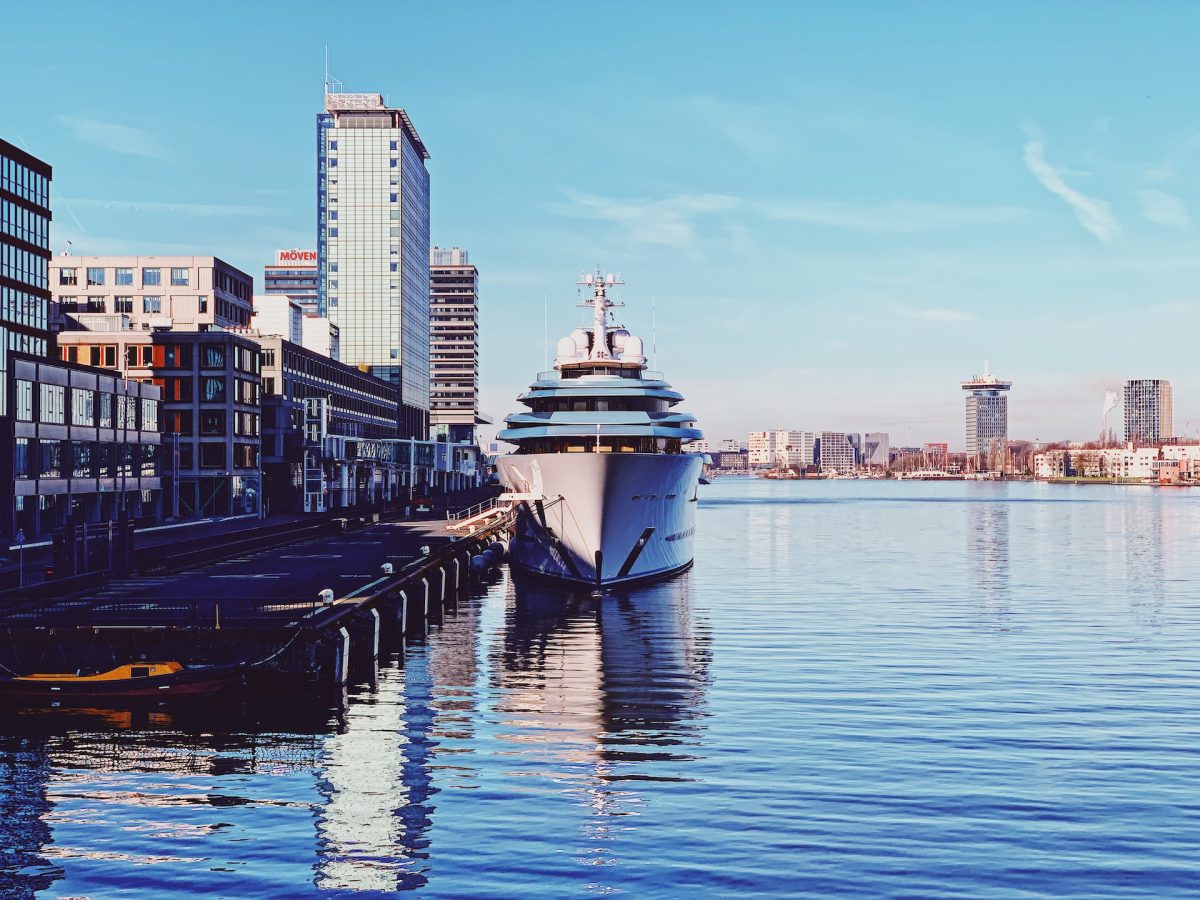
But the tax increase is just one piece of a much larger puzzle. More striking is Amsterdam's plan to shut down its cruise terminal entirely. No more massive ships pulling into the city center. No more thousands of day-trippers flooding the narrow streets of the Red Light District. This is one of the boldest anti-cruise moves any major European city has attempted. The closure reflects a growing consensus among residents and policymakers that cruise tourism creates outsized chaos while generating relatively modest economic returns compared to overnight guests who actually spend money in local restaurants, museums, and shops.
The root of Amsterdam's crisis is simple math that refuses to cooperate. The city set a cap of 20 million overnight stays annually back in 2021, making it one of the first European destinations to formally limit tourism. It sounded good in theory. It has not worked. In 2024, Amsterdam recorded 22.9 million overnight stays, a 3% jump from the previous year. Forecasts for 2025 suggest the number could reach 23 to 26 million. Years of hotel freezes, stricter short-term rental rules, and even a controversial "Stay Away" campaign aimed at discouraging rowdy visitors have barely made a dent in the visitor surge.
The frustration among residents has boiled over. A grassroots movement called Amsterdam Heeft een Keuze (Amsterdam Has a Choice), representing twelve residents' organizations, recently launched legal action accusing the city of failing to enforce its own tourism cap. They're right. The cap exists on paper but nowhere else. This new package of measures represents the city's attempt to respond to that pressure with actual teeth.
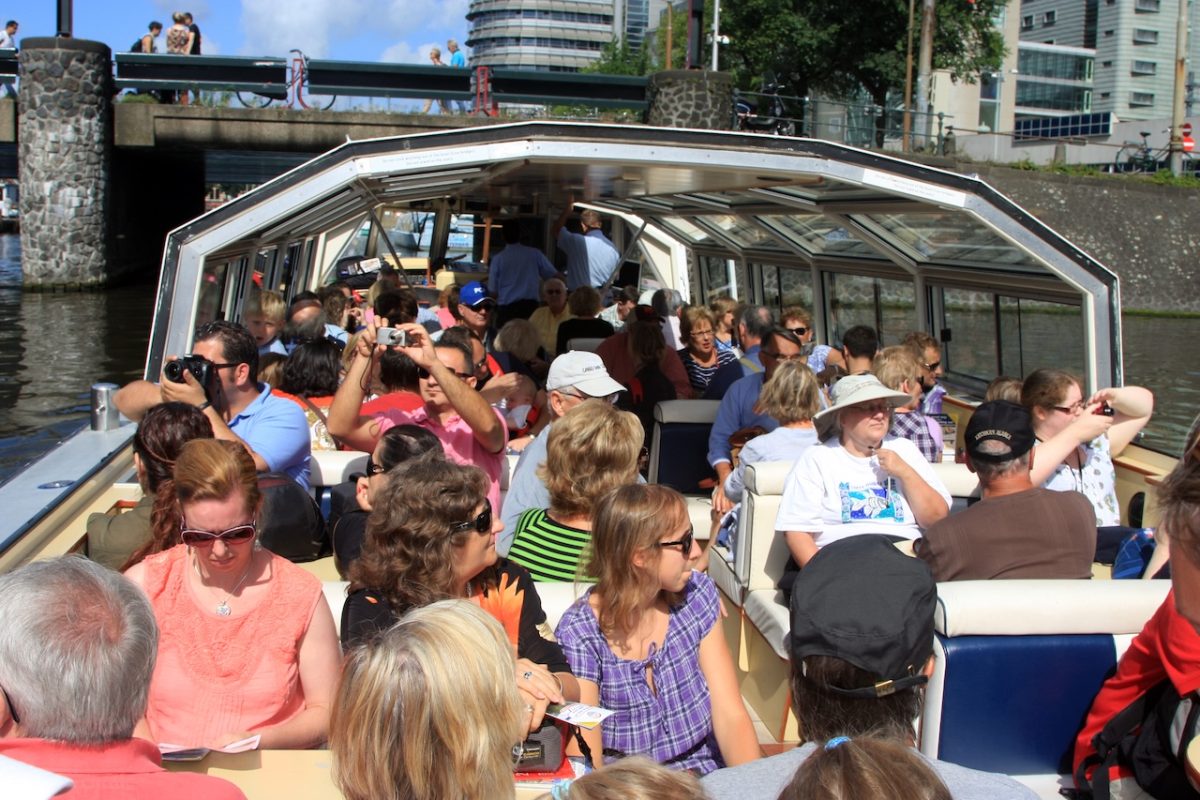
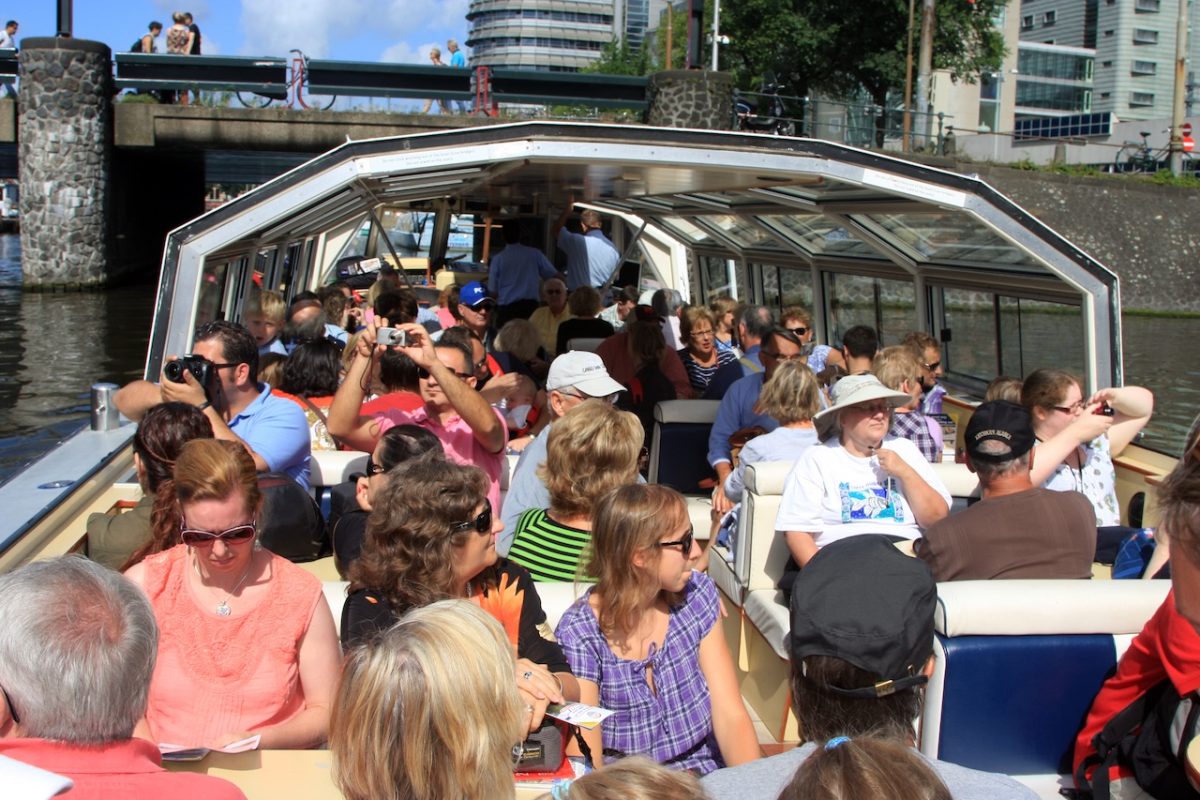
Beyond the tax hikes and cruise closures, Amsterdam plans to reshape its city center by purchasing buildings and buying out businesses to diversify away from pure tourism dependency. The municipal government is also considering increasing the levy on canal boat operators, tour boats, and canoe rental companies. Every water-based visitor experience would cost more. At the same time, the city is reducing its tourism marketing budget, scaling back funding for the famous "I amsterdam" brand that helped put the city on the map for millions of travelers. It's a deliberate strategy: make tourism less financially attractive for the city to promote and more expensive for visitors to pursue.
One major proposal was abandoned: plans for a large Erotic Centre in Amsterdam Zuid have been scrapped. The previous administration hoped this facility would ease pressure on the Red Light District by dispersing visitors, but residents and sex workers protested fiercely. The current government says it will focus on smaller interventions instead, though specifics remain unclear. Amsterdam has been experimenting with bold urban policies in recent years, and this represents another chapter in that story.
What does all this mean for the traveler planning a trip to the Dutch capital? Expect to pay substantially more in the coming years. A modest hotel room that costs 100 euros today could easily add another 20 euros in tourist tax by 2030. The experience of the city itself may begin to shift, too. With fewer cruise ships and higher prices, the most chaotic periods might become less overwhelming. The Red Light District and main attractions could feel slightly less suffocating during peak season. Whether that makes Amsterdam a better destination depends entirely on who you ask. Residents will likely say yes. The travel industry will probably say no.
This is what happens when a destination finally decides that preserving its own livability matters more than maximizing visitor numbers. Amsterdam is betting that it can sustain a tourism industry that actually works for the people who live there. Whether the plan succeeds won't be clear for years, but the direction of travel is unmistakable. Amsterdam isn't trying to hide anymore. It's simply saying: you're welcome to visit, but it's going to cost you.