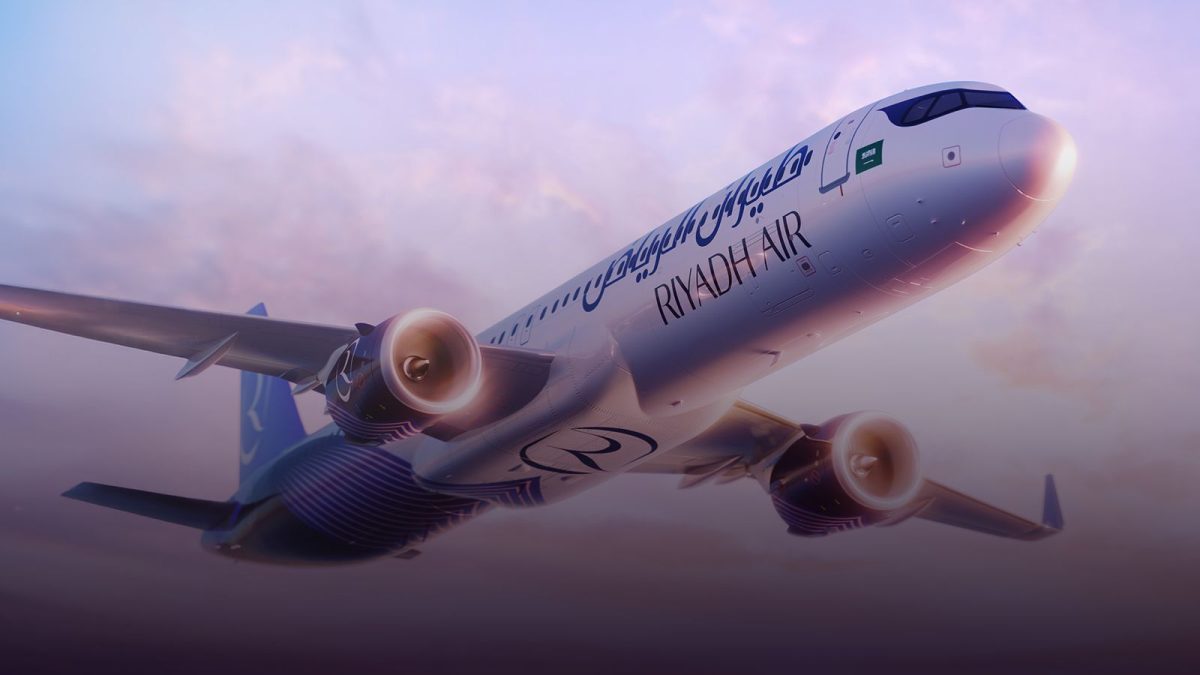
Riyadh Air didn't wait for the scheduled date. The kingdom's brand-new flag carrier delivered its first paying passengers to London Heathrow ahead of plan, fresh off receiving its gleaming Boeing 787-9 Dreamliner. This wasn't just another airline debut. It was a statement of intent.
Behind this launch sits serious money and serious ambition. Saudi Arabia's Public Investment Fund backed Riyadh Air's creation in 2023, making it a cornerstone of Vision 2030, a sweeping economic diversification effort aimed at reducing the nation's reliance on oil. The plan targets tourism, logistics, technology, and air connectivity as growth engines. What that means on the ground: the Saudi capital wants to become the Middle East's premier aviation hub, challenging the long-established dominance of Dubai and Doha.
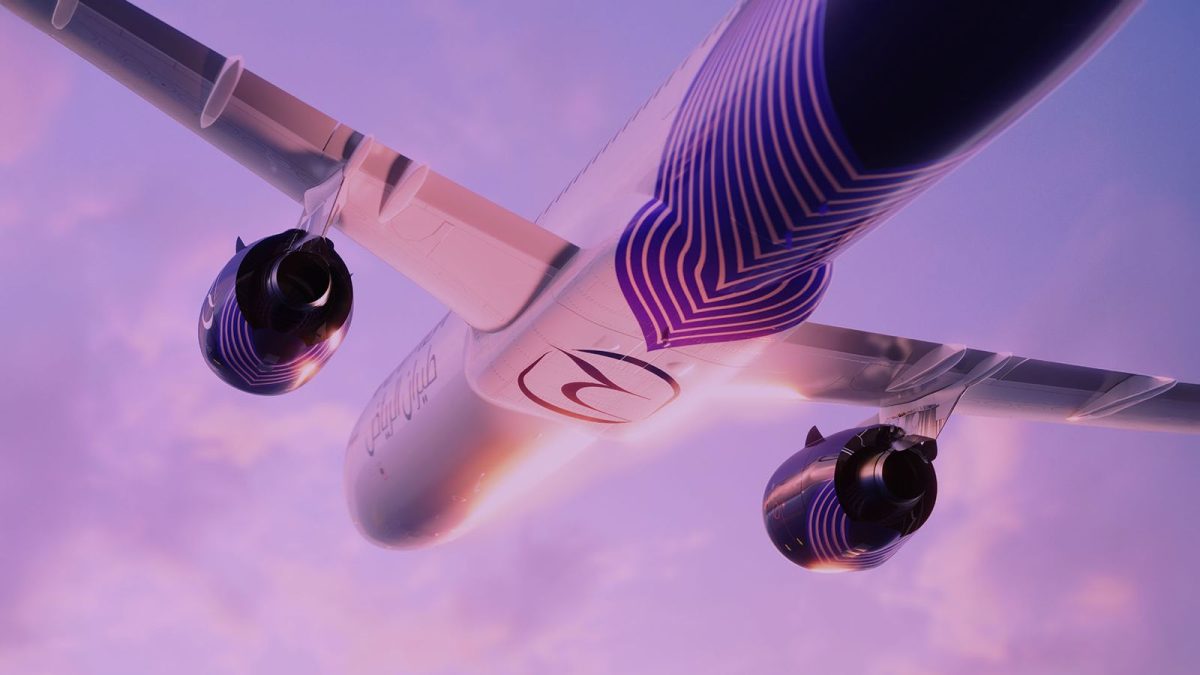
The timing reveals sharp strategy. Regional conflict has forced airlines to reroute around the Middle East, disrupting routes and driving fuel costs skyward. Yet Riyadh remained operational throughout recent escalations. Riyadh Air's leadership seized on this, positioning the capital as a dependable gateway when other routes faltered. CEO Tony Douglas told Reuters some travelers now view Riyadh as a safe entry and exit point for Asia, Africa, and Europe bound journeys.
From Concept to Chaos
Douglas described Riyadh Air as "the biggest global aviation start-up in modern history," and the numbers back the swagger. The airline took delivery of its first aircraft on June 5, its third on June 7, and launched service days later. The speed is remarkable for an operation that had been testing the London route with leased aircraft since October. Daily London flights are already bookable. Manchester launches on July 23 with three weekly departures. Routes already connect Riyadh to Jeddah, Cairo, Dubai, and Madrid, with expansion accelerating fast.
The growth plan is staggering. By end of 2026, the airline aims to serve over 20 destinations. By 2030, that number jumps to 100. The fleet will expand beyond the initial Boeing 787 order (72 aircraft on contract) to include Airbus A321neos and A350s, eventually totaling more than 180 planes. The economic impact projections are equally ambitious: roughly $20 billion contributed to Saudi economy and more than 200,000 direct and indirect jobs created.
When Reuters asked Douglas about launching during regional turbulence, he quipped, "I'm glad I haven't got a fleet of 200 aircraft now, because that is a slightly different challenge." It's a telling comment from someone who previously led Etihad Airways from 2018 to 2022. Managing rapid growth amid uncertainty is harder than managing stability. Douglas knows this intimately.
The Cabin Experience Gamble
Riyadh Air isn't competing on price alone. The airline invested heavily in cabin design, betting that modern travelers, especially younger ones, care about experience. The custom Boeing 787 cabins offer four classes: Business Elite with fully flat beds and personalized comfort, regular Business, Premium Economy with extra space and privacy, and Economy. All passengers get Panasonic Avionics' Astrova system, delivering Bluetooth connectivity, films, television series, music, and entertainment across every seat.
This focus on amenities reflects Douglas's reading of the market. The kingdom's population skews young and digitally native. Riyadh Air's design team built the cabins with this demographic in mind, avoiding the cookie-cutter approach of legacy carriers. Whether it's enough to lure travelers away from Dubai's and Doha's established networks remains to be seen, but the airline isn't betting on price wars to win.
Saudi Arabia's Red Sea is attracting new resort developments, and improved air connectivity via Riyadh makes regional tourism far more accessible. Combined with the trend toward regional travel over ultra-long hauls, Riyadh Air enters a market ready for disruption. The airline is banking on travelers choosing a newer, more modern flying experience with solid service over the familiar friction of legacy carriers.
The race for Middle Eastern aviation dominance just got competitive again. Riyadh Air's early London launch, backed by national wealth and a clean fleet of modern aircraft, signals that the region's aviation hierarchy isn't written in stone anymore. For travelers, that usually means better routes, fresher cabins, and carriers hungry enough to actually listen to what passengers want. Watch this space closely.


