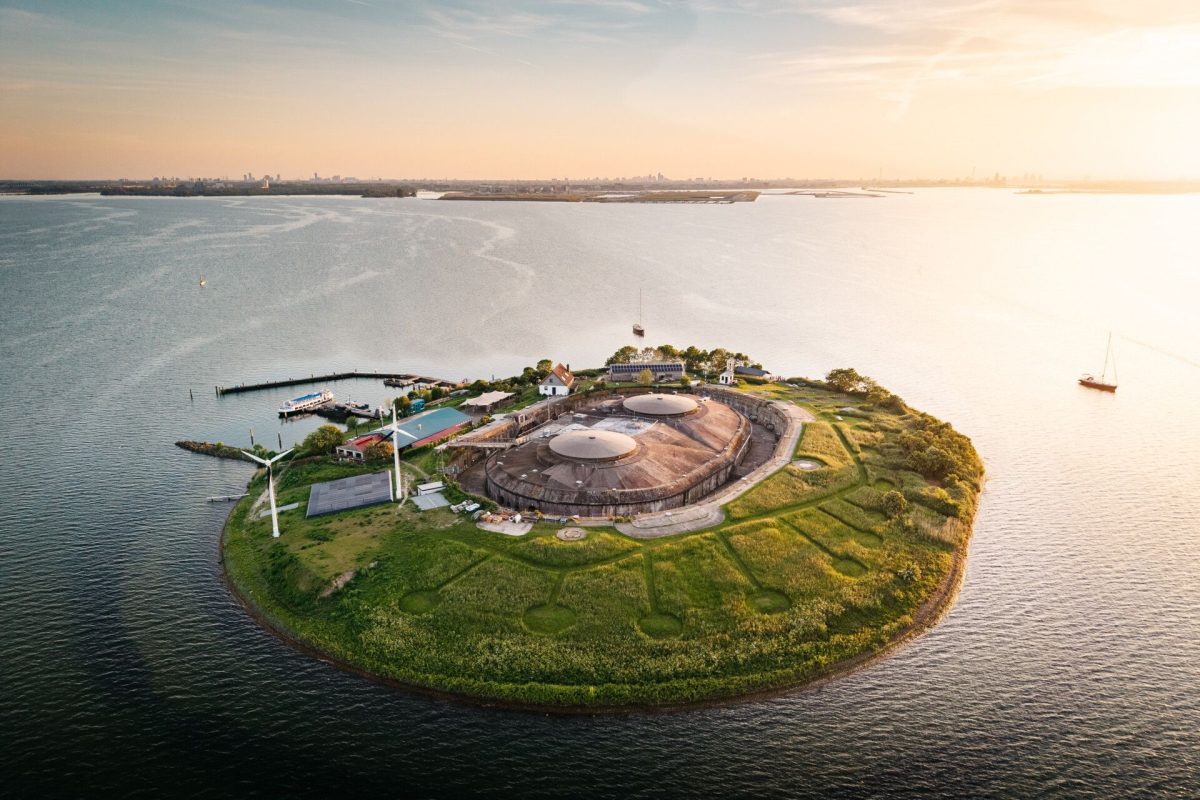
Just a short boat ride from Amsterdam, a 19th-century sea fort is rewriting what it means to be a museum. Pampus, a UNESCO-listed island in the IJmeer lake, has been shortlisted for the 2026 VriendenLoterij Museum Prize, an award that this year celebrates "the green museum." The winner takes home €100,000, and the public gets to decide who that is.
The fort was built to defend the Dutch coast, and its garrison had to survive for long stretches without help from the mainland. That history of self-reliance has become the island's future. Today, Pampus runs without fossil fuels, generates its own renewable energy, and purifies water from the lake for use on the island. It even grows some of the vegetables and herbs served in its kitchen. The public vote runs from 5 to 27 November, with the winner announced on 2 December.
"This combination of heritage and practical solutions for the future makes Pampus a rather special place," said spokesperson Anouschka Zanolla. "Our selection is a wonderful recognition of everything our team has been working towards." The island's efforts have not gone unnoticed, and the shortlisting puts it in the running for a prize that could fund its next big idea.
If Pampus wins, the money would go toward creating interactive installations around the island, exploring energy, water, food, and materials. Visitors could learn how to harness wind power, discover which tiny creatures help a vegetable garden thrive, or try preserving summer's harvest for winter. "Through hands-on activities, tasting and experimenting, visitors would discover how inventive and enjoyable a more self-sufficient way of living can be," Zanolla said.
The island's history provides the starting point. "How can you harness the wind's energy? Which tiny creatures help a vegetable garden thrive? And how can you preserve summer's harvest to enjoy in winter?" Zanolla asked. The goal is to show that ideas from the past can inspire practical solutions for the future. It's a message that resonates beyond the island's shores, especially for travelers who care about the gap between green intentions and green actions.
Pampus hopes visitors leave with more than just memories of an unusual island. The ambition is to spark fresh curiosity about the water from their taps, the electricity in their sockets, and the food on their plates. "Perhaps they will even think: 'I could try that at home,'" Zanolla said. "The message is an optimistic one: a more sustainable future offers opportunities for creativity, discovery and enjoyment."
For those who want to see it for themselves, the adventure begins with the boat ride. The island is part of the Dutch Water Defence Lines, a UNESCO World Heritage site, and its military past is still visible in the brick walls and cannons. But the new installations, if the prize money comes through, would add a layer of hands-on learning to that history. The winning museum receives €100,000 to bring its project to life.
Pampus is not the only museum thinking green. Across Europe, institutions are finding creative ways to reduce their environmental footprint, from rethinking how visitors arrive to hosting events that celebrate local culture. But Pampus stands out for its commitment to self-sufficiency, a trait that was once a matter of survival and is now a model for the future.
"If so much is possible on one small island, imagine what could happen beyond its shores," Zanolla told Travel Tomorrow. That optimism is exactly what the jury seemed to recognize. For travelers, it's a chance to see a museum that doesn't just display history but lives it, and to consider what a more sustainable world might look like. Voting is open to the public, and details are available on the Pampus website.