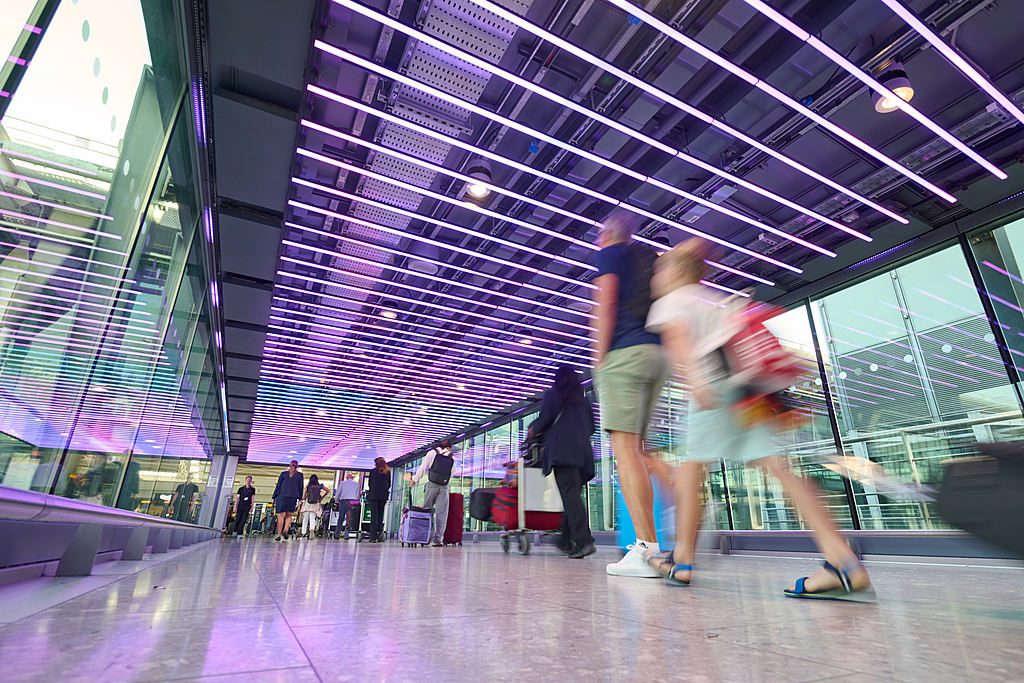
Spring 2026 was a banner season for UK aviation. Between April and June, British airports processed 81.2 million passengers, eclipsing the previous record by more than 120,000 travelers. The Civil Aviation Authority released the figures, and they tell a story of resilience, shifting priorities, and a travel appetite that refuses to be dampened by global headwinds.
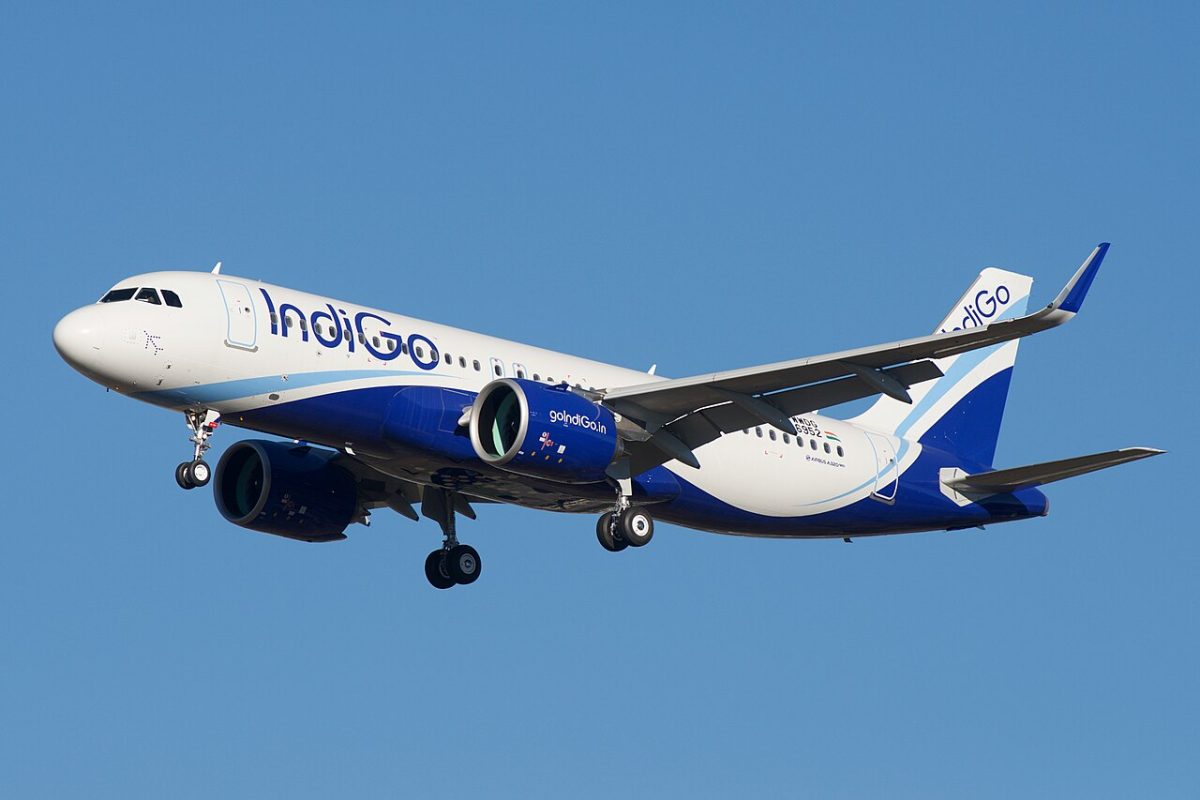
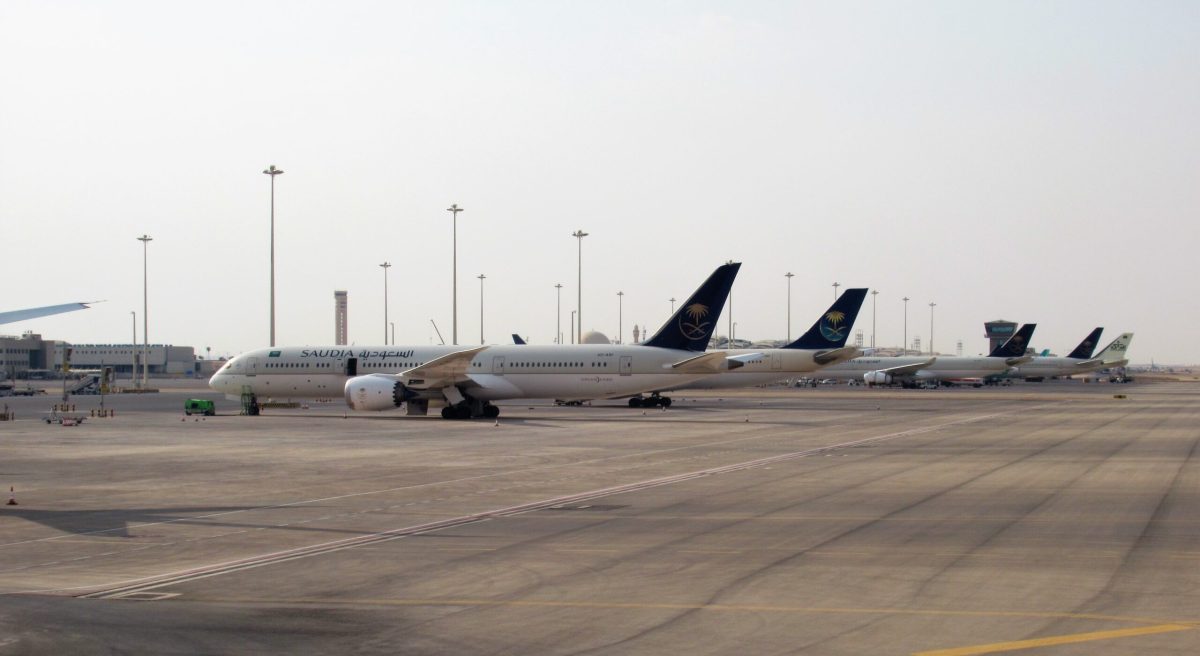
What makes this surge particularly striking is that it happened while the Middle East was experiencing serious disruption. The UK Foreign Office had advised against non-essential travel to the region through mid-June, and passenger flows to Dubai dropped roughly 50 percent compared with 2025. Yet somehow, the overall market kept climbing. Budget airlines, particularly Ryanair and Jet2, each notched 9 percent year-on-year growth. EasyJet, Ryanair, and Jet2 combined carried 2.25 million more passengers than they did in the same quarter a year earlier.
The real story is where travelers went instead. Short-haul European routes exploded. Over one million extra passengers headed west to Western Europe, with Dublin, Palma de Mallorca, Amsterdam, Alicante, and Malaga becoming the five most sought-after destinations. Madrid saw passenger numbers jump 15 percent. Barcelona climbed 11 percent. When geopolitical tension closes one door, apparently travelers simply book the next flight elsewhere.
Asia also showed unexpected strength. Pakistan recorded a stunning 307 percent increase in passenger numbers, while China and India both posted solid gains at 11 and 5 percent respectively. These figures suggest that travelers are becoming more sophisticated about hedging their bets, adjusting plans on the fly in response to real-time global events rather than abandoning travel altogether.
Regional airports are finally getting their moment
The growth wasn't confined to Heathrow and Gatwick. Secondary airports capitalized on the surge. Cardiff saw its passenger numbers jump 16 percent year-on-year, while Newcastle and Inverness each recorded 8 percent increases. This distribution matters. It eases pressure on London's overloaded hubs and spreads tourism spending across more of the country. Europe's travelers keep coming despite chaos, and they're pickier than ever, and this year they're also more dispersed.
Aviation Minister Keir Mather highlighted how the government supported the sector during the disruption. Airlines were given flexibility to lock in flight schedules early, which kept last-minute cancellations to under 1 percent between May and July. Small policy tweaks mattered. When you're running an airport system serving 81 million people in a single quarter, stability matters more than you'd expect.
Ross Lydall, spokesperson for the Civil Aviation Authority, framed the results as evidence of the sector's deeper resilience. "Demand for flying remains high, as passengers adjust their travel plans around global events," he said. That adjustment is the real takeaway here. The conflict in the Middle East that erupted in early March sparked real concerns about airspace restrictions, fuel supplies, and regional stability. Those concerns were legitimate. But British travelers didn't stop flying. They just flew elsewhere.
What this means for the rest of the year
These Q2 figures have already set expectations high. The CAA indicated the sector is on track for another record-breaking year. If summer and autumn maintain this momentum, 2026 could eclipse 2025 by a significant margin. For budget carriers like Ryanair, which continues to fill seats at lower fares, the outlook is particularly bright.
The lesson for travelers planning trips: flexibility pays. When one region faces disruption, others benefit from the overflow demand. European destinations that might have been second-choice picks suddenly become viable alternatives as flights fill up and fares hold steady. The winners in 2026 are passengers willing to pivot and airlines nimble enough to meet demand where it shifts.