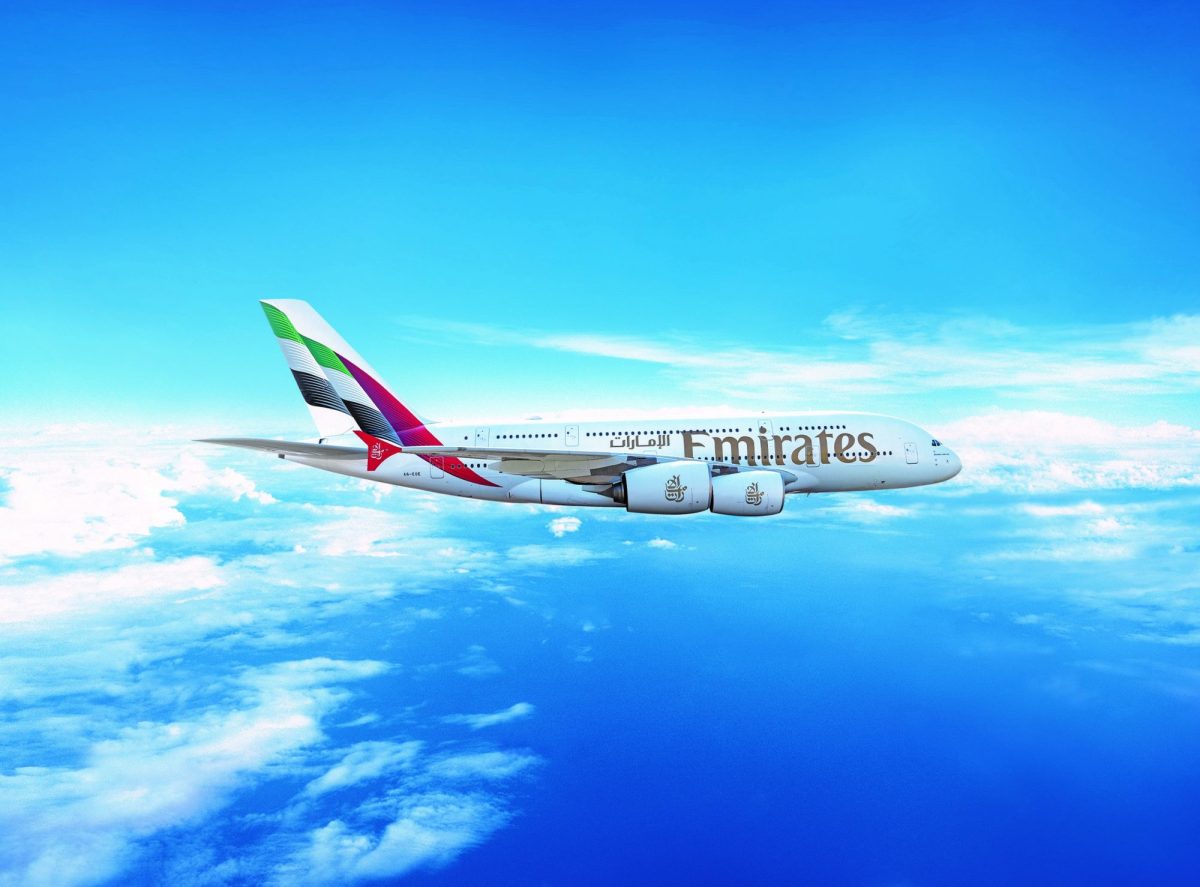
When geopolitical pressure hits the travel world, airlines typically reach for one weapon: cheaper tickets. Emirates is taking the opposite approach. President Tim Clark recently revealed that the carrier won't be slashing fares to rebuild confidence among spooked travelers, despite the mounting challenges posed by regional tensions affecting the Middle East.
The reason is brutally simple: fuel costs don't cooperate. With jet fuel hovering around $90 a barrel, Emirates can't afford to discount aggressively without destroying its margins. Instead, Clark and his team are doubling down on what matters most to nervous fliers: reliability, safety, and the absolute guarantee that you won't be left stranded.
The Real Promise Emirates Is Making
What sets this strategy apart isn't what passengers will pay, but what they'll actually receive. "We'll take care of all of that, including flying them on other carriers if necessary to bring them home or get the kids into school," Clark told Reuters. For a parent worried about school disruptions or anyone concerned about canceled flights, this isn't a minor detail. It's peace of mind wrapped in a commitment.
Emirates remains committed to maintaining its full flight schedule despite rising operational costs, a bold stance that signals confidence in the region's recovery. The airline has already restored 96 percent of its global network as of May 2026, carrying 4.7 million passengers across 137 destinations even as tensions simmered.
The Regulatory Maze Getting Tighter
The European Union Aviation Safety Agency has been applying conflict-zone warnings across parts of the Gulf and Middle East, effectively restricting which airspace carriers can use. This puts Emirates in an impossible squeeze: maintain service while avoiding restricted routes. Clark acknowledges EASA's role in protecting travelers but is actively negotiating with governments and regulators to ease these constraints.
The stakes are enormous. Industry estimates suggest the Middle East conflict could cost the region roughly 23 million international visitors and nearly $34 billion in tourism revenue. For Dubai, which depends heavily on its role as a global aviation hub, every flight that gets rerouted or canceled chips away at the city's competitive advantage.
When Will Things Get Better?
Clark voiced cautious optimism about the approaching summer travel season, though with one crucial caveat: fuel prices need to drop. Once jet fuel falls from $90 to around $70 per barrel, airlines will finally catch their breath. When that happens remains uncertain, making any prediction about schedule expansion risky.
What's clear is that Emirates has demonstrated remarkable resilience during crisis periods, finding ways to maintain operations while competitors pull back. The airline's ability to offer more frequencies, more seats, and more routing options each week since May underscores this commitment to Dubai's status as an indispensable connection point for global travel.
For travelers considering Middle East destinations, the message is mixed but encouraging. Yes, there's uncertainty. Yes, some routes are off-limits. But Emirates isn't just waiting for calm to return. The airline is actively betting that travelers will trust it to deliver, even when conditions remain unpredictable. That's not a discount offer. It's a different kind of promise altogether.