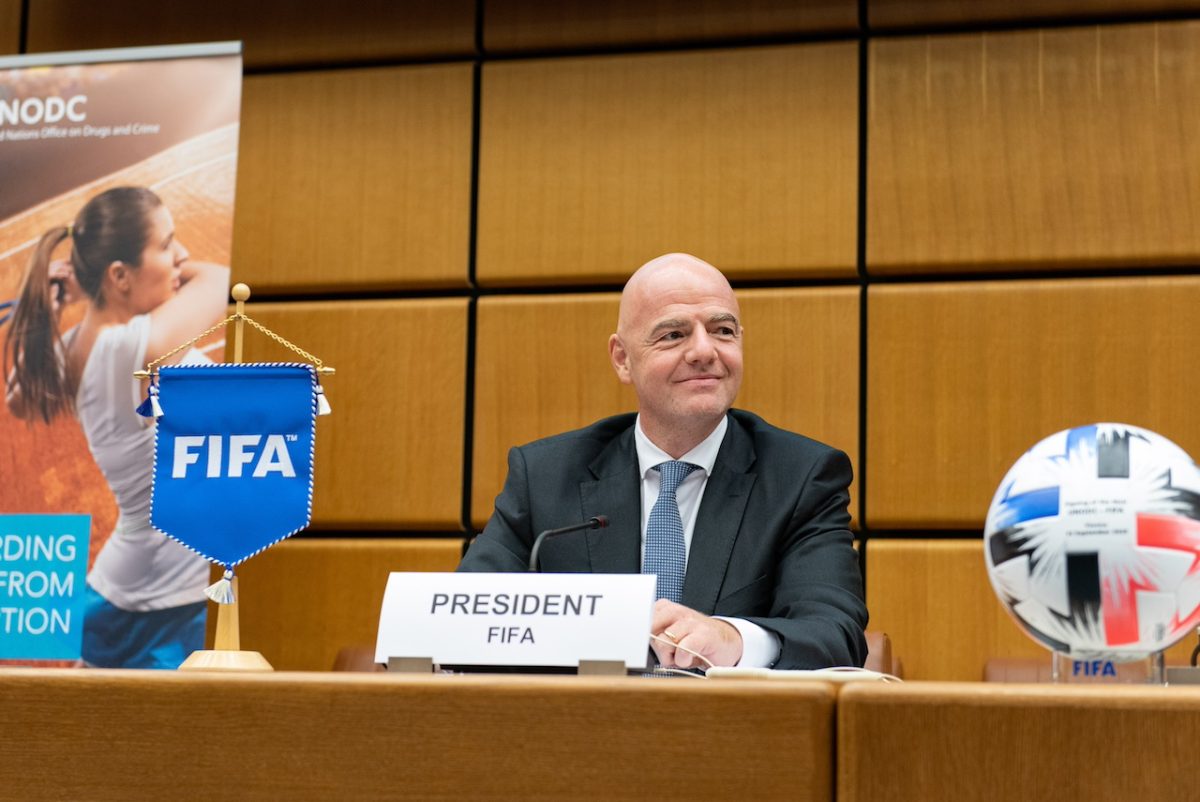
There's a particular irony in watching a global organization preach environmental responsibility while one of its most powerful figures treats the planet like a private runway. That's the contradiction now swirling around FIFA president Gianni Infantino, whose travel during the 2026 World Cup has attracted scrutiny from climate researchers, journalists, and fans questioning where his priorities actually lie.
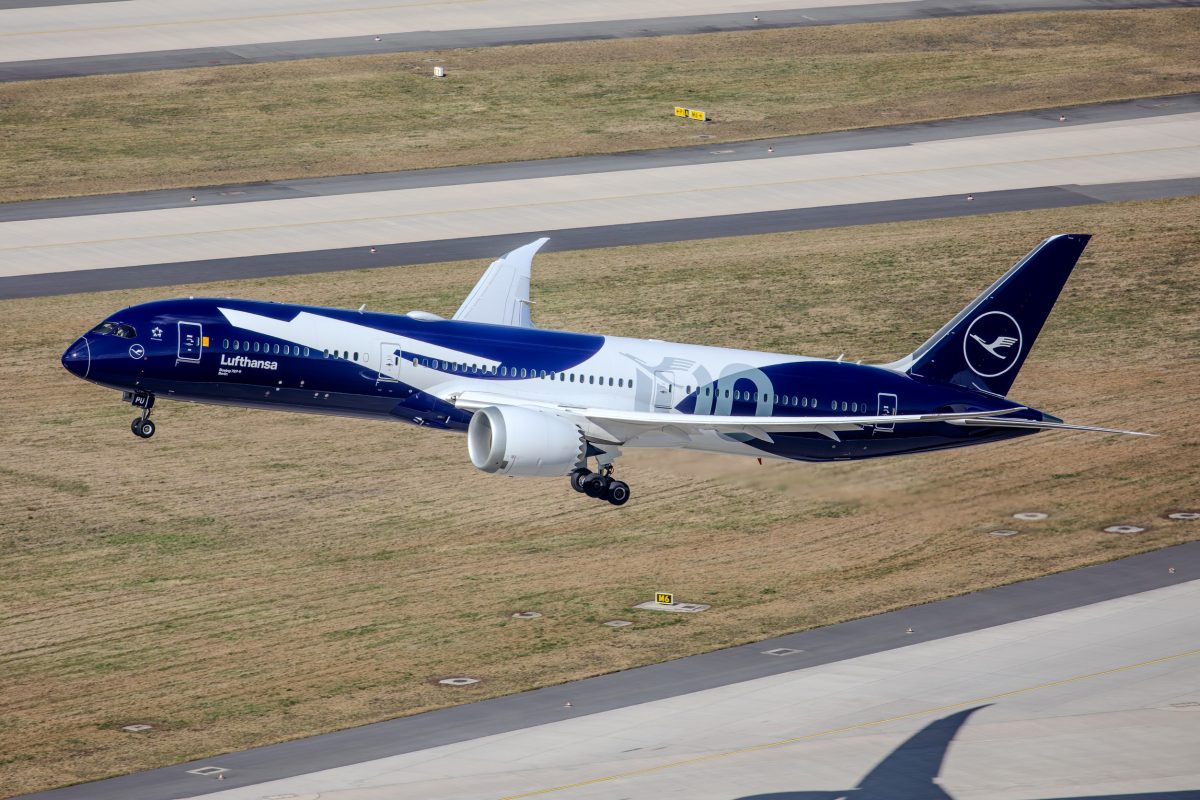
According to BBC Sport and BBC Verify's investigation, Infantino's private jet (a Gulfstream G650ER) has covered at least 50,122 kilometers from the tournament's start through late June alone. Over 66 hours of airtime. To put that in perspective, his carbon emissions during that fortnight generated as much CO2 equivalent as an average person produces in an entire year. Not a decade. One year. And that's just one person's jet, just two weeks of tournament action.
The schedule he's maintained reads like logistics designed by someone who has transcended physics. On June 15 alone, he flew 5,500 kilometers, hopscotching from Miami to Seattle for Belgium versus Egypt, then down to Los Angeles for Iran versus New Zealand. The jet-lag probably barely registered before he was wheels-up again. This isn't occasional travel between major tournaments. This is showing up everywhere, constantly, at any cost.
When Ambition Collides With Climate Promises
FIFA's sustainability strategy for the 2026 World Cup includes some admirable goals on paper. The federation has committed to cutting emissions in half and reaching net-zero before 2040. Infantino himself signed off on this vision, stating in official documents: "Whether we speak about climate, human rights, diseases, or disabilities, we are committed to play our part." Pledges about electric vehicles, public transport utilization, and choosing existing stadiums rather than building new ones all sound impressive in a press release.
Then reality happens. The 2026 tournament sprawls across three countries and dozens of stadiums from Mexico through the United States to Canada. A 2025 report from Scientists for Global Responsibility calculated the entire event's carbon footprint at nine million tonnes of CO2 equivalent. That's double the average of the previous four World Cups, making this the most environmentally damaging tournament in history.
For comparison, consider how efficient rail travel between Malmö and Oslo costs under 15 euros and produces a fraction of aviation's emissions. Infantino's approach represents the opposite philosophy: maximum convenience, maximum visibility, maximum carbon output.
The Math Nobody Wants to Discuss
Let's talk numbers because they're harder to spin than press statements. The Gulfstream G650ER burns roughly 1,817 liters of fuel per hour. During that two-week period tracked by the BBC, the plane emitted an estimated 516 tonnes of CO2 equivalent. A FIFA spokesperson defending these flights noted that up to 19 people could theoretically be aboard the aircraft. The key word is "theoretically." We don't actually know how many passengers rode along for each journey, only that this one plane's impact equaled 78 humans' entire yearly carbon footprint.
Is there a legitimate argument that FIFA's president should attend numerous matches? Sure. Diplomatic duties exist. Meeting dignitaries, supporting participating nations, being visible at major games all fall within reasonable expectations of the role. No one claims Infantino should watch everything from an office in Zurich.
But regularly covering 4,000 kilometers in a single day suggests choices were made. Different priorities were chosen. The continental scale of the tournament was known in advance. Logistical alternatives existed (including innovations in rail comfort that other industries have embraced). When your climate commitments contradict your daily actions, people notice.
More Trouble Than Just Emissions
The carbon footprint story arrived alongside other controversies that paint a portrait of a leader increasingly disconnected from accountability. Infantino faces accusations of caving to pressure from President Donald Trump regarding US player Flo Balogun's red card. The ban should have kept Balogun out of Belgium's next match. After Trump's intervention, it vanished. Belgium won that crucial game anyway, making the whole episode feel especially cynical.
Between the emissions contradictions and the political maneuvering, growing numbers of fans and stakeholders worldwide are calling for Infantino's resignation. For now, he remains in charge, jetting between matches with apparent indifference to what his personal choices communicate about global environmental priorities.
The 2026 World Cup will be remembered for many things. Its continental scale created unprecedented complications. Its environmental impact set unfortunate records. And its leadership? It demonstrated that even when organizations make public commitments to sustainability, those promises ring hollow if the people running them treat the planet as optional.