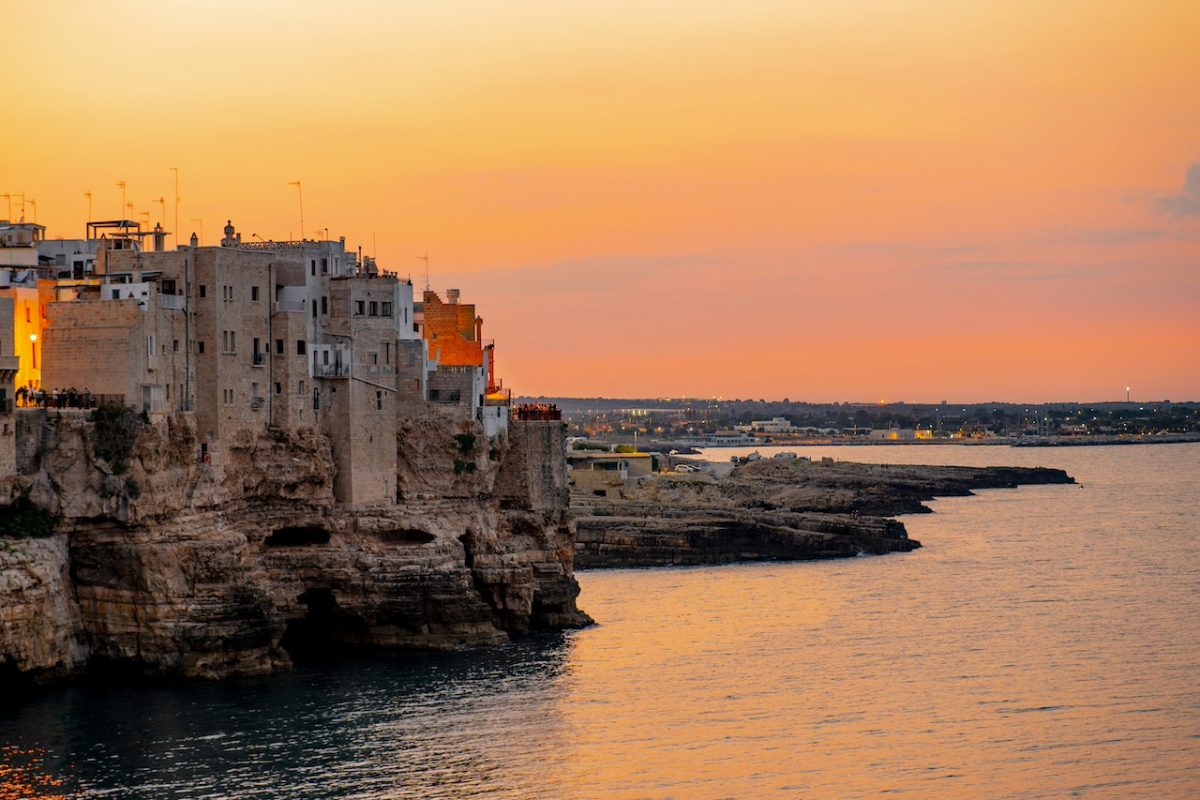
Governor Antonio Decaro of Italy's Puglia region just dropped a proposal that's got beach club owners reaching for their sunscreen and their lawyers. His idea is straightforward enough: let visitors bring their own food and drinks onto private beaches without interference. Sounds reasonable, right? Not everyone thinks so.
The backlash has been swift and angry. Beach club operators, represented by Assoturismo, argue that unrestricted picnicking would trash their carefully curated experience. They point to litter, atmosphere degradation, and the risk of guests lugging full three-course meals onto the sand instead of ordering from their restaurants. Nicola Ragno, an Assoturismo president in Vieste, was blunt about it: people don't just bring a sandwich anymore. They bring starter courses, mains, fruit platters, entire meals. That's a problem when other paying customers want the experience they paid for.
But Decaro isn't backing down. He's framed this as a public rights issue, and he's probably winning the argument on principle. His point cuts deep: the sea belongs to everyone, and access shouldn't hinge on whether you can afford a 15-euro focaccia at a beach bar. It's worth noting that under Italian law, visitors already have the right to bring their own food to these beaches. What's new is Decaro's push to actually enforce that right and stop operators from turning people away at the gate.
When Your Beach Doubles as Your Wallet Squeeze
Consumer advocates and unions have joined Decaro's corner. Massimiliano Dona of the National Consumers Union made a critical distinction: these beaches remain public property, even when managed by private operators. Beach clubs hold concessions, not ownership deeds. That means they can't treat public shoreline like their private club, no matter how nice the umbrellas are. Dona also pointed out something obvious but often ignored: families using their own food budgets on a beach day shouldn't feel like second-class visitors.
The timing of this fight matters enormously. Italy is bracing for another record-breaking summer in 2026, with Puglia pulling in record foreign visitors. Meanwhile, a recent survey found that sunbed and umbrella rentals have jumped 6% year-over-year and nearly 25% over the past five years. When you add restaurant markup to those rental costs, a family day at the beach transforms into a serious expense. Bringing your own panini from the village bakery stops being a quirky choice and becomes a financial necessity for many travelers.
The Real Battle Underneath
What started as a conversation about sandwiches has become something much larger. This isn't just about whether someone should eat focaccia on the sand. It's about who Italy's coastline actually belongs to as tourism dollars keep climbing. It's about whether public beaches can remain accessible when privatization nibbles away at affordability and freedom. And it's about whether the tourism industry can coexist with visitor autonomy, or whether one has to lose for the other to win.
The beach club industry matters enormously to Puglia's economy. These operators employ thousands and generate serious revenue. But so do regular travelers who visit because beaches are supposed to be one of the few places left where you don't need membership status or deep pockets to enjoy the view. Decaro's proposal forces Puglia (and by extension, all of Italy) to choose which principle matters more: protecting business models or protecting democratic access to nature.
For budget-conscious travelers, the stakes are obvious. For beach club owners fighting to preserve their margins in a competitive market, the anxiety is real. The question now is whether Puglia will actually enforce this rule if it passes, or whether it'll become another law that looks good on paper while enforcement stays spotty. Given Italy's history with beach regulations, that's worth watching carefully.