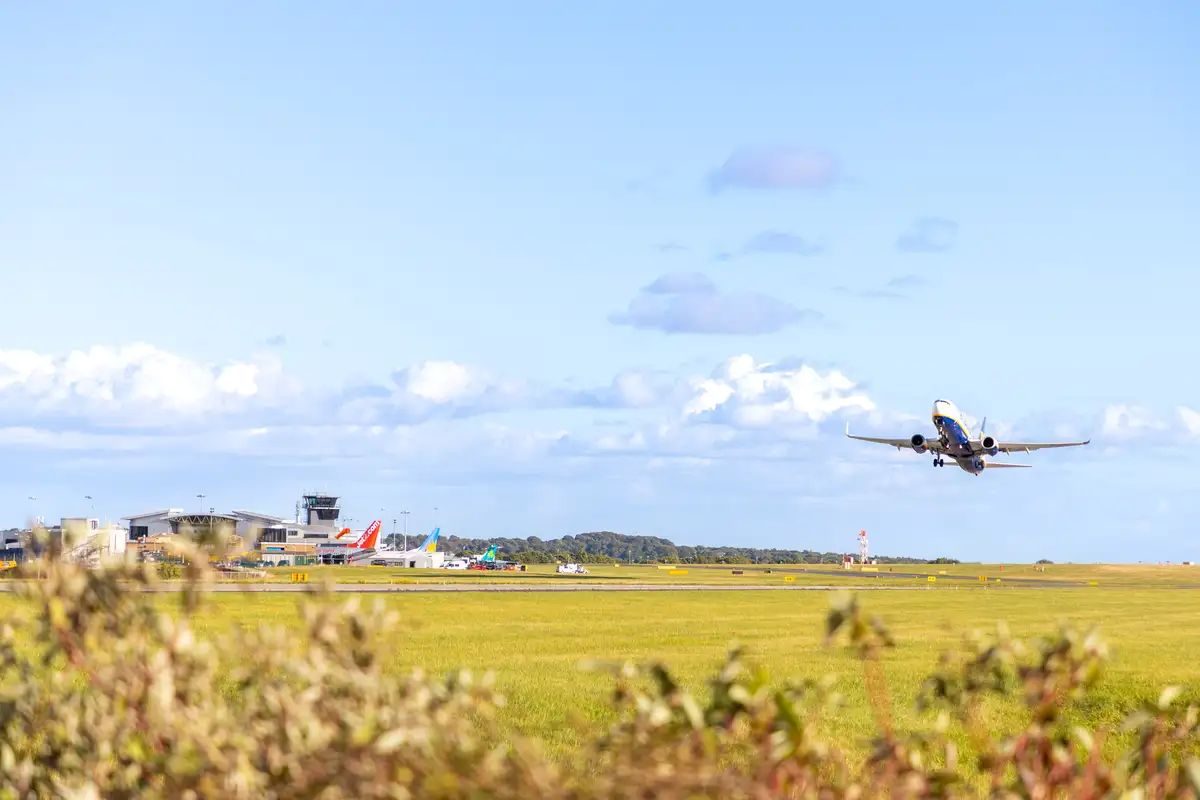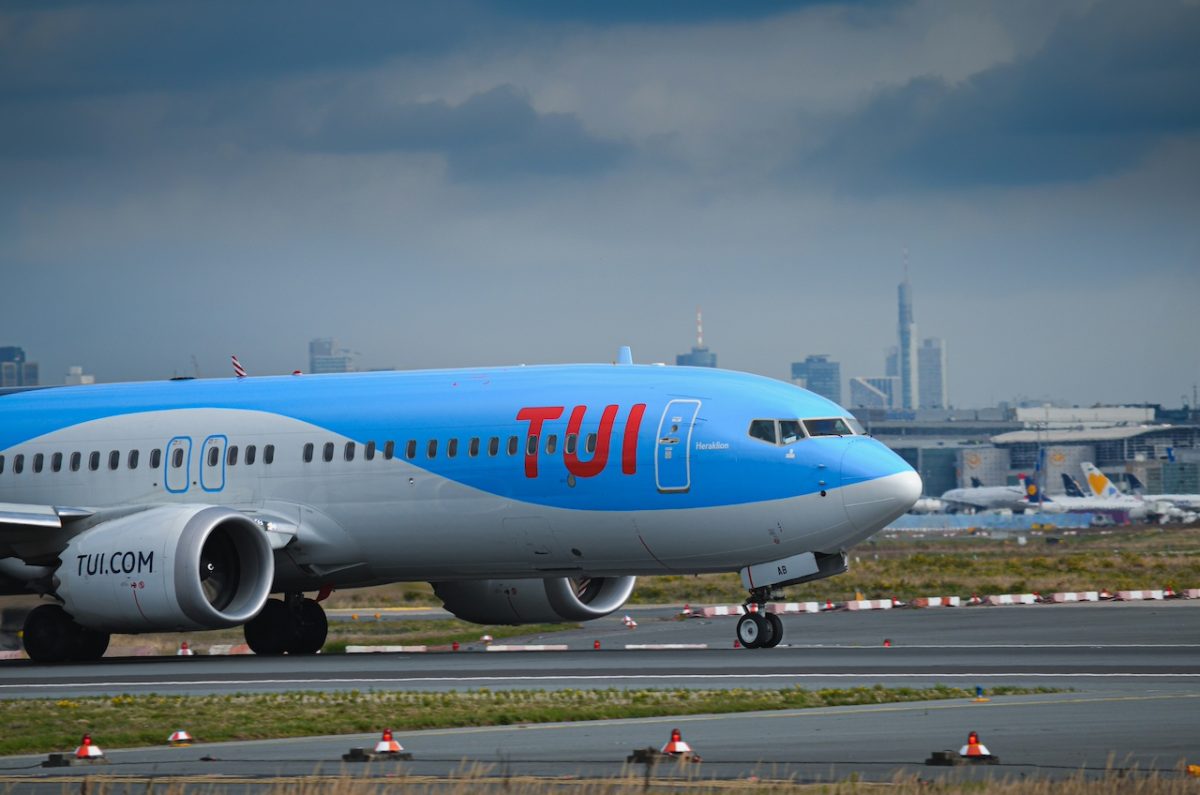
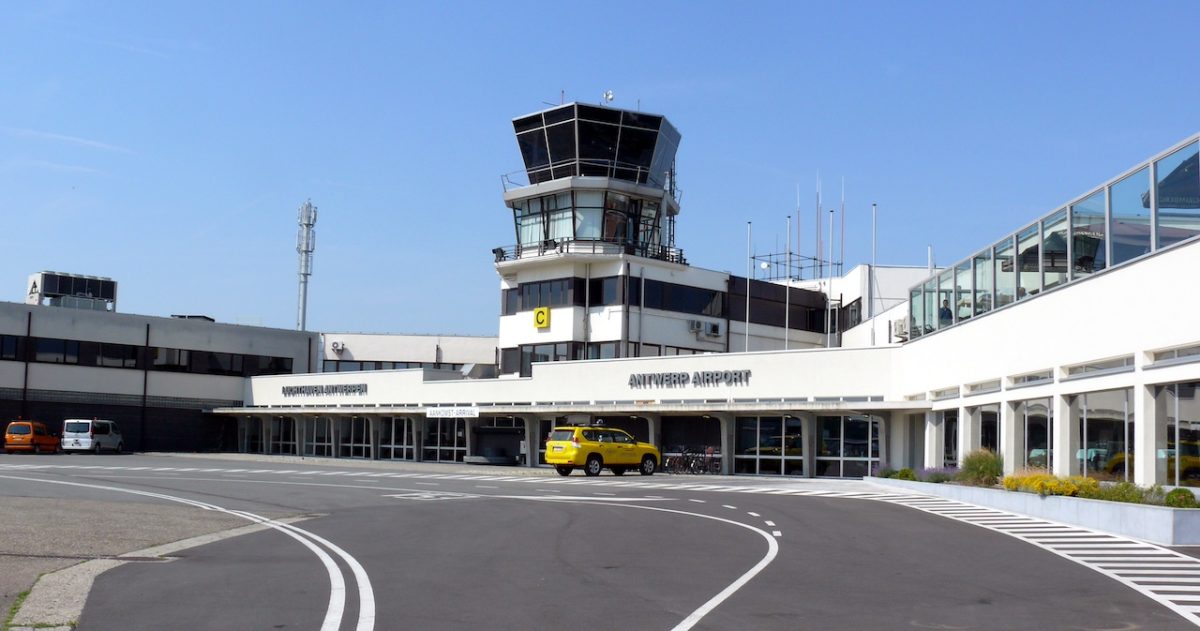
The clock is ticking for budget and leisure travelers who've relied on TUI flights from Antwerp. Starting spring 2027, the airline will cease all commercial flights from Antwerp Airport (also known as Deurne), marking the end of an 11-year chapter for the convenient, manageable hub that once felt like a secret weapon for avoiding crowded Brussels traffic.
The final flights out of Antwerp will touch down on March 24 and 25, 2027, with TUI's last departures heading to Alicante and Málaga. Those sun-chasing routes were lifelines for northern Belgian travelers, but they're symptomatic of a larger shift. TUI already started cutting back last year, trimming its destination list and signaling trouble ahead.
Why the Big Airlines Are Consolidating
This isn't just Antwerp's problem. Europe's carrier giants are squeezing their route maps like lemons. Lufthansa is culling up to 20,000 European flights and shuttering regional offshoots like Lufthansa CityLine to concentrate traffic at major hubs like Frankfurt, Munich, Zurich, and Vienna. Air France-KLM is folding newly acquired carriers (including SAS) into its Paris and Amsterdam strongholds. Even British Airways' parent company IAG is tightening the noose.
The arithmetic is simple: fewer airports, bigger planes, better margins. At an Airlines for Europe summit in Brussels earlier this year, the heads of these mega-carriers made their pitch to regulators: let us consolidate faster, and Europe stays competitive globally. The pressure is real, and the strategy works for the airlines. But regional airports? They're the collateral damage.
What This Means for Antwerp and Its Future
Antwerp isn't going out of business entirely. Corporate jets, training operations, and other carriers will keep the airport's wheels turning. SkyAlps still operates seasonal flights to Bolzano in Italy. Executive charters head to the Alps (Sion and Innsbruck) and sun-soaked Ibiza in winter. But losing scheduled passenger flights is a significant blow, especially as Flanders' regional airports face mounting budget pressures and scrutiny from environmental groups questioning the carbon footprint of smaller airfields.
The airport's leadership hasn't given up. CEO Nathan De Valck promised smooth operations through the winter season and is now hunting for new airline partners to fill the void. The airport has also rolled out fresh pricing structures aimed at attracting carriers and strengthening its financial footing. It's a race against the clock, but Antwerp isn't throwing in the towel yet.
What Travelers Should Know Right Now
If you've booked TUI flights from Antwerp for next year, you'll need to pivot. The good news: Belgium has alternatives. Brussels Airport is ramping up capacity and handles way more routes. Ostend-Bruges Airport, TUI's other consolidation hub in Belgium, offers its own range of options. Neither offers quite the convenience of Antwerp's smaller, less chaotic setup, but they're functioning transit points.
The deeper question is whether this era of regional flying convenience is ending across Europe. Smaller airports have always walked a tightrope between serving their communities and justifying subsidies. As airlines chase efficiency and greener critics sharpen their arguments, that rope gets thinner every year. Antwerp's situation is a preview of a larger reckoning coming for dozens of mid-sized European airports over the next few years.
For now, travelers from Flanders and the surrounding region should book TUI flights before March 2027 while they still can, or start mapping alternative routes through larger hubs. The age of hopping on a quick flight from Antwerp to Spain might be over sooner than you'd expect.