When House of the Dragon returned for season three in June 2026, it brought viewers back to a world of political intrigue, family feuds, and fire-breathing reptiles. But here's the thing: while the dragons and most of the plot come straight from George R.R. Martin's imagination, the actual scenery is borrowed from some of Europe's most stunning real-world locations. This phenomenon, known as set-jetting, has become a genuine travel trend, with fans choosing their next holiday destination based on where their favorite shows were filmed.
For season three, the production team scattered across three countries to recreate Westeros. Each location brings something different to the table, whether it's windswept coastlines, medieval fortified towns, or purpose-built studio facilities. If you've watched the new season and found yourself wondering where to book your next trip, the answer might already be on your screen.
Wales Takes Center Stage
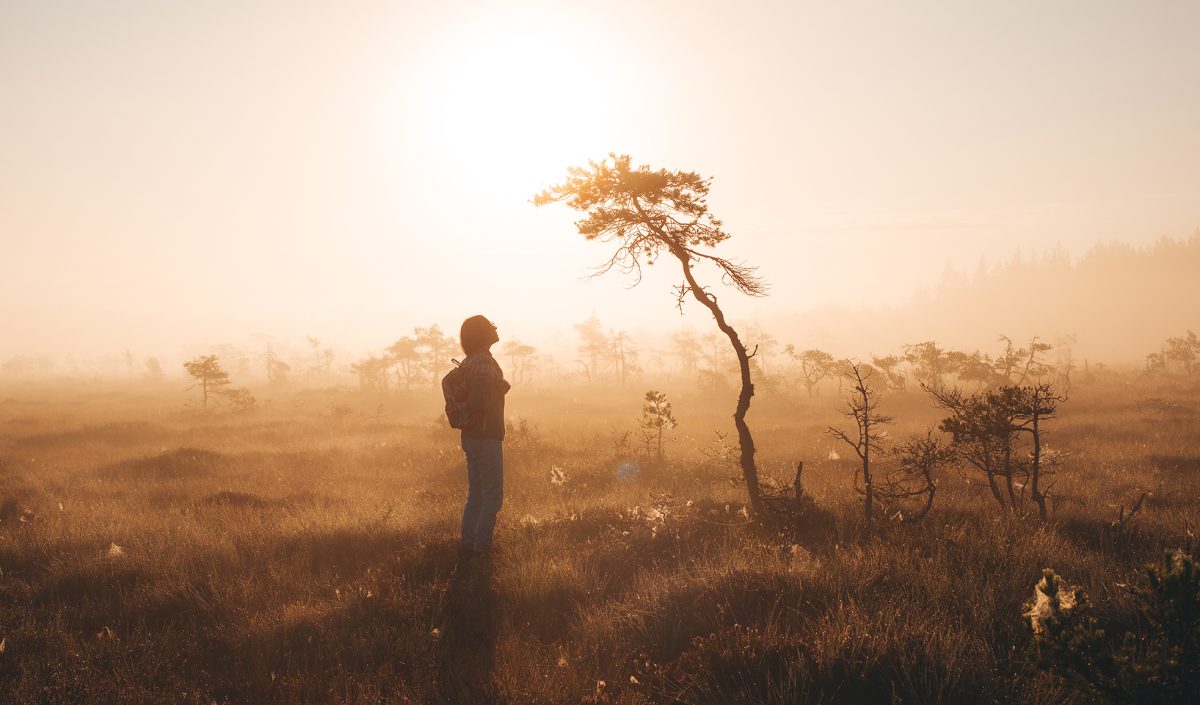
Wales steals the show this season, transforming its dramatic natural landscapes into some of the most important locations in the Seven Kingdoms. The rocky shores of Anglesey, specifically Llanddwyn Island and Beaumaris Pier, now represent Driftmark, the island stronghold of House Velaryon. Earlier seasons filmed this location in Cornwall, but season three opted for the wilder, more rugged Welsh coast. If you visit today, you'll find sandy beaches, stunning coastal trails, and views that honestly look better than they do on screen.
Beyond the coast, Union Rock near Llanberis became Harrenhal, the massive fortress with a sinister reputation and crumbling appearance that plays a major role in the season's conflicts. The surrounding mountains and lakes of Snowdonia National Park (also called Eryri in Welsh) provide the kind of sweeping, forbidding landscapes that characters traverse while fleeing danger or pursuing power. For woodland scenes, the production team used Newborough Forest on Anglesey, a 2,000-acre expanse mixing pine trees, sand dunes, and hiking paths. What makes this approach work so well is that the showrunners aren't relying entirely on special effects to build their world. Real locations do most of the heavy lifting, creating an authenticity that purely digital sets simply can't match.
Spain's Medieval Heart Returns
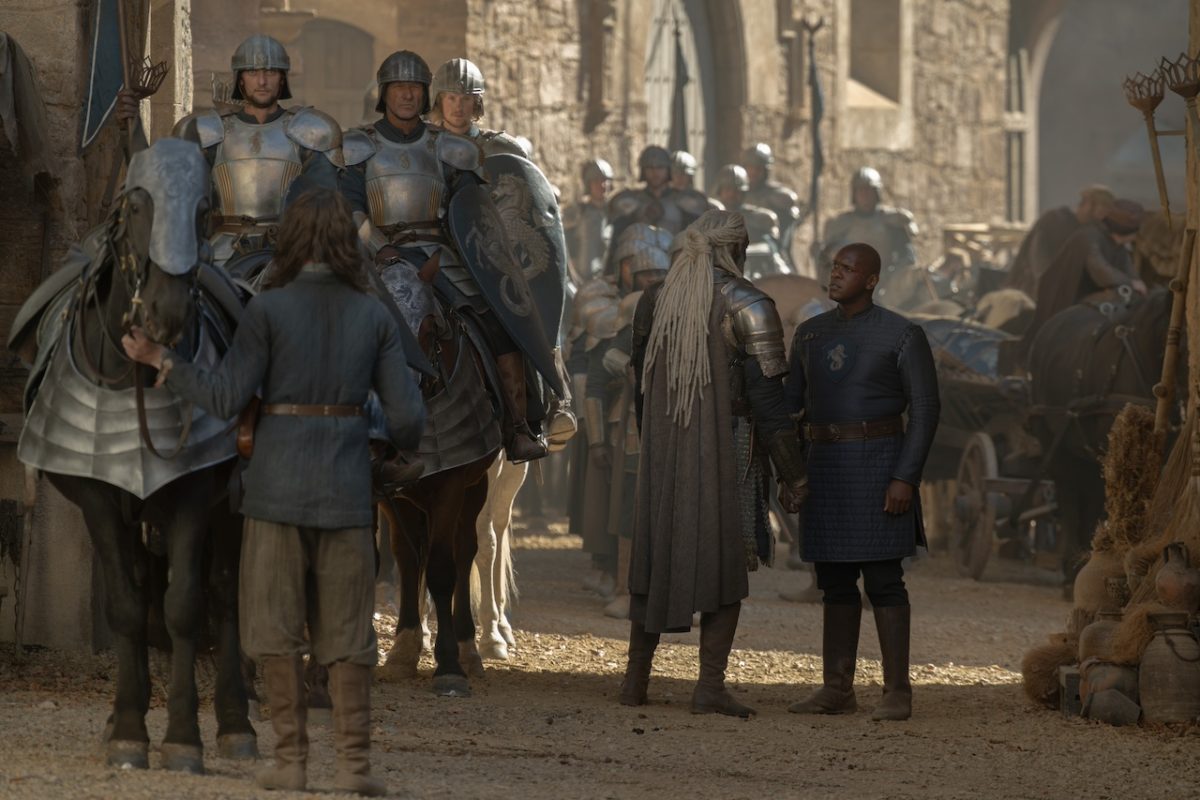
The historic city of Caceres, tucked into Spain's Extremadura region in the west, doubles as King's Landing for the third season running. This UNESCO World Heritage Site, with its remarkably preserved medieval old town and stone architecture, has become synonymous with the Game of Thrones universe. Walk through its narrow cobblestone streets and you'll recognize corners and plazas that the production team transformed into the capital of the Seven Kingdoms. The city's age and authenticity mean you're not just seeing a set; you're walking through actual history that happens to be dressed up as fantasy television.
Visiting Caceres offers travelers a chance to experience genuine medieval Spain while spotting locations from both House of the Dragon and its predecessor series. It's one of those rare cases where the real destination is genuinely interesting regardless of its television connections. You could spend days exploring the city's churches, plazas, and fortified walls. The fact that it also served as a major filming location is almost a bonus.
England's Studios Bring the Spectacle
Not everything happens outdoors. Warner Bros. Studios Leavesden in Watford, Hertfordshire, serves as the indoor production hub for the series. This is where the large-scale battle sequences and elaborate castle interiors come to life. The studio combines detailed physical sets with green-screen technology to create scenes that would be impossible or impractical to film on location. Dragons terrorizing armies, massive feast halls, throne rooms, and intricate fort layouts all take shape here before the outdoor shots stitch everything together into a cohesive world.
This combination of location shooting and studio work is what gives House of the Dragon its distinctive look. The production team resists the urge to rely solely on digital effects. Instead, they ground the story in real European landscapes, then augment those locations with controlled studio environments when necessary. The result feels more tangible than a purely computer-generated fantasy world.
Plan Your Own Set-Jetting Adventure
If you're considering a trip inspired by where House of the Dragon films, the good news is that nearly all these locations are open to visitors year-round. Unlike some filming locations that are private property or restricted areas, these are genuine tourist destinations with established infrastructure. Europe's hotels are increasingly adapting to shifting travel patterns, making it easier to plan trips outside peak season when locations are less crowded.
You could start in Wales, spending time along the Anglesey coast and exploring Snowdonia's mountains. Then head south to Spain to wander Caceres' medieval streets and soak in genuine history. The combination of dramatic landscapes, centuries-old architecture, and television fame creates a compelling reason to visit places you might not have considered otherwise.
House of the Dragon succeeds partly because it refuses to be a purely digital creation. By filming across real locations in Wales, Spain, and England, the series gains a sense of place that viewers can actually visit and experience themselves. Whether you're a devoted fan of the show or simply someone who loves exploring Europe's most interesting destinations, these filming locations offer something genuinely worthwhile beyond just recognizing a scene from television.