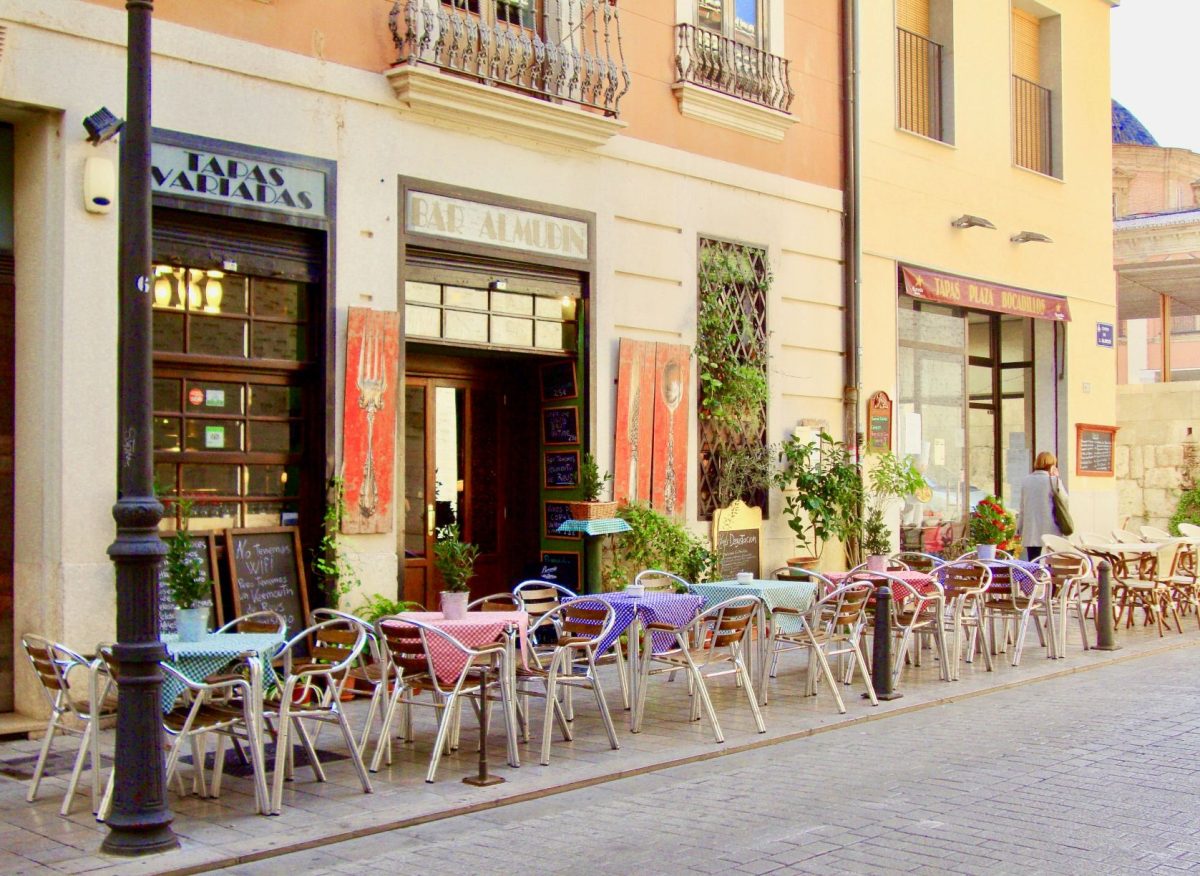
The Spanish terrace, that iconic stage for afternoon coffees, evening aperitivos, and late-night conversations, faces an unexpected constraint. Starting this April, when meteorologists issue red or orange heat alerts, outdoor terraces across Spain may go quiet. Staff won't brave the scorching sun with loaded trays. Service simply shifts indoors.
This shift stems from new labor protections introduced by trade unions FeSMC-UGT and CCOO Servicios, which Spain's hospitality bodies have now agreed to implement. The rules are straightforward: whenever the national weather service AEMET signals dangerous conditions from extreme heat, heavy rain, or snow, businesses must bring outdoor workers inside. Waiters, baristas, and kitchen staff no longer face the choice between their paycheck and their health.
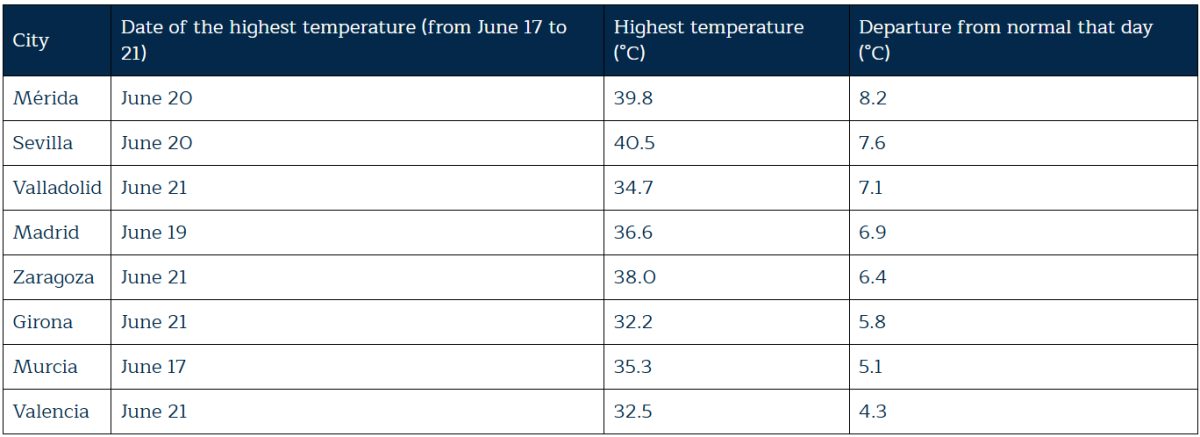
The timing isn't random. Last summer, Spain broiled under unprecedented temperatures. Jerez de la Frontera hit 45.8 degrees Celsius during a heatwave that left the country reeling. August 8 through 17 marked the hottest consecutive ten-day stretch Spain has recorded since at least 1950. These aren't isolated incidents; they're becoming the norm as global temperatures climb.
For travelers planning a Spanish escape, the practical impact is modest. Closures apply only to outdoor service during official heat alerts, not to entire establishments. Restaurants, bars, and cafes remain open. What changes is where you'll sit. Morning espressos and evening drinks will still happen, just under a roof instead of under the Mediterranean sun. Many southern regions already follow this rhythm naturally, shifting activity to cooler hours and bringing patrons inside during the afternoon heat.
The shift has unexpected cultural echoes too. Spain's famous siesta tradition, that long midday pause when entire towns seemed to pause during the hottest hours, never fully disappeared in smaller towns and rural areas. This new framework resurrects something of that older pattern, suggesting that extreme heat demands respect rather than resistance. It's less about closing bars and more about adapting when conditions become dangerous.
Restaurants and bars that install adequate shade structures or cooling systems won't face closures at all. The rules offer flexibility. Businesses can invest in infrastructure to keep terraces operational. A retrofitted terrace with misters and shade will stay busy. Those that don't adapt will see service move indoors when alerts sound.
Non-compliance carries teeth. Labor inspectors can issue fines up to 50,000 euros for businesses that ignore the rules. This ensures the protections actually stick, rather than remaining a suggestion employers can brush aside.
The agreement represents something larger than worker safety, though that remains the primary goal. Spain's outdoor social culture is not vanishing but recalibrating. Like other recent regulatory shifts shaping how travelers experience Spain, this change reflects how climate realities are forcing the country to rethink its traditions. The terrace won't disappear. It will simply exist in conversation with the thermometer, closing temporarily when the heat becomes intolerable and reopening when conditions allow.
For travelers, this means planning summer trips with slightly more flexibility. You might find fewer outdoor options during peak afternoon hours in July and August, particularly during heat waves. Instead, embrace the local habit of lingering over breakfast until mid-morning, then returning for aperitivo as the sun softens in early evening. In many ways, this mirrors how Spaniards have always navigated their climate. You're not losing the experience of Spanish hospitality. You're rediscovering a rhythm that works with the weather rather than against it.