You've seen them everywhere: little logos and certificates hanging in hotel lobbies, promising that your stay is environmentally responsible. But here's the uncomfortable truth that the travel industry doesn't want you to know. Only 9.3% of European hotels actually bother getting certified, according to recent research on properties listed on major booking platforms. And when they do, those certificates often mean almost nothing.
The certification game has become a smokescreen. Hotels slap a green badge on the wall to look responsible, but you can't actually find out whether they're composting food waste, paying workers fair wages, or sneaking fresh towels into your room every time you try to reuse them. A certificate doesn't tell you what the hotel has committed to doing. It doesn't reveal specifics. It's a tick-box exercise that makes businesses feel certified and guests feel reassured, without any real transparency behind either.
The Certificate Problem Nobody Talks About
Consider a real-world scenario from Cape Town's devastating 2018 drought. Travelers desperately wanted to stay at water-conscious hotels, but it was impossible to find out which ones actually used the least water per night. The certificates didn't help. They never specify consumption rates or reveal which properties are genuinely efficient. A hotel could be certified and still wasteful. You'd never know from the badge.
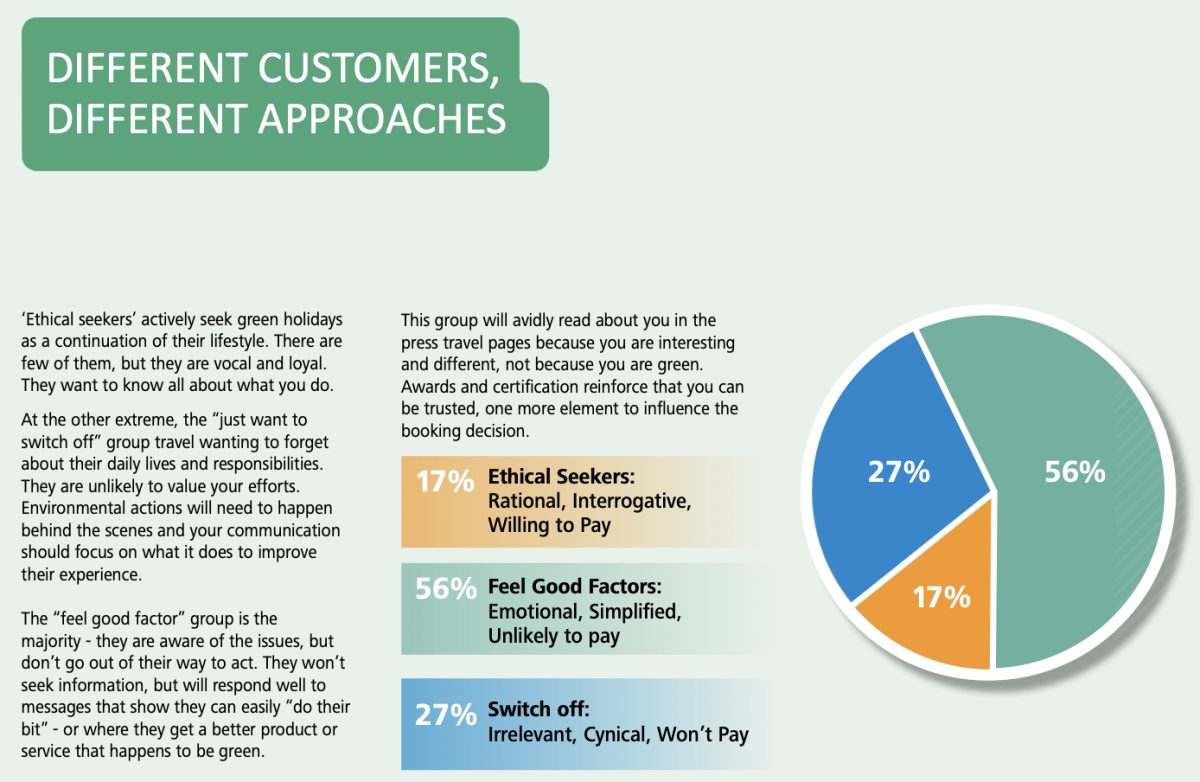
The problem runs deeper. These certification schemes are concentrated among large, chain-affiliated, high-end properties. Small independent hotels and family-run guesthouses mostly opt out, not because they're less sustainable but because certification costs money and requires jumping through compliance hoops. Meanwhile, surveys show that 68% of travelers want to stay more sustainably, yet they face a confusing maze of inconsistent standards with no trustworthy way to compare properties.
New Rules Are Coming, and They're Actually Serious
The EU isn't sitting idle. Starting September 2026, the Empowering Consumers for the Green Transition Directive will prohibit vague environmental claims. You won't be able to call a product green without backing it up with verified data across its entire lifecycle. That plastic water bottle can't be marketed as eco-friendly. Those potatoes in non-biodegradable packaging can't claim to be environmentally conscious. Hotels claiming sustainability will need clear, measurable, publicly available proof.
This directive terrifies certification businesses, which have been profiting by selling fear. They've warned hotel owners that compliance requires getting certified. But the research suggests otherwise. Real compliance comes from transparency and measurable action, not badges.
What Travelers Should Actually Look For
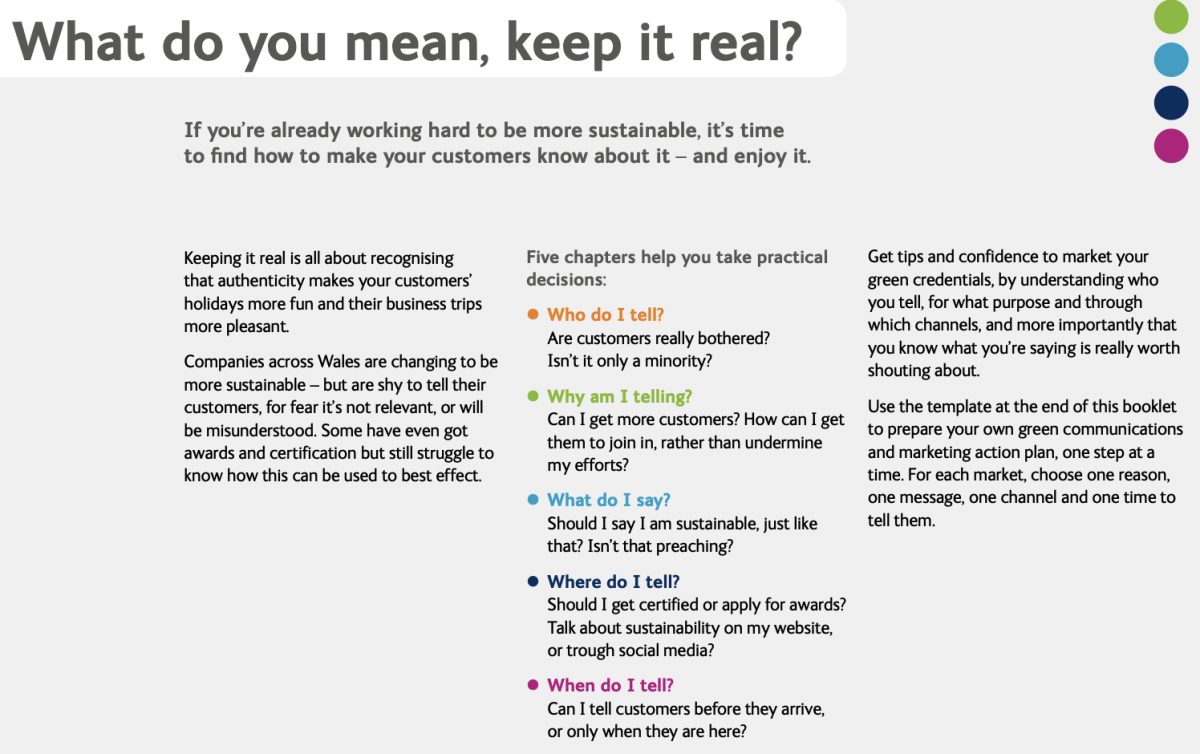
The responsible tourism movement has long insisted on a different approach: genuine engagement with local communities and transparent reporting. Instead of asking "Is this place certified?", ask harder questions. What specific water and energy consumption does the hotel report? Can you see the actual numbers? What are their labor practices? Do they publish annual sustainability reports with verifiable evidence?
The strongest signal isn't a certificate hanging on a wall. It's a business willing to publish what it actually achieves. A hotel measuring and sharing its electricity consumption per guest night. One that openly states wage levels above minimum. An operator that reports on waste management with real data, inviting third-party audits. That kind of transparency creates accountability. That's what gives a sustainability claim actual meaning.
When you're choosing where to stay during your next trip, skip the logos. Ask the hotel directly: What do you measure? Where can I see your numbers? Can you compare your water usage to other properties in the region? A hotel that can answer these questions with specifics is working harder at sustainability than one that just waves a certificate in your face. And when enough travelers ask these questions, the industry will finally have real incentive to change.