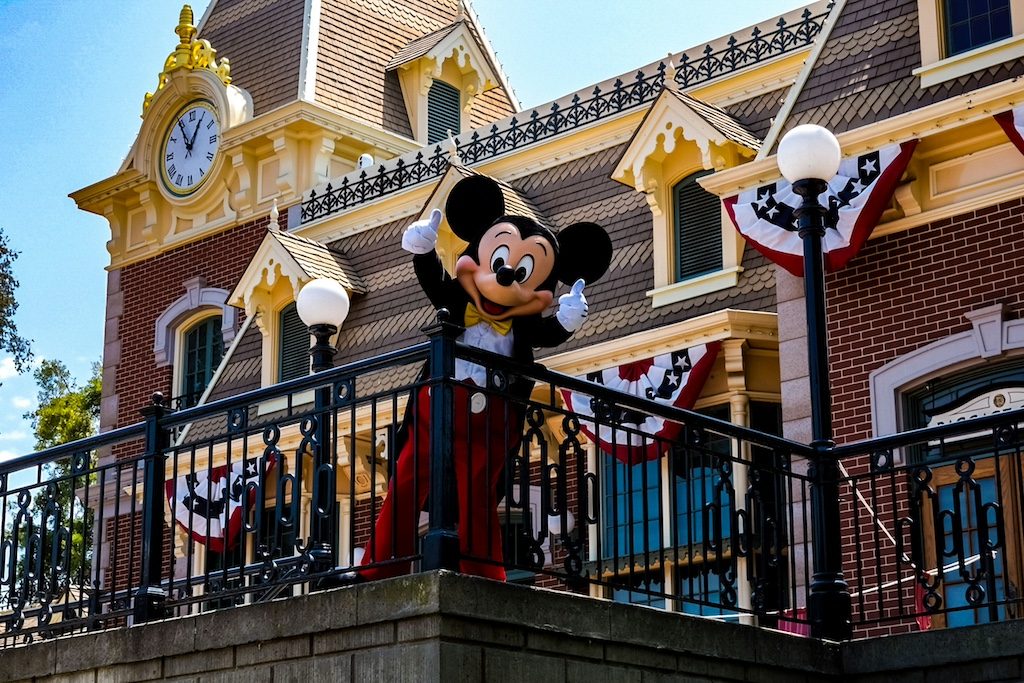
There's a peculiar irony in Disneyland's history with cameras. Back in 1955, when Walt Disney's original park opened its gates in California, television crews caused absolute chaos. The studio had arranged for a series of televised "Special Sunday events" with A-list Hollywood guests, and everything was going smoothly until actor Bob Cummings was caught on live TV in Frontierland kissing a dancer. His wife and kids had been introduced to 90 million viewers just moments earlier. It was the kind of PR nightmare that makes marketing teams lose sleep for decades.
Fast forward to 2025, and Disney is hoping to avoid similar surprises by deploying a very different kind of camera technology. The park has announced that facial recognition systems are now operational at entrance lanes to both Disneyland Park and Disney California Adventure Park. The company says the technology "facilitates ease of re-entry into our parks and helps prevent fraud." In other words, your face is now your ticket.
The timing feels deliberate. Recent high-profile incidents involving surveillance cameras have turned privacy into a mainstream conversation. In July 2025, a US CEO was caught on camera at a Coldplay concert allegedly cheating on his wife with a work colleague. The footage went viral, and both he and the woman resigned from their positions at tech firm Astronomer within days. The incident was a stark reminder that in an age of ubiquitous cameras, there's nowhere to hide from public judgment.
Disney's rollout comes as facial recognition technology is spreading across airports, stadiums, and entertainment venues worldwide. The Trump administration is reportedly exploring smart glasses equipped with facial recognition for Immigration and Customs Enforcement agents. Meanwhile, the EU launched its new biometric Entry Exit System at borders, while hackers compromised thousands of Eurail and Interrail customer records, exposing just how vulnerable personal data can be when it's collected and stored online.
Here's how Disney says it works: when you enter through a facial recognition lane, a camera captures an image of your face and compares it with the image linked to your ticket or pass. The system converts both images into unique numerical values and looks for a match. Disney promises to delete these numerical values within 30 days, except when legal or fraud-prevention needs require retention. Children under 18 can use the service with parental consent.
The company has tried to sound reassuring about security, stating it has "implemented technical, administrative and physical security measures" to protect guest information. But here's the critical part: Disney is offering an out. If you're uncomfortable with facial scanning, you can skip the tech entirely and use the main entrances along the Esplanade, where Cast Members will manually validate your ticket. Participation is optional, though the preference for speed might nudge many visitors toward the cameras anyway.
This privacy calculus is becoming routine for modern travelers. Whether you're clearing airport security, entering a stadium, or now, visiting a theme park, biometric systems are quietly becoming part of the infrastructure. Your US passport just got a controversial makeover for 2026 that involves similar technology, suggesting the trend will only accelerate. The question isn't whether facial recognition is coming to more places - it's whether travelers will demand transparency and genuine alternatives when it does.
For now, Disney's approach is a compromise. You get frictionless entry if you're comfortable with your face being scanned and stored temporarily. You get peace of mind if you're not, albeit with a slower manual process. It's not the first time Disney has had to navigate the tension between convenience and creepiness, and it probably won't be the last. Bob Cummings would probably just smile and move on.