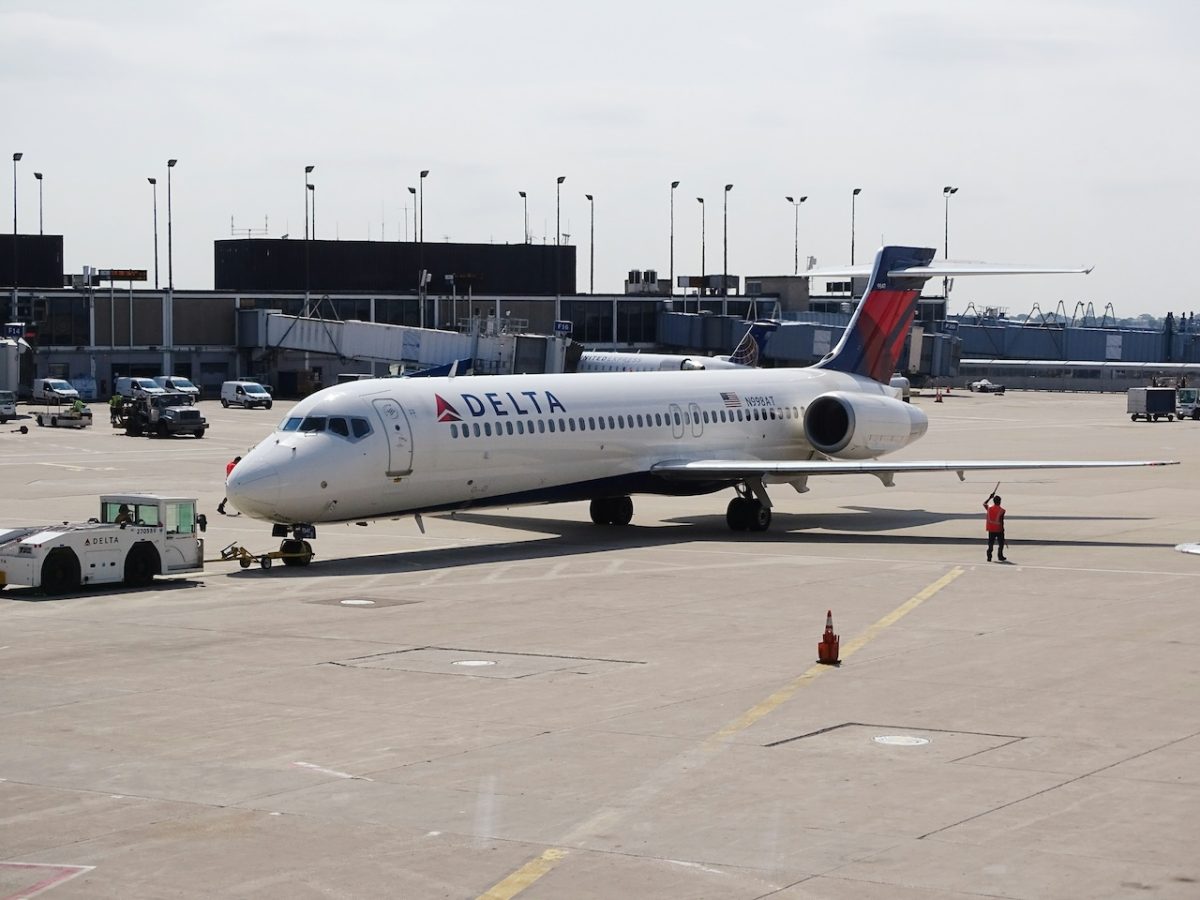
The airline industry is tightening its belt, and your next short flight might feel a lot less hospitable. Delta Air Lines confirmed this week that it will stop offering free drinks and snacks on flights under 560 kilometers (roughly 350 miles) starting May 19. The change affects around 500 of Delta's 5,500 daily departures, roughly 9 percent of its network.
This move comes as fuel costs continue to squeeze every carrier's bottom line. After Spirit Airlines shut down last year following years of financial strain, the warning signs for the entire industry became impossible to ignore. Jet fuel prices have nearly doubled, climbing from about $2.50 per gallon to over $4.13 per gallon in major U.S. cities since early spring. That's not pocket change when you're burning thousands of gallons per flight.
What's actually changing for passengers
Here's the practical breakdown. If you're flying a short route, you won't get complimentary refreshments anymore. Longer routes over 560 kilometers will keep their upgraded beverage service. Premium cabin passengers won't notice any difference, so if you're flying business or first class, this doesn't affect you.
One silver lining hidden in this announcement: flight attendants will spend less time frantically pushing carts down the aisle on short hops. Anyone who's flown cross-country knows the chaos of beverage service on a packed flight where crew members race against time. Passengers in the back rows often miss out entirely, creating frustration and inconsistency. Delta's decision to streamline this could actually improve the boarding experience, even if the airline won't admit that's part of the thinking.
What remains unclear is whether passengers will have access to basic water, which would at least address the most fundamental need on a plane.
Baggage fees are going up too
If removing snacks wasn't enough, Delta also raised its checked baggage fees in April. The airline tacked on $10 to both your first and second checked bags, pushing them to $45 and $55 respectively. A third checked bag now costs $200 instead of $150. These increases mirror moves by other major carriers, including budget airlines struggling with fuel surges, all trying to offset the same fuel crisis.
Delta framed these changes as creating "a more consistent experience across our network" and part of its "ongoing review of pricing across its business." In reality, this is crisis management masquerading as operational optimization.
What this means for travelers
Short-haul flyers should prepare for a different experience this May. Pack snacks if you're sensitive to hunger on a two-hour flight. Bring an empty water bottle to fill at the airport or request water from the flight attendant (crews will still be available, just without the beverage cart). Consider whether premium cabin seating makes sense for your budget if you value in-flight amenities.
The bigger picture is that airlines aren't done cutting corners. We've seen carriers cancel thousands of flights to manage fuel costs, and more fee increases are likely coming. What Delta does today often becomes industry standard within months. If you've been flexible about booking, now might be the moment to lock in fares before other carriers follow suit with their own service reductions.
The airline industry exists in a fragile balance. One major shock like fuel price spikes can force uncomfortable choices. Delta's decision to remove snacks on short flights isn't dramatic theater. It's a real response to real financial pressure. Whether passengers accept it gracefully or revolt with complaints remains to be seen, but one thing is certain: the flying experience keeps getting more transactional and less hospitable with each passing year.