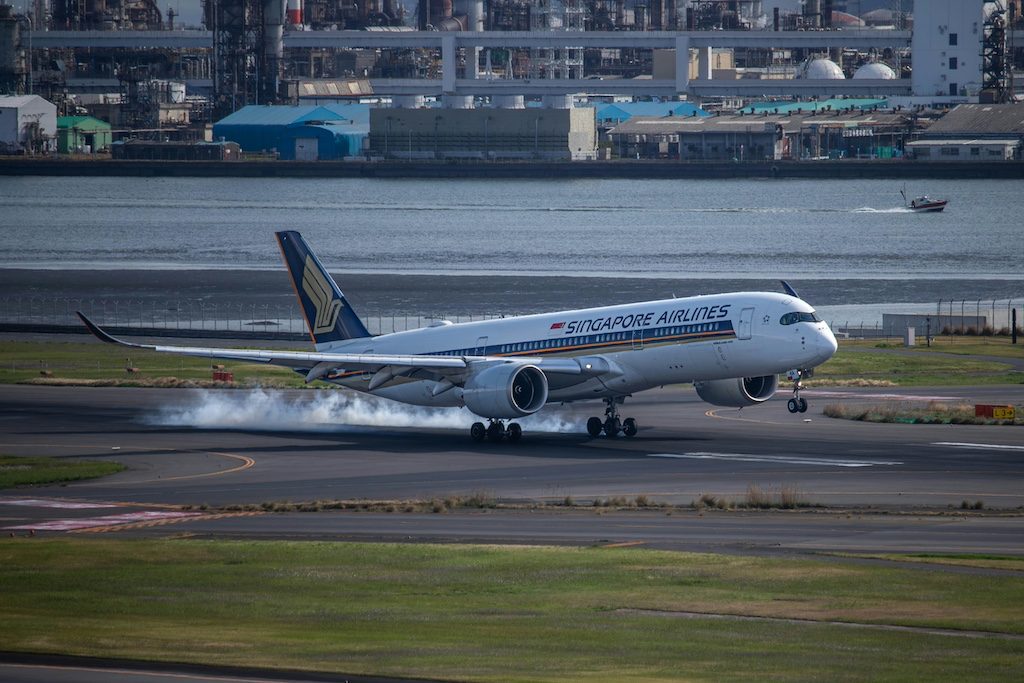
Your next flight from Singapore to New York might feel less like stepping into a digital dead zone and more like staying at a decent broadband connection on the ground. Singapore Airlines just announced it's bringing SpaceX's Starlink satellite internet to its widebody fleet, starting next year.
The rollout begins in the first quarter of 2027 and will continue through 2029. The airline is equipping its Airbus A350-900 long-haul and ultra-long-range aircraft, plus its A380 superjumbos, with Starlink antennas. This isn't a premium-cabin-only perk, either. The carrier is making the service complimentary for everyone: Suites, First, Business, and Premium Economy passengers on KrisFlyer. Economy flyers who are loyalty members also get free access. It's a rare move in an industry where airlines often gate fast internet behind paywalls.
How Starlink Actually Works at Cruising Altitude
Here's the technical bit that matters for your experience. Starlink isn't your typical satellite internet. SpaceX's constellation orbits much lower than traditional satellites, which means data doesn't travel as far before bouncing back. Less distance equals faster speeds and fewer annoying delays. Ground stations beam signals up to the satellite network, which then sends data to receivers mounted on the aircraft. From takeoff to landing, you stay connected without the dropouts that plague older systems.
This opens up possibilities that felt impossible just a few years ago. You can actually stream video without buffering. Send large files to your team. Play online games without rage-quitting. For business travelers, it means real productivity at 37,000 feet. For leisure passengers, it means the in-flight entertainment actually works like it does at home.
The Broader Industry Scramble for Better Connectivity
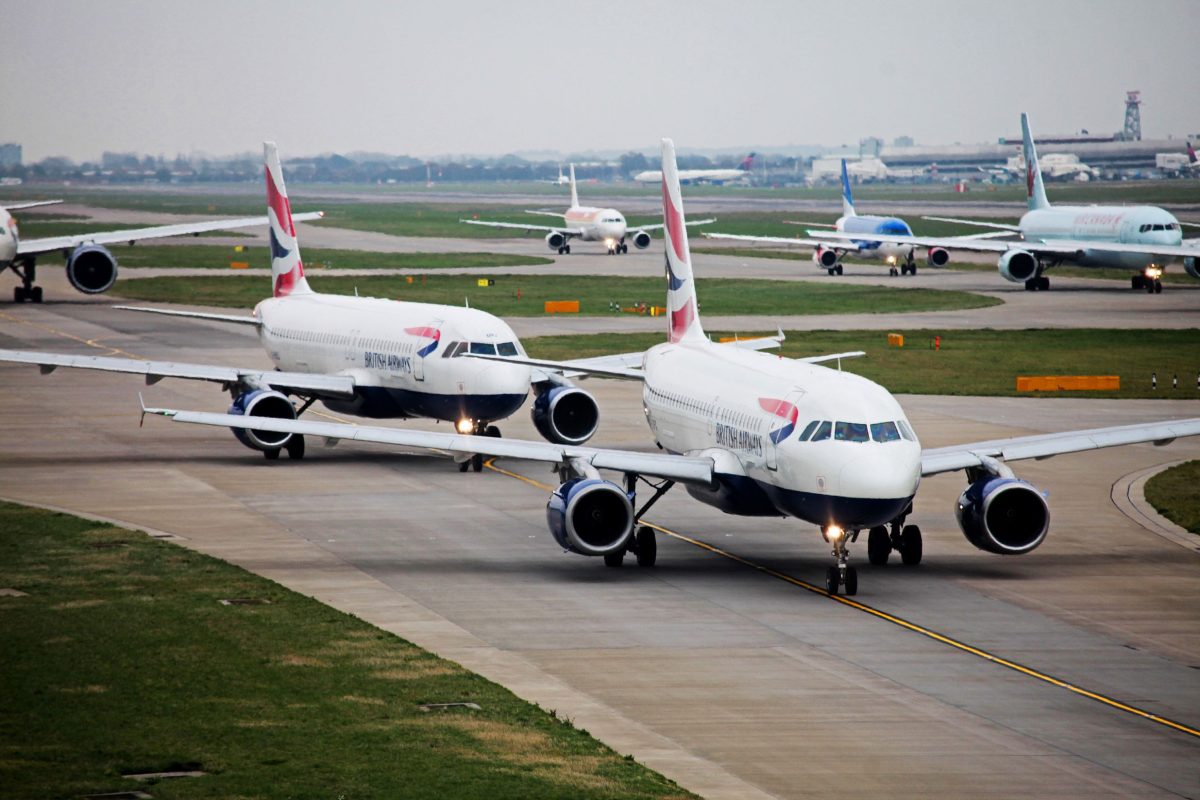
Singapore Airlines isn't alone in chasing this upgrade. British Airways has already started installing Starlink across its fleet, and early reports suggest the connection feels similar to home broadband. KLM took a different route, launching free Wi-Fi on European short-haul flights where passengers don't get seatback screens anyway. Delta Air Lines, meanwhile, rejected Starlink entirely in favor of Amazon's low Earth orbit satellite system, planning to roll it out across hundreds of aircraft from 2028 onward. The market is fractured right now, with carriers weighing different technology options.
That competition matters to you because it means airlines are actually racing to improve what used to be a neglected amenity. For years, in-flight internet was slow, unreliable, and often cost extra. Now carriers treat it as a core part of the experience. Passengers expect to stay online, whether for work or streaming, and airlines know they can't ignore that demand.
Not Everyone Is Convinced Yet
Before you get too excited, there's a practical side airlines are wrestling with. Adding satellite equipment means extra weight. Extra weight burns more fuel. Fuel burns money. Some carriers have flagged concerns about operational costs and efficiency losses when installing new antennas and infrastructure. Each airline is trying to balance the appeal of blazing-fast internet against real-world constraints like fuel consumption and maintenance complexity.
Singapore Airlines' phased approach (spreading installations across three years) gives the carrier room to monitor how this plays out in practice. They can adjust if needed, monitor fuel impacts, and refine the rollout based on what they learn. It's smart planning rather than rushing everything out at once.
What This Means for Your Next Flight
If you're flying Singapore Airlines on a long-haul route after 2027, you're getting genuinely fast internet as a standard amenity. No tier-based internet that throttles your speed. No surprise charges. Just decent connectivity for the entire flight. The airline clearly believes that's a competitive advantage worth investing in.
The broader shift is real. Airlines are finally treating connectivity like a basic utility rather than a luxury add-on. As more aircraft get equipped with new technology over the next couple of years, you should notice the difference on carriers that upgrade. The days of staring at a loading bar for eight hours are ending, even if the transition takes another year or two to complete across most fleets.