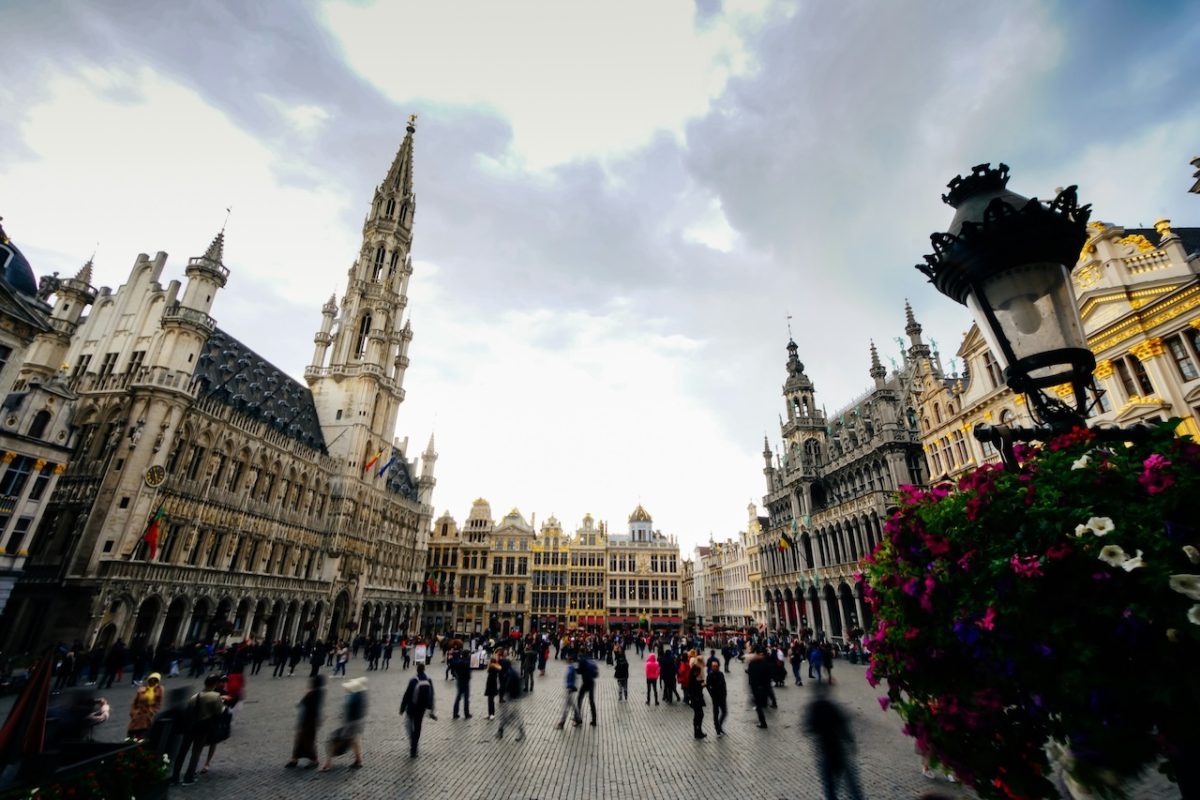
Brussels is on a quiet but deliberate mission to claim more than its fair share of the world's biggest conferences. While other European cities fight for visibility, Belgium's capital is taking a different approach: deploying a network of recognized experts who leverage their international credentials to lure major congresses to town.
The strategy centers on something simple but powerful. Instead of relying solely on traditional tourism marketing, visit.brussels has cultivated around 150 Business Events Ambassadors, each a respected figure in fields like medicine, science, technology and environmental research. These aren't cheerleaders for the city. They're decision-makers with real influence in their industries, capable of persuading international associations to choose Brussels as their gathering place.
A strategy built on insider knowledge
The numbers reveal why this approach works. Over the past nine years, these 135 ambassadors have helped bring more than 300,000 delegates to the city, generating over $250 million in economic benefits for the tourism sector. That's not luck. That's a network of trusted voices saying, "Hold your congress here."
What makes this different from typical destination marketing is the depth of involvement. Ambassadors don't just rename Brussels as a venue option. They help craft winning bids, connect international associations with local research institutions and industry clusters, and ensure that conferences align with existing expertise on the ground. When a major medical congress comes to Brussels, it's not coincidence. It's because a leading physician ambassador saw the fit and made the introduction.
Brussels has a natural advantage most cities would envy. As the seat of European Union institutions and home to dozens of international organizations, the city offers something few destinations can match: direct access to policymakers, regulators and industry leaders under one roof. For conferences that aim to influence policy or attract investment, Brussels isn't just a nice place to gather. It's the logical choice.
Timing matters in a recovering market
The ambassador expansion arrives at a moment when business travel is roaring back. According to the Global Events Barometer, hotel bookings for conferences have recovered to 97% of pre-pandemic levels, while requests for proposals now exceed 2019 figures at 102%. The global business travel market, valued at $689.7 billion in 2021, is projected to reach $2.1 trillion by 2031. That's a market worth fighting for, and the boom is reshaping where executives actually want to go.
Of course, not everything is smooth. Room rates have surged to 139% of 2019 levels, and geopolitical tensions alongside economic uncertainty could dampen short-term bookings. But the long-term trajectory is clear: in-person events matter more than ever, and cities that position themselves as knowledge hubs will win.
When tourism becomes economic infrastructure
One of the program's most visible ambassadors is Bulut Bagci, president of the World Tourism Forum Institute, who secured the Global Tourism Forum 2026 for Brussels. His perspective reflects a broader shift in how the world views these gatherings. "We make billion dollar investment decisions in Brussels," Bagci explains. "For me, Brussels is not a destination, it is a home. We bring together governments, investors and industry leaders around the same table." He's recognized that Brussels Airport and the city itself are becoming infrastructure for global decision-making.
This reframing matters. Conferences are no longer just networking opportunities. They're platforms where the future gets decided: where infrastructure gets funded, investment flows, and sector priorities get set. Cities that host these events don't just benefit from visitor spending. They gain influence and position themselves at the center of global conversations.
Brussels understands this. The ambassador program is deliberately selective and capped at around 150 members, ensuring the network stays active and focused on priority sectors. That discipline sets it apart from destination marketing programs that try to appeal to everyone and end up influencing no one.
As business travel continues its recovery, the real competition won't be for generic visitor numbers. It will be for the conferences that carry weight, attract decision-makers, and generate lasting economic impact. Brussels has placed its bet on expertise, relationships, and the power of trusted voices. Whether the bet pays off will depend on how well those ambassadors keep delivering, but the strategy is sound.