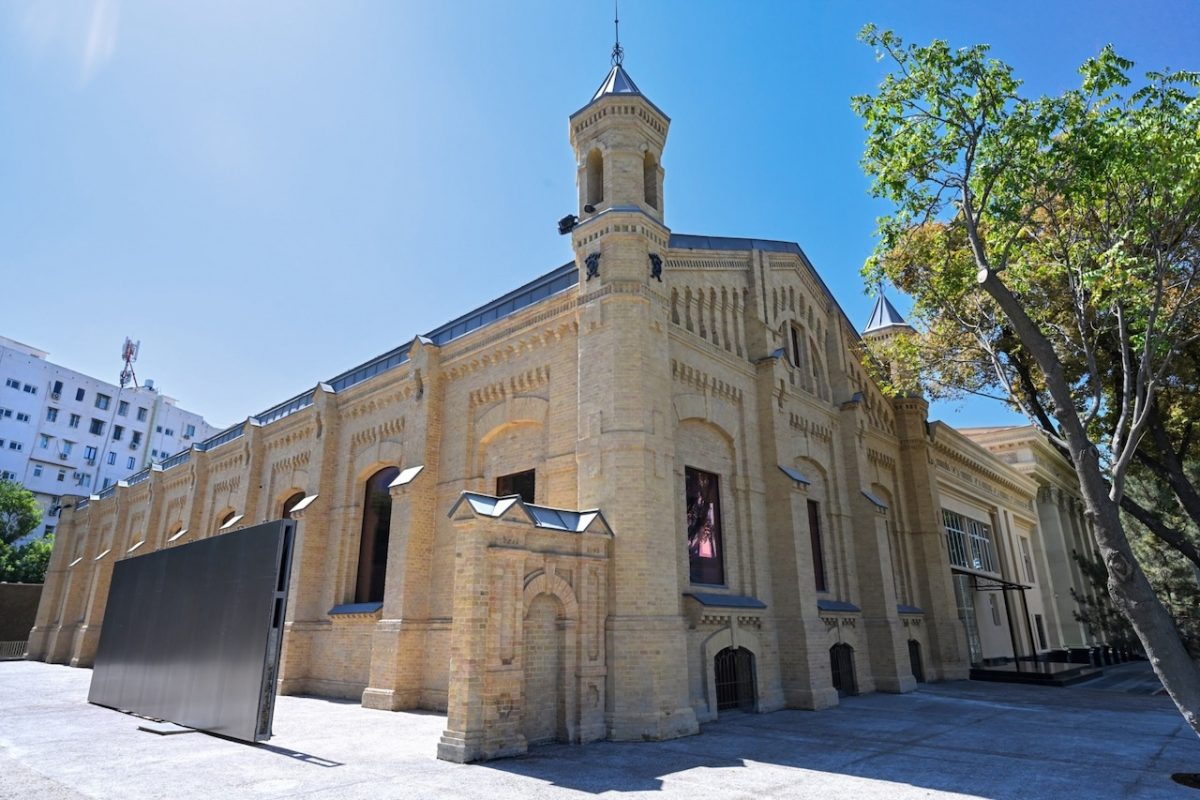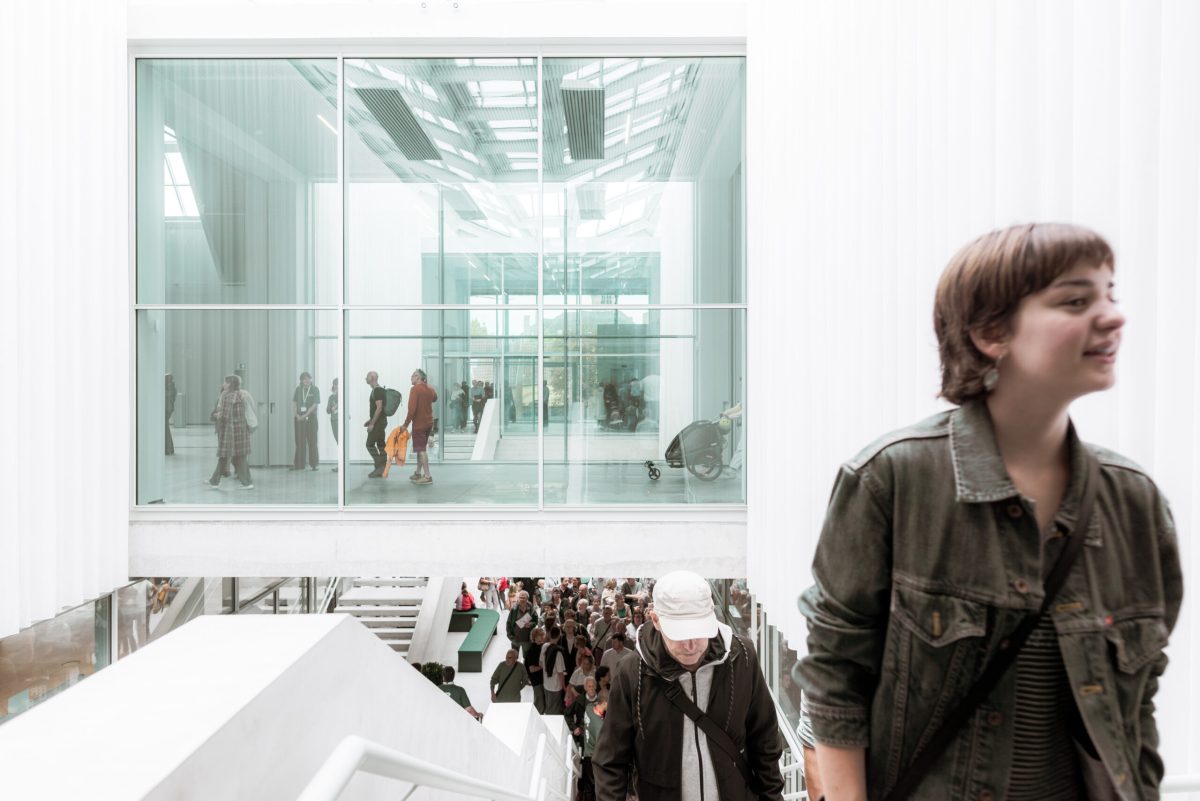
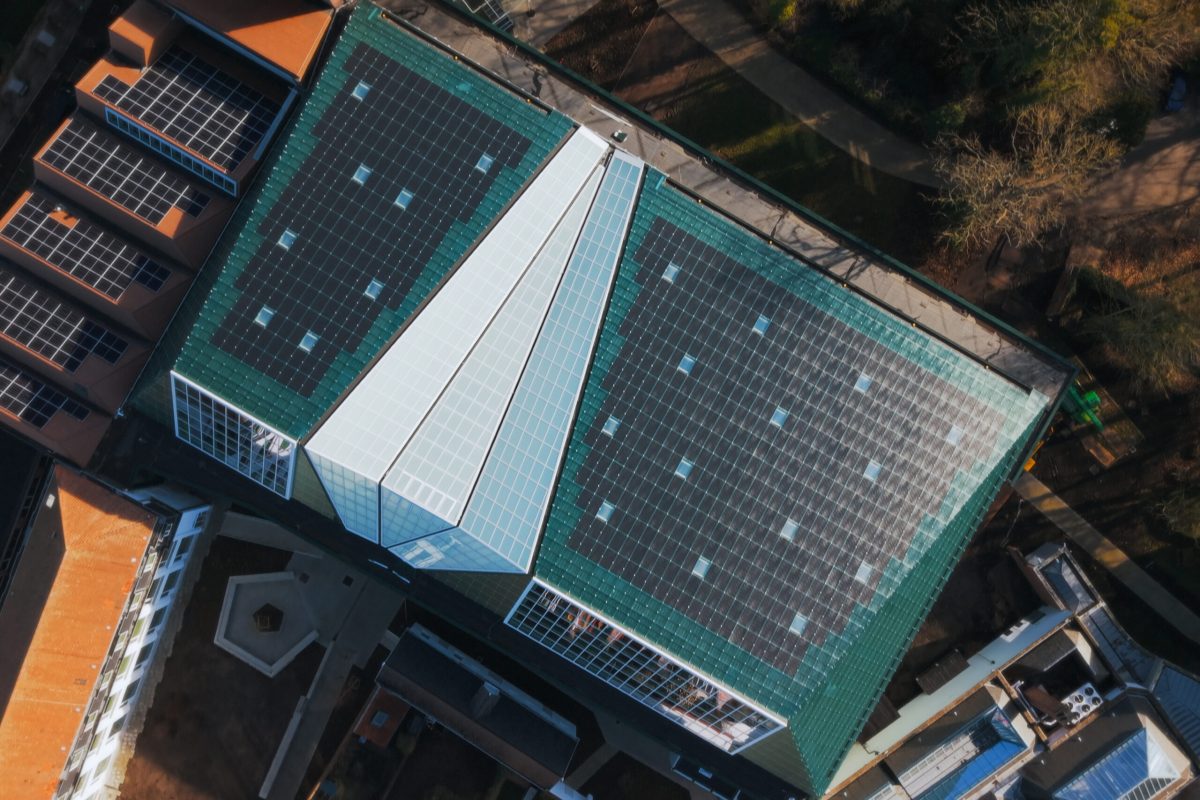
Bruges is about to make a significant cultural move. On May 8, 2026, the Belgian city will unveil BRUSK, a museum designed to shake up how visitors understand art across three centuries. Architects Robbrecht en Daem (the same team behind Bruges' iconic Concert Hall) have created a space with serious green credentials and what the museum calls "monumental exhibition spaces" that will blend the city's own collection with loans from renowned institutions worldwide.
The opening isn't just about cutting ribbon and hanging paintings. BRUSK is launching with two exhibitions that practically demand your attention. One is Latent City, a digital art experience by Turkish-American pioneer Refik Anadol, making its Belgian debut. The other, Bigger Picture: Connected worlds of Bruges 900-1550, strips away centuries of assumptions about what medieval Bruges actually was. Hint: it wasn't some isolated, quaint backwater.
Where Art Meets Artificial Intelligence
Latent City runs through November 2026 and represents something genuinely different for a traditional European museum. Anadol's team trained AI models on over five million images of cities from around the globe, then used custom algorithms to imagine what a metropolis might look like through machine learning. It's not a gimmick. It's a reckoning with how we see urban life in the age of data.
Meanwhile, Bigger Picture repositions medieval Bruges as something closer to a global hub than most tourists realize. The exhibition unfolds across five chapters, each packed with historical objects and artifacts that tell a different story. Bruges in the Middle Ages wasn't sitting pretty behind its canals. It was a nerve center for trade routes connecting Europe, Asia, and Africa. It was where merchants, pilgrims, and ideas collided. Visitors will encounter pieces and narratives that trace those connections, showing how what happened in Bruges mattered to the wider world.
A Festival Weekend That Sets the Tone
The first three days (May 8-10) are being billed as "BRUSK FEST," a city-wide celebration that spills beyond the museum walls. Free performances, workshops, live theatre, and music fill the schedule, catering to all ages. A single day pass costs 20 euros and gets you into both exhibitions plus everything happening across the venue. For a city that's already competing for major sustainability recognition, this kind of access-first opening feels deliberate.
The museum's philosophy matters here. BRUSK isn't positioning itself as a repository of masterpieces that visitors should revere from a distance. Instead, exhibitions are anchored in dialogue with current themes and the Bruges context itself. Local collection pieces spark conversations with contemporary work and international loans. It's a model that treats museums not as temples but as conversation spaces.
If you're planning a trip to Bruges around this time, the opening weekend could redefine what you thought a museum launch would feel like. The city has spent decades perfecting its medieval aesthetic for tourism. Now it's finally telling the real medieval story. That's worth the detour.