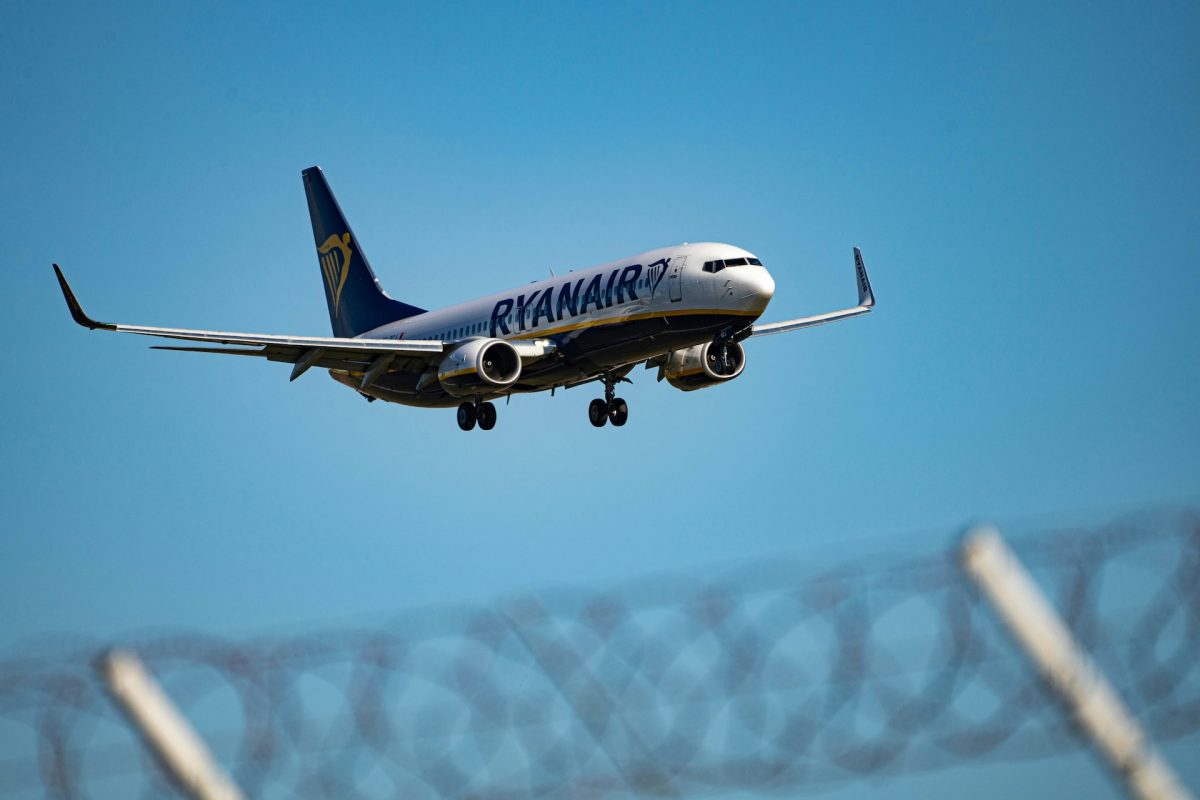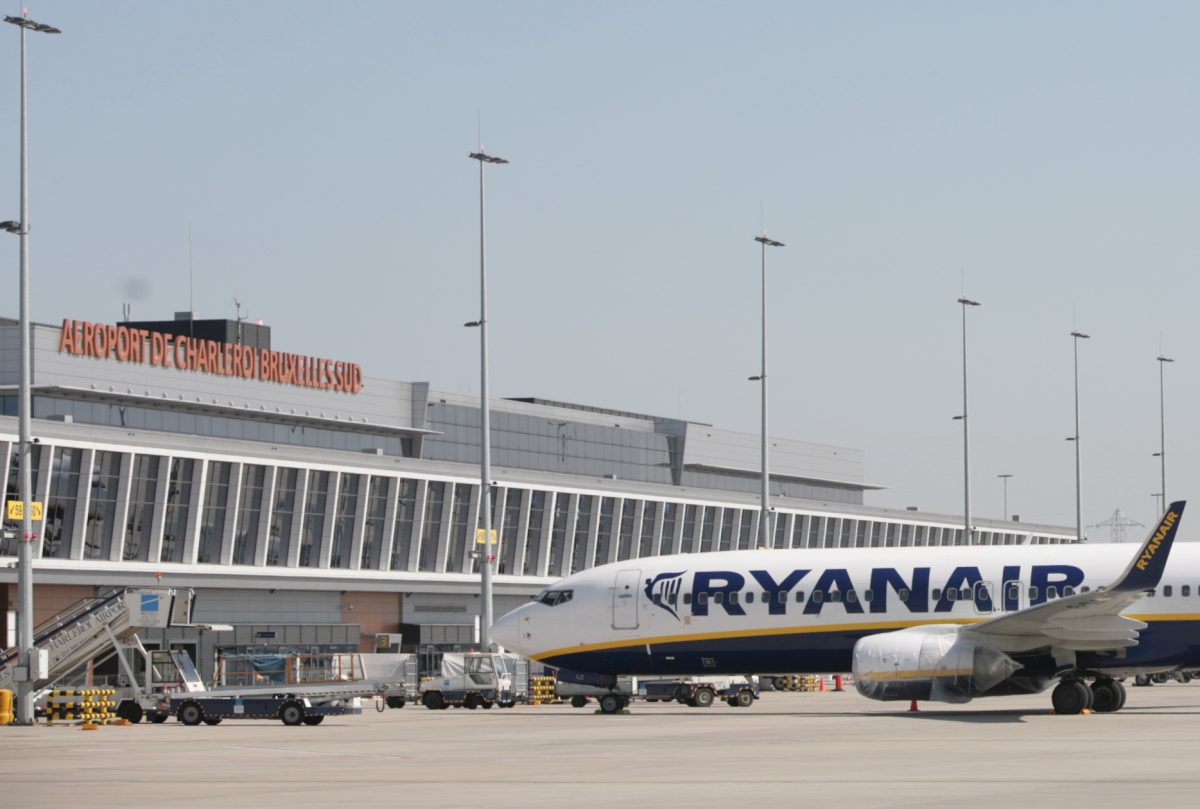
Budget airline dominance just got expensive for Belgium. Ryanair confirmed it is withdrawing five aircraft from Brussels South Charleroi Airport and cutting two million seats across its Belgian network, starting in winter 2026 and continuing through summer 2027. The airline blamed the Belgian federal government's plan to hike aviation taxes on longer flights from 5 euros to 7 euros per passenger on January 1, 2027. That 40 percent jump is enough to send Ryanair packing to what it considers friendlier markets elsewhere in Europe.
Charleroi Airport, located in Belgium's Walloon region south of Brussels, has leaned heavily on Ryanair for years. The budget carrier dominates its schedule and passenger numbers. Now regional leaders are sounding the alarm. Walloon Minister-President Adrien Dolimont was blunt about the situation. "We are familiar with Ryanair's communication, which is regularly aggressive," he told reporters. "I have no intention of trembling at each of their statements." Yet his words ring hollow if Charleroi loses significant capacity. The airport needs to break free from overreliance on a single carrier, Dolimont insisted, calling for a diversified roster of airlines to stabilize operations and protect thousands of local jobs.
A Tax Hike That Backfired
Belgium's new aviation tax is meant to address environmental concerns. Flights under 500 kilometers already face a 10-euro charge. The longer routes now facing the 7-euro bump affect international travel and carrier economics. Ryanair has made no secret of its position: the airline wants the tax abolished entirely. Planes withdrawn from Charleroi will head to European markets where aviation taxes are lower or nonexistent, the airline said. Destination details and specific frequency cuts have not been announced yet, leaving travelers and airport staff in limbo.
The Walloon government actually negotiated a compromise. Original federal plans would have imposed a 10-euro tax on longer flights. Dolimont's team helped pressure that down to 7 euros and blocked a separate regional passenger tax of 3 euros per person at Charleroi. He claims these efforts saved the airport roughly 30 million euros in total charges. When the regional tax was dropped in 2025, Ryanair restored its full summer schedule, promising 7.5 million seats and 112 direct connections with 9 percent growth.
But good faith negotiations did not stop the airline's newest retaliation. Ryanair's cuts amount to a statement: either eliminate the aviation tax or face consequences. "Their decision is theirs to make," Dolimont said, accepting the situation while defending his government's position. "We have done our utmost at the Walloon government level, notably thanks to excellent coordination with the federal authorities, and everyone needs to recognise the effort."
What This Means for Travelers
Two million fewer seats sounds catastrophic, but requires context. That figure represents capacity Ryanair simply will not offer for sale in 2027 and beyond. It is not two million canceled bookings or existing reservations being wiped out. Ryanair currently moves around 11.6 million passengers annually across Belgium, so losing 2 million represents meaningful but not total collapse. Still, routes will be pruned and frequencies reduced. Travelers will have to wait for detailed winter and summer 2027 schedules to learn which destinations and flights vanish.
The real question is what comes next. Regional Airports Minister Cécile Neven said the government remains in close contact with Charleroi and is monitoring developments. However, no airline names or specific diversification plans have been revealed. Finding carriers willing to fill a Ryanair-sized void is no trivial task. Most major European airlines have already carved out their own network territories, and smaller carriers lack the capacity to absorb millions of seats overnight.
Charleroi Airport has roughly five months to develop a strategy for attracting new operators before schedules for winter 2026 go public. The stakes are visible on the ground: thousands depend on steady airport traffic for employment, and the region's connectivity to Europe hangs in the balance. Ryanair's muscle-flexing over taxes reveals the precarious position regional airports occupy when one budget carrier holds outsized leverage. For travelers accustomed to rock-bottom fares from Charleroi to destinations across the continent, the coming seasons may look very different.