The numbers just landed, and they're telling a story with two threads woven through it. Five European airports muscled their way into the world's top 20 busiest hubs in 2025, anchored by London Heathrow and Istanbul. Yet behind these headline rankings lurks a more complex narrative: while Europe's aviation sector keeps its grip on international traffic, Asia is rewriting the rulebook.
Global airports hit 9.8 billion passengers in 2025, up 3.7% from 2024 and climbing well past pre-pandemic recovery. That's nearly at the symbolic 10-billion mark. For aviation watchers, it signals an industry straining under its own success. New data from Airports Council International (ACI) World shows the scope: 2,817 airports across 180+ countries and territories logged everything from passenger flows to cargo tonnage and aircraft movements.
Europe's Airports Prove Their Worth
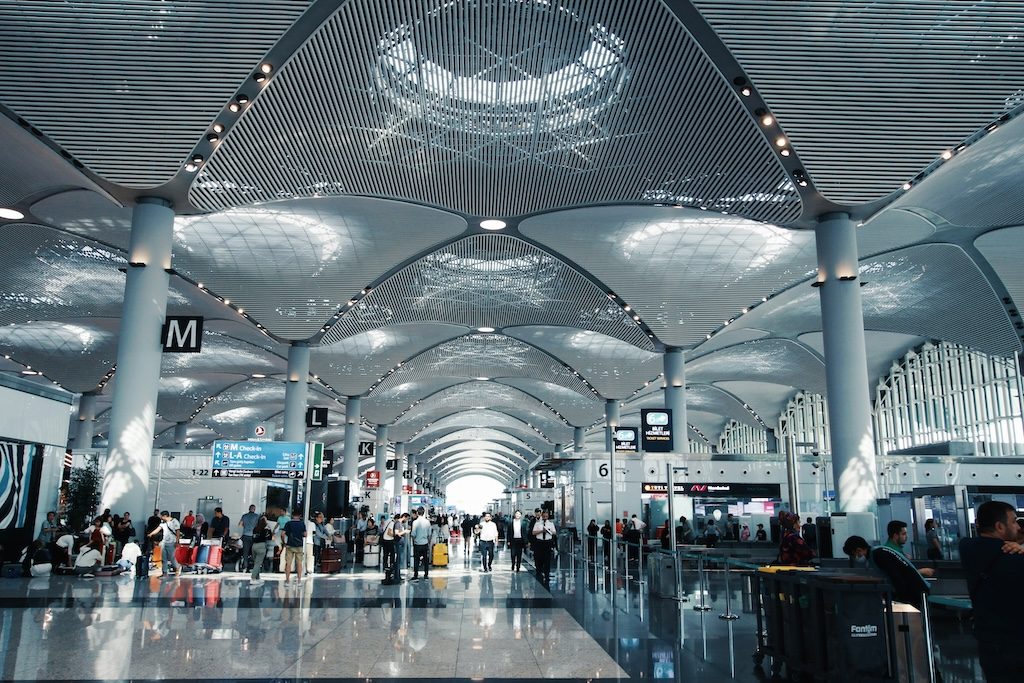
Here's the European snapshot: London Heathrow sits seventh globally with 84.5 million passengers. Istanbul claims eighth with 84.4 million. Paris Charles de Gaulle (14th, 72 million), Amsterdam Schiphol (17th, 68.8 million), and Madrid-Barajas (18th, 68.1 million) round out the club. Together, these five hubs moved 16% of the world's air travelers and underscore Europe's role as a long-haul gateway and transfer hub.
Heathrow's growth was modest but steady, up 0.7% year over year and 4.4% from 2019. The real outlier is Istanbul. In 2019, Istanbul ranked 28th. In 2025, it's eighth. That's a climb powered by strong emerging-market demand and expanded connectivity. Its 2025 total sits 61.8% above pre-pandemic levels. Madrid also impressed, running 10.4% above 2019, while Paris and Amsterdam still haven't fully recovered, though both are climbing again.
What these rankings reveal is resilience, not dominance. European hubs excel at international connectivity and transferring passengers to long-haul routes. But they're also grappling with slot constraints, border processing delays, and ground infrastructure strain. In London, rail upgrades are creating fresh travel friction, and these bottlenecks ripple through the entire system.
Asia's Rapid Rise Is Reshaping Global Aviation
The real story here belongs to Asia-Pacific. Shanghai Pudong vaulted from 10th to fifth with 85 million passengers. Guangzhou Baiyun bounced back to ninth after plummeting to 57th in 2022. Kuala Lumpur International broke into the top 20 at the 20th slot, jumping six places in a single year with 63.4 million passengers and 11% growth year over year.
These shifts matter because they signal renewed outbound demand from China and Southeast Asia. Eased visa policies, expanded airline networks, and better international connectivity are fueling the surge. For European airlines and destination tourism boards, the message is stark: competition for Asia-Pacific travelers and their spending power has intensified.
Atlanta Holds the Crown, but the Gap Is Closing
Hartsfield-Jackson Atlanta still reigns as the world's busiest airport with 106.3 million passengers, though it dipped 1.6% year over year. Dubai came second with 95.2 million (up 3.1%), and Tokyo Haneda took third with 91.7 million (up 6.7%). The top 20 captured 1.59 billion passengers in total.
The US placed five airports in the top 20, but those hubs rely heavily on domestic traffic. Europe's leaders depend far more on international flows, airline network decisions, visa policies, and slot constraints. This structural difference means European airports are more vulnerable to geopolitical shifts, airline alliances, and infrastructure bottlenecks. As Europeans pack bags like never before, capacity planning has become urgent for the continent's aviation leaders.
One wildcard: Dubai's position could shift in next year's rankings. Geopolitical tensions in the Middle East have already created traffic disruptions and dampened demand. If that headwind persists into 2026, Dubai's second-place slot may become contested.
For travelers, these trends translate to practical consequences. Peak summer periods strain capacity across Europe's busiest hubs. Overnight trains from Bucharest to Istanbul are back for summer, offering an alternative to crowded airport queues. Planning flexibility, arriving early, and considering rail alternatives aren't just smart moves, they're becoming necessary ones as demand keeps rising and infrastructure plays catch-up.