If you've been following the news about Europe's new Entry/Exit System (EES), you've probably heard some confusing rumors floating around. Back in spring, speculation surfaced that both Portugal and Italy might be following Greece's lead and exempting British passport holders from the EU's new digital border checks. Well, Brussels just shut that down. The European Commission has officially confirmed that neither country plans to budge, which means British travelers need to steel themselves for biometric registration when they arrive.
What the EES actually is
Since April 10, 2026, the EU rolled out its Entry/Exit System across the 29 Schengen Zone countries. This automated setup replaces the old passport stamp method and captures biometric data from non-EU arrivals: your face, fingerprints, passport details, and travel dates. The whole thing is free and applies to anyone without a residence permit staying up to 90 days within a 180-day window. Think of it as the EU's attempt to modernize border security and speed up processing, though the speed part hasn't exactly played out smoothly so far.
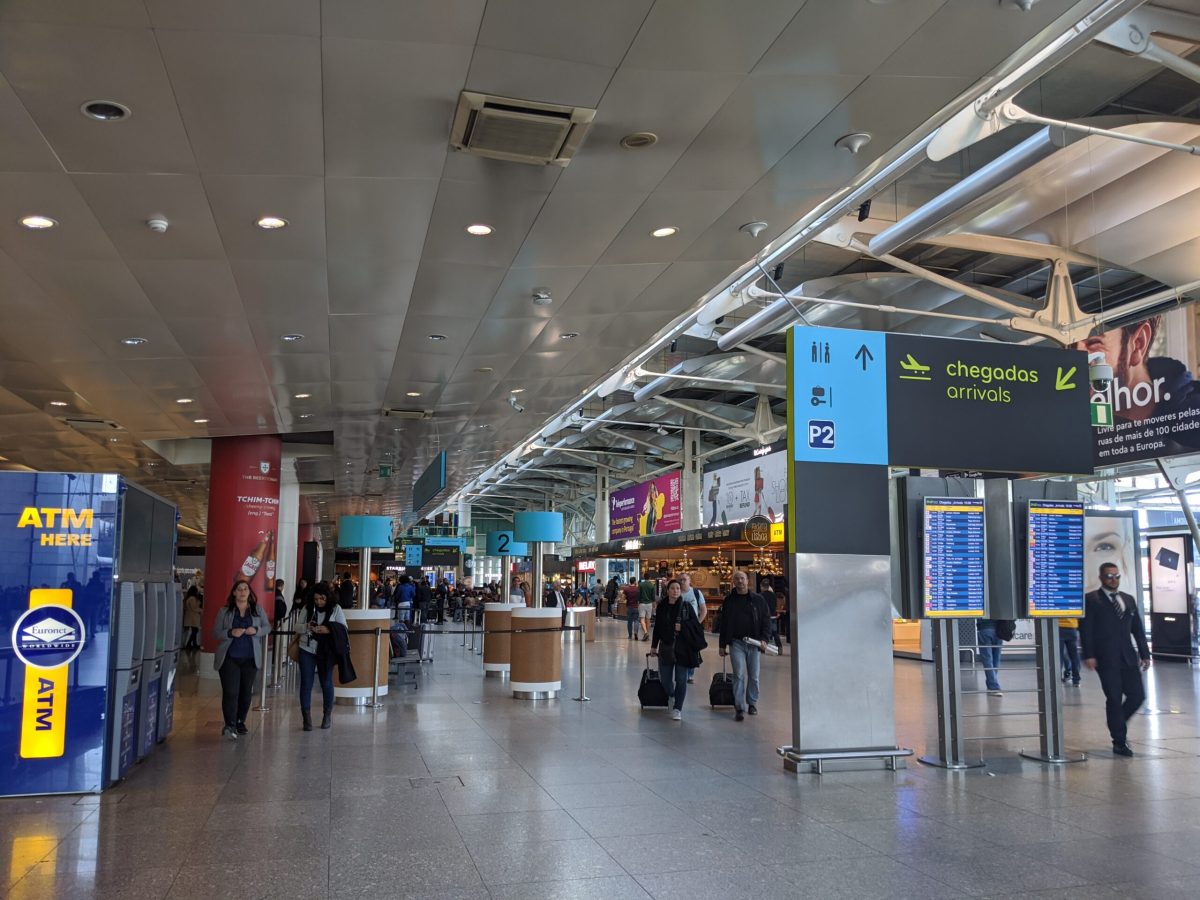
The system was supposed to work seamlessly from day one. Instead, long queues have become the norm at European airports and ports, even before the summer rush kicked in. Airport operators and border agents are still getting the hang of the technology, and frustration is building on both sides of the checkpoint.
How countries are bending the rules
Here's where things get interesting. Although the European Commission doesn't officially permit member states to exempt nationalities from the EES, several countries are finding creative workarounds. France hasn't implemented it at certain ports. Spain is bouncing between EES and manual stamping depending on the airport. And Greece? They announced that British travelers would be completely exempt from biometric registration, making it the lone wolf in this scenario.
The Commission's official stance allows for some flexibility through fallback procedures, including the ability to pause biometric collection during rush periods. But that doesn't mean countries can just opt out entirely for specific nationalities, yet some are trying anyway.
Portugal and Italy are drawing a hard line
When the Portuguese and Italian authorities were asked whether they might follow Greece's path, their answer was crystal clear: no. "The Portuguese and Italian authorities confirmed that they do not intend to exempt any nationality," the European Commission stated. This rules out any special treatment for British visitors, regardless of whether you're arriving in Lisbon, Rome, Milan, or any other entry point in those countries.
For travelers planning trips to Portugal's hidden regions or Italy's classic destinations, this means you'll need to budget extra time at the border. The system, while ultimately designed to be faster than manual processing, is still causing bottlenecks during peak travel periods. Expect waits to spike during July and August.
What you need to know for your trip
The practical advice is straightforward: arrive early. Really early. If you're flying into Italy or Portugal this summer, give yourself extra buffer time before heading through the EES kiosks. You'll be asked to provide biometric data, which gets stored and remains valid for three years. If a kiosk is broken or unavailable, border agents will conduct the check manually, but you're still going through it either way.
The good news is that once you're registered, the system should theoretically speed things up on return visits. The bad news is getting through the first time during summer is going to test your patience. Border congestion across Europe has already caused flight cancellations and operational headaches at major hubs, so the infrastructure is clearly under strain.
If you're traveling elsewhere in Europe, check your specific destination. Some countries are more flexible than others, and the situation is still evolving. But if Italy or Portugal is on your itinerary, go in prepared: clear your afternoon, charge your phone, and embrace the wait. It's becoming part of the European travel experience whether we like it or not.