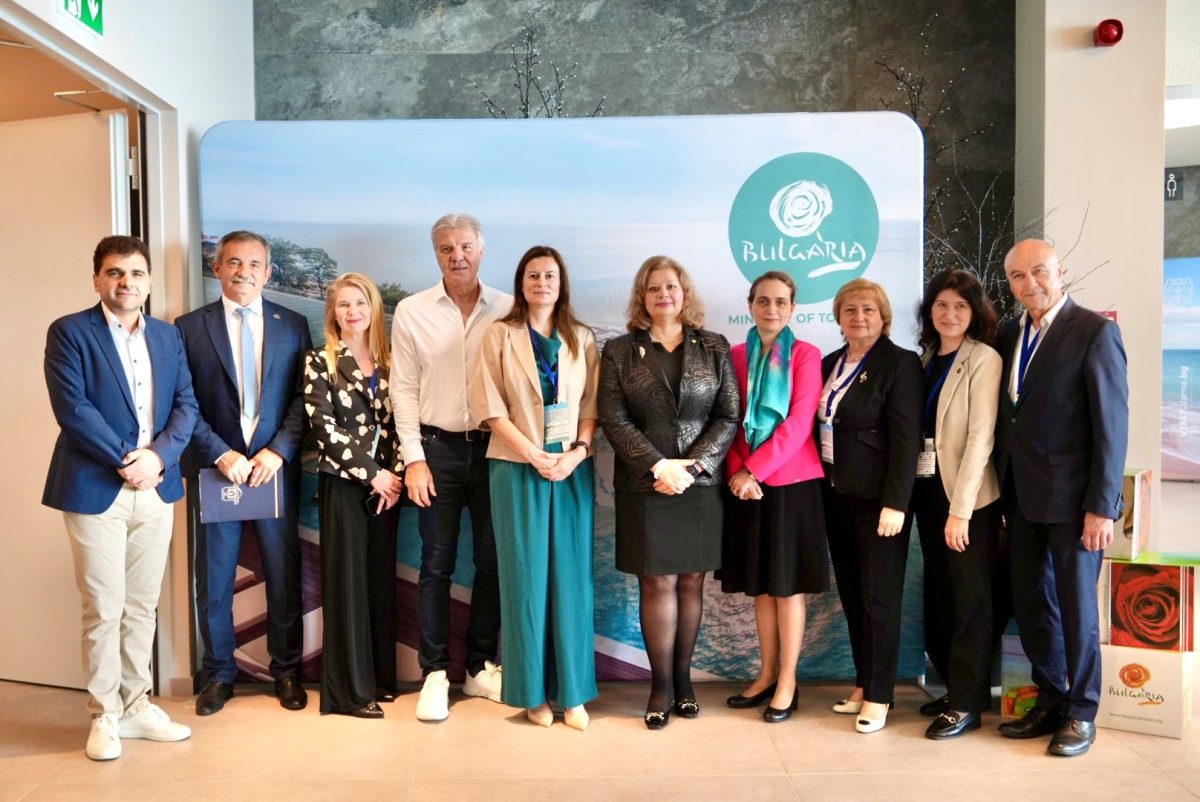
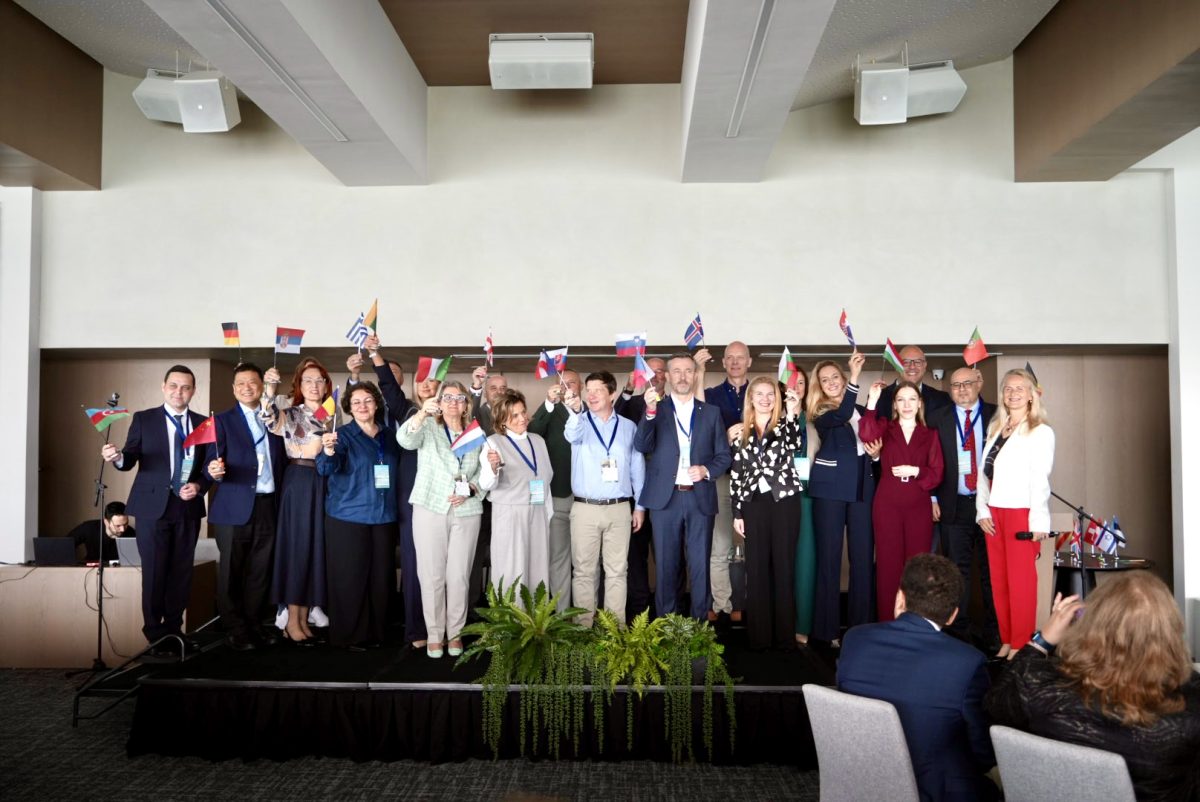
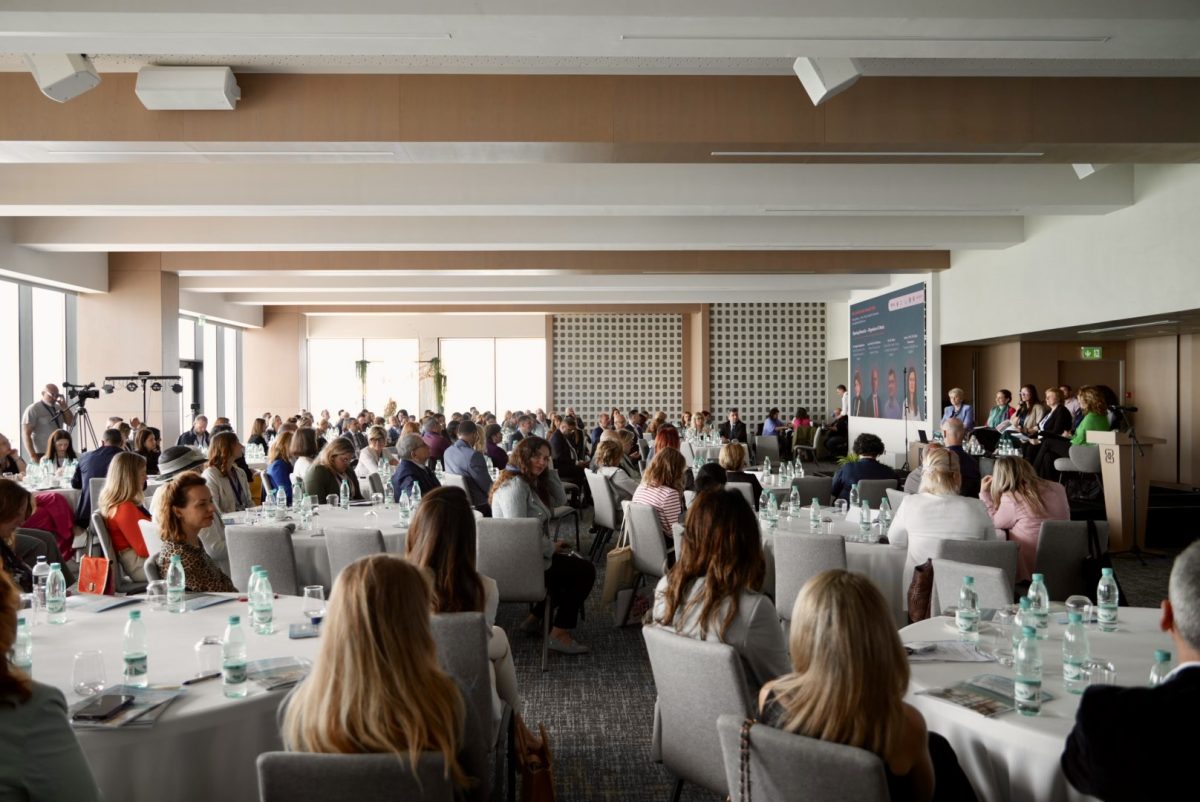
Varna just hosted one of Europe's biggest conversations about where people travel to heal. The inaugural HEALTHXCHANGE Summit 2026, held at Grifid Noa in Golden Sands from May 11-13, brought together 200 participants from 29 countries to make one thing clear: health tourism is no longer a side interest. It's becoming central to how Europe plans its future.
The event pulled in European institutions, government officials, medical professionals, and spa industry leaders who all agreed on something radical. Healthcare, tourism, science, sustainability, and regional policy belong in the same conversation. For too long, these sectors have operated in separate silos. The summit positioned Bulgaria as the catalyst for change, showcasing how mineral-rich resorts and wellness infrastructure can drive both visitor satisfaction and genuine community improvement.
A new vision for coastal recovery
Snezhana Apostolova, Deputy Mayor of Varna, opened the conversation by framing health tourism as more than commerce. She described the Golden Sands and St Constantine and Helena areas as places where natural resources meet modern hospitality. "Tourism is far more than an industry," she said. "It is an investment in the future, in quality of life, and in the sustainable development of destinations." Varna's real ambition, she explained, is building recognition as a destination that combines medical expertise, wellness traditions, natural healing resources, and top-tier tourism infrastructure all at once.
This vision matters because Europe's tourism landscape is constantly shifting, and regions that can diversify their appeal stand to thrive. Health tourism offers exactly that diversification, drawing visitors who stay longer, spend more intentionally, and return regularly.
Why Bulgaria became the meeting place
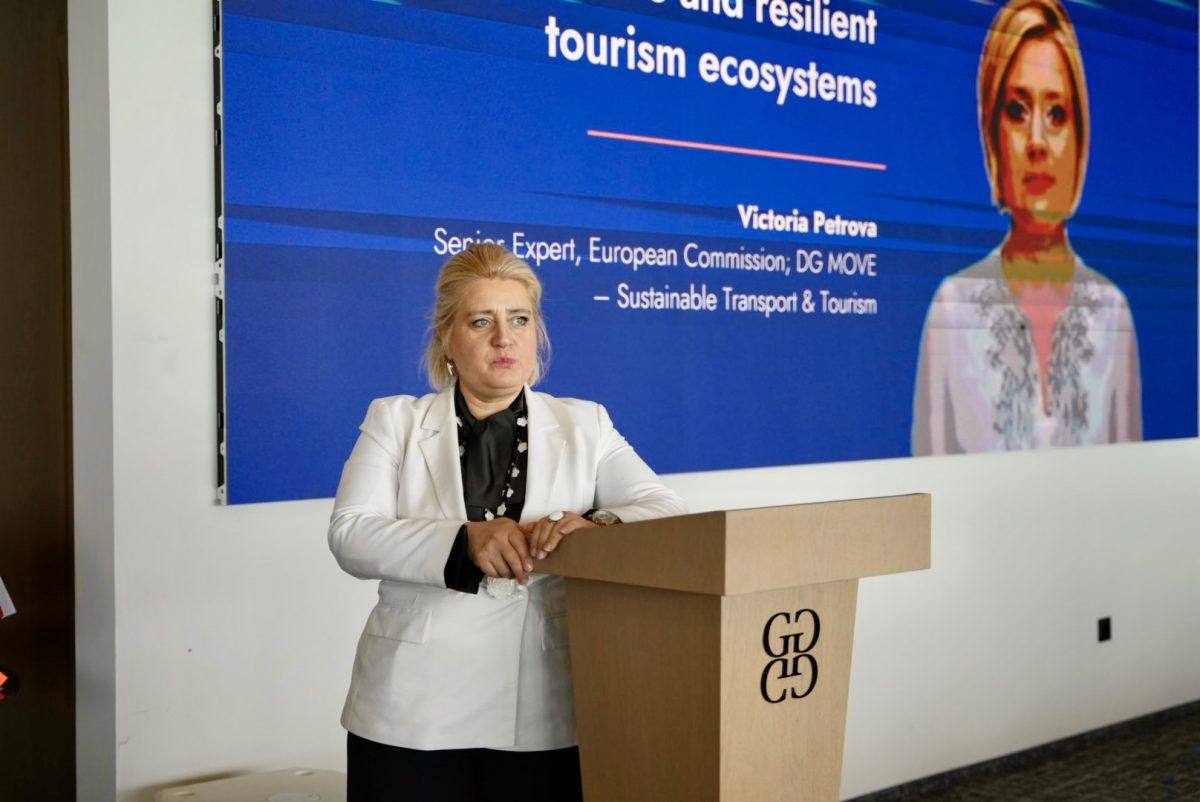
Assoc. Prof. Dr Siyka Katsarova, President of the European Spas Association and the Bulgarian Union of Balneology and SPA Tourism, welcomed delegates with genuine pride. She highlighted Bulgaria's deep history and natural advantages while emphasizing something crucial: health tourism must be grounded in evidence, not just marketing claims. Over 100 international attendees traveled to Bulgaria for the first time, drawn by the country's mineral springs, therapeutic mud, and established wellness traditions.
The diversity of participants mattered as much as their numbers. Hospitals, research centers, local governments, and private businesses all sent representatives. Real collaboration requires these people in the same room, sharing what works and what doesn't.
What the European Commission is actually funding
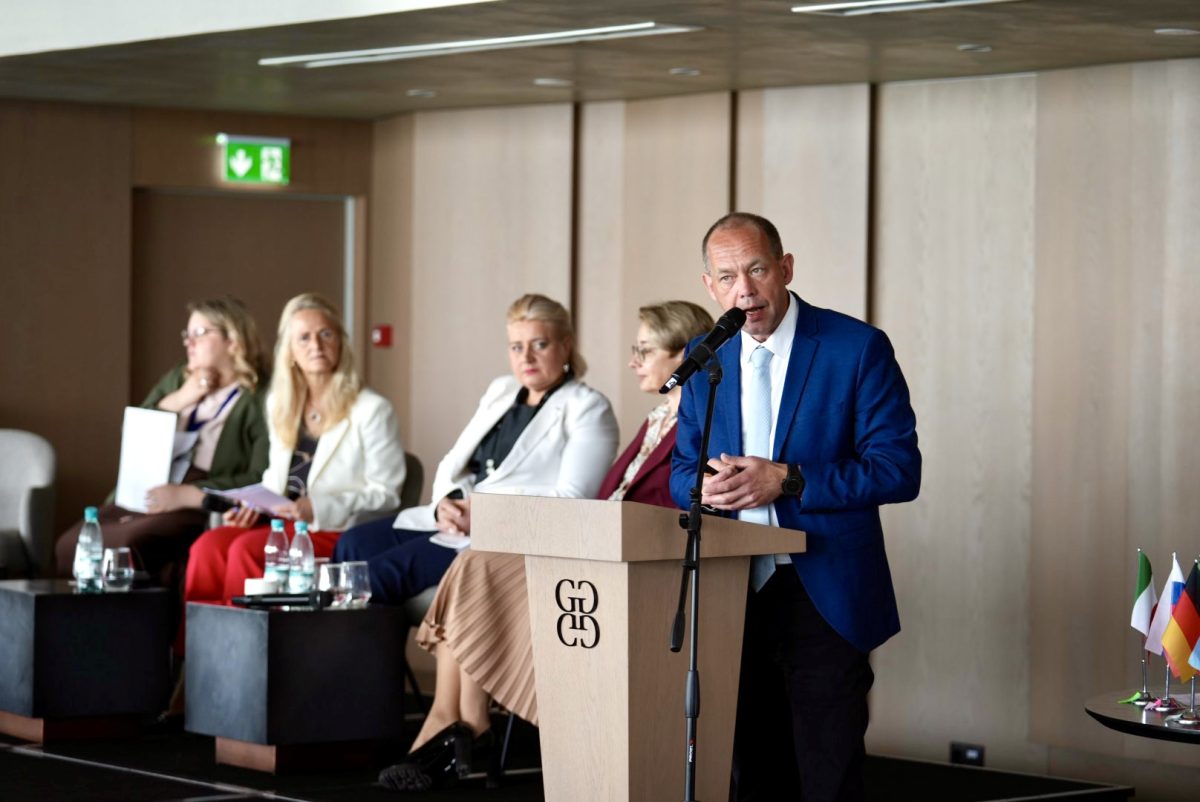
Victoria Petrova, Senior Expert at the European Commission's DG MOVE, explained how Brussels approaches tourism strategy. The EU doesn't make tourism policy directly. Instead, it coordinates across member states, regions, and local authorities while focusing on digital economy, mobility, climate change, taxation, and business innovation. This approach matters because it means funding opportunities exist, and small health tourism businesses can actually access them.
Petrova pointed to real money on the table. European programs support destination management, climate adaptation, innovation, and skills development. She also emphasized fact-based planning, using data from the Joint Research Centre to map tourism concentrations and identify where development potential actually exists. For aging Europe, with more people in the 55-plus demographic every year, health tourism represents both a market and a public health opportunity.
From Czech spas to European policy
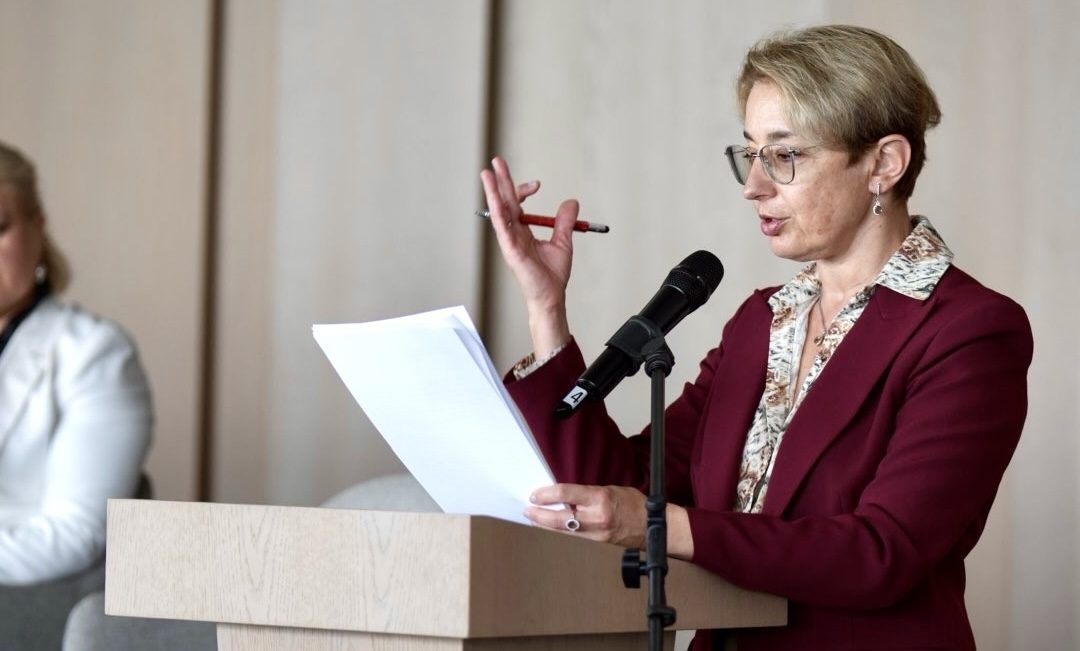
Petr Kulhánek, former Czech Minister for Regional Development, brought practical experience from Karlovy Vary, one of Europe's oldest spa towns. His message was blunt: spa and medical tourism cannot succeed in isolation. Success requires cooperation between local government, tourism boards, hospitals and clinics, research institutions, businesses, and residents. When public money flows into spa regions for infrastructure, everyone benefits. Visitors get better experiences, but residents also see improved quality of life.
Yet Kulhánek noted a frustration. Despite EU cohesion funding supporting digitalisation, energy efficiency, research, and innovation in spa destinations, the sector still fights for recognition within European healthcare systems. Recent European Parliament action on tourism shows the political appetite for change, but health tourism advocates need stronger evidence and data to match their ambitions.
Natural healing enters the mainstream
Ass. Prof. Dr Milena Angelova, member of the European Economic and Social Committee, pushed for a bigger reframe. Europe's natural healing heritage, including mineral waters, therapeutic muds, and climate therapy, deserves a place in the life sciences agenda alongside biotechnology and medical research. Medical spas and climate health resorts genuinely contribute to disease prevention, rehabilitation, mental health, and healthy aging. The problem isn't whether they work. It's that nobody has built enough rigorous evidence and data to convince health policy makers.
This gap explains why Bulgaria's summit mattered. Europe's aging population needs solutions that stretch beyond traditional medicine. Wellness tourism isn't escape or luxury. It's becoming infrastructure for prevention and quality of life. The question now is whether European governments and institutions move quickly enough to support what clearly works, or whether they wait for perfect data that may never arrive.