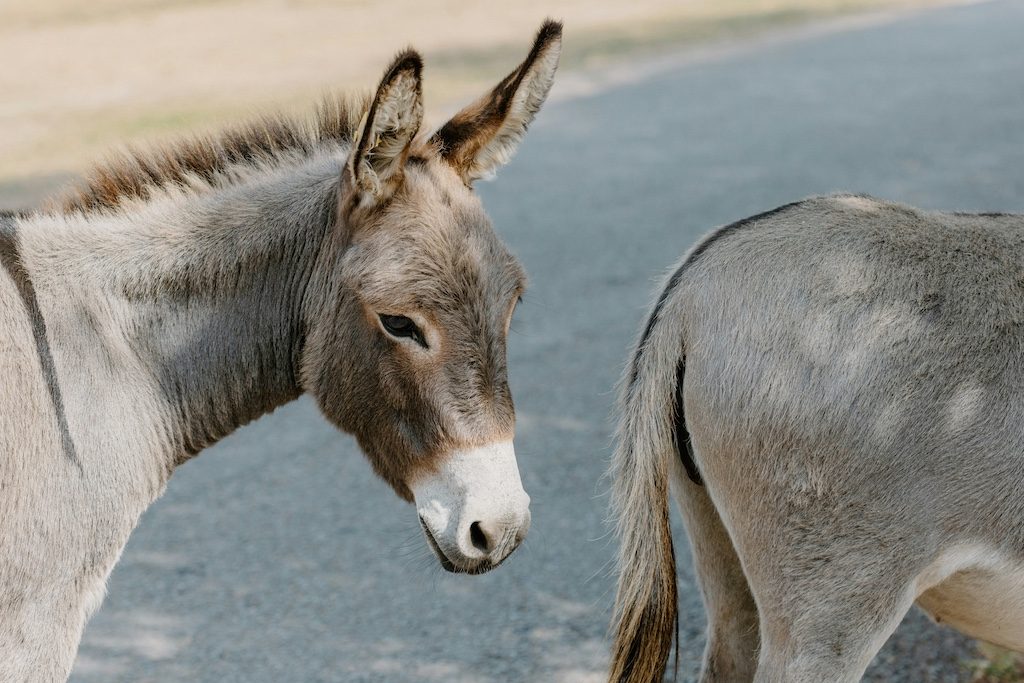
The clip-clop of hooves on wet sand, children perched atop gentle creatures, parents snapping photos against the backdrop of the Irish Sea. For more than 100 years, donkey rides have been woven into the fabric of British seaside holidays. But that chapter is closing at Coney Beach in Porthcawl, South Wales, as local authorities draw a line under the practice.
The Bridgend Council announced that animal riding will no longer be permitted on the beach. A summertime ban on dogs, which previously ran from May through September, will now extend to all animals year-round. The shift effectively kills any chance of licensing seasonal donkey or pony operations at what was once a cornerstone of the Welsh coastal experience.
This is part of something bigger. Porthcawl's waterfront is undergoing a complete reimagining with 1,100 new homes, a new hotel, and a redesigned promenade on the way. The beloved Coney Beach Amusement Park, which first opened its gates in 1918, shuttered for the last time in October 2025. In a way, the donkey rides are just one piece of a broader transformation that the town is wrestling with.
The Case Against the Rides
Animal welfare advocates have long viewed seaside donkey rides as relics of a less enlightened era. Critics argue the work is grueling. Donkeys and ponies stand in the heat for hours, carrying the weight of rider after rider, often without adequate rest and sometimes while dealing with existing injuries or fatigue. Behind every holiday ride is a creature forced to work in conditions most would consider harsh, they contend.
Beyond the animal welfare angle, opponents say the image itself has become dated. A modern seaside resort, they argue, shouldn't rely on practices that conjure circuses and carnival exploitation. Visitors increasingly find the sight uncomfortable, and resort towns hoping to attract families with contemporary attractions are rethinking what "charm" actually means in the 21st century.
Losing a Piece of Memory
Not everyone sees it that way. For people like David Morgan, 74, who grew up in the area, the ban feels like erasure. "This decision risks ripping the heart out of the community," he told the BBC. For him and others, these rides aren't exploitation; they're nostalgia in its purest form. They're the thing that made a Porthcawl holiday feel special, different from everywhere else.
Jay Bateman's family has operated the donkey business at Coney Beach for generations. For them, this isn't just sentiment. It's a livelihood. Bateman said the council's decision strips away a family trade that has sustained his household for decades. That pain is real, even as the broader ethical conversation continues elsewhere.
What Comes Next
The council insists it hasn't forgotten the value of tradition. "We recognize the importance of traditional seaside attractions," a spokesperson said. The authority is now reviewing proposals for new seasonal activities and entertainment options. "Residents and visitors should look out for some exciting announcements about a wide range of new activities and stalls in the near future," the council added, though details remain sparse.
Porthcawl isn't alone in this reckoning. British coastal resorts are constantly balancing nostalgia with modernization, and some beloved attractions aren't making the cut. Dreamland Margate, the historic amusement park on the Kent coast, announced earlier this year that its Grade II-listed Scenic Railway would close permanently. Yet the story isn't all loss. Down the coast, the derelict Nayland Rock Hotel in Margate, which once hosted celebrities like Charlie Chaplin and Mick Jagger, is being restored as apartments, short-term rentals, and a restaurant, suggesting that heritage can be preserved and reimagined simultaneously.
Whether Porthcawl's new chapter will feel like progress or erasure largely depends on who you ask. For animal lovers and modern sensibilities, it's a step forward. For those who grew up counting every saddle and every summer ride as part of their identity, it's the end of an era. Whichever way you look at it, the sound of hooves on Coney Beach's sands will soon belong only to memory.