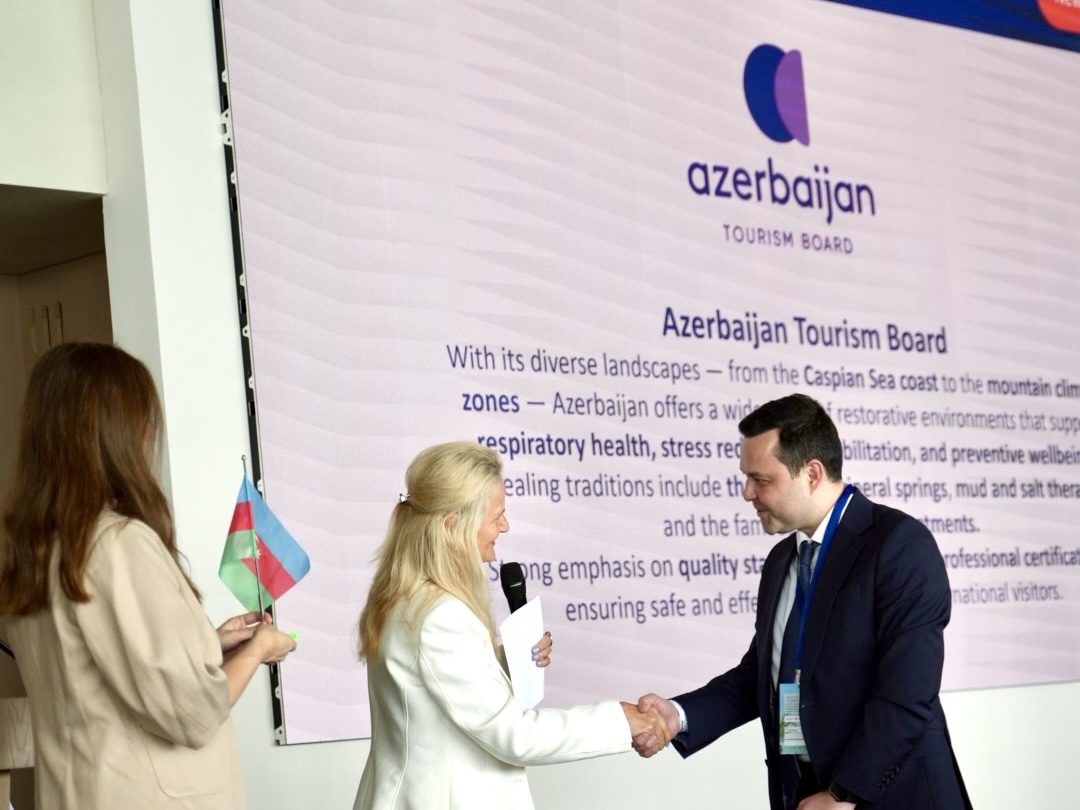
When you think of health tourism in Europe, Azerbaijan probably doesn't top your list. But that's about to change. At the HEALTHXCHANGE Summit 2026 in Varna last May, Azerbaijan made its formal pitch to the continent's wellness establishment, positioning itself not as a fringe player but as a credible competitor in the booming sector of spa, medical, and preventative travel.
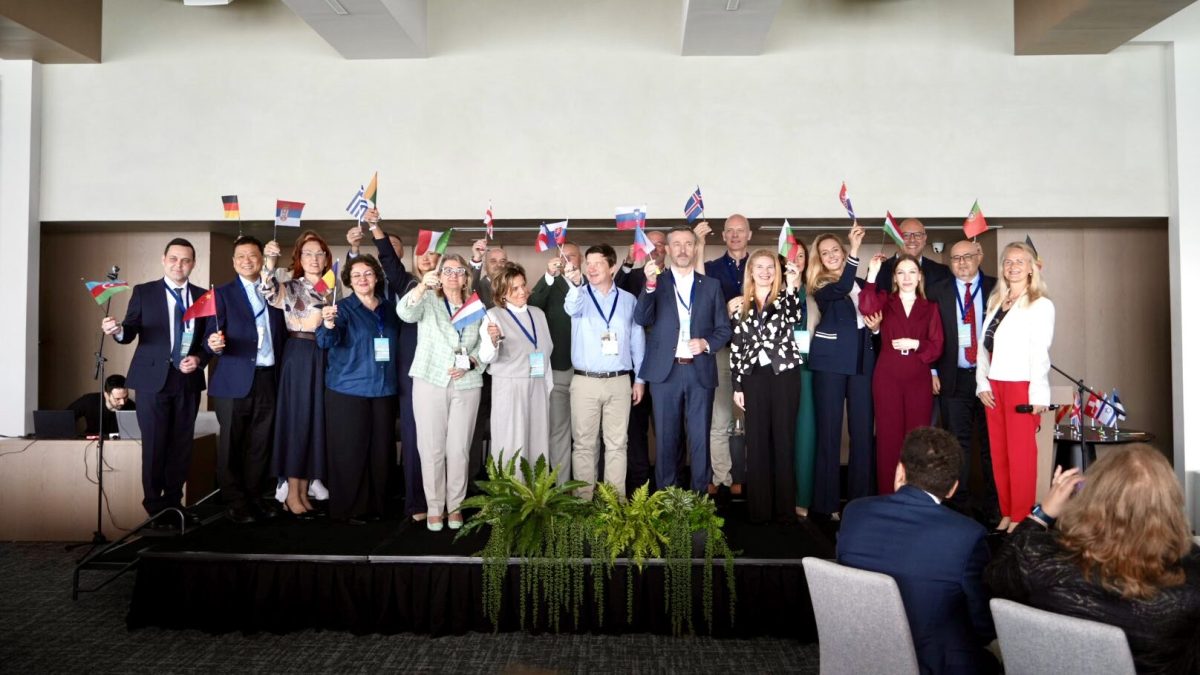
The three-day conference brought together government officials, tourism experts, and medical professionals from across Europe. For Azerbaijan, it was a chance to showcase what the country has been quietly banking on for years: an abundance of mineral springs, therapeutic mud deposits, favourable climate zones, and a growing portfolio of modern spa facilities. Deputy Chairman Teymur Suleymanzada of the Azerbaijan Tourism Board took the stage to present the country's long-term vision directly to international stakeholders.
The timing matters. Azerbaijan has already proven it can reshape regional tourism dynamics, and the country welcomed more than 2.57 million foreign visitors in 2025, a 2.1% year-on-year increase. International visitors spent roughly 3.4 billion Azerbaijani manat (currency), underscoring the country's growing pull. That momentum now gets channeled into a new direction: wellness.
What makes Azerbaijan tick as a wellness destination
Azerbaijan's natural advantages are genuine. The country sits atop extensive mineral spring networks and therapeutic mud reserves that have been used for healing purposes for centuries. Combine that with varied topography, from coastal areas to mountain regions, and you get diverse climate conditions that appeal to different wellness objectives. Recovery, prevention, and long-term wellbeing aren't marketing buzzwords here, they're baked into the geography.
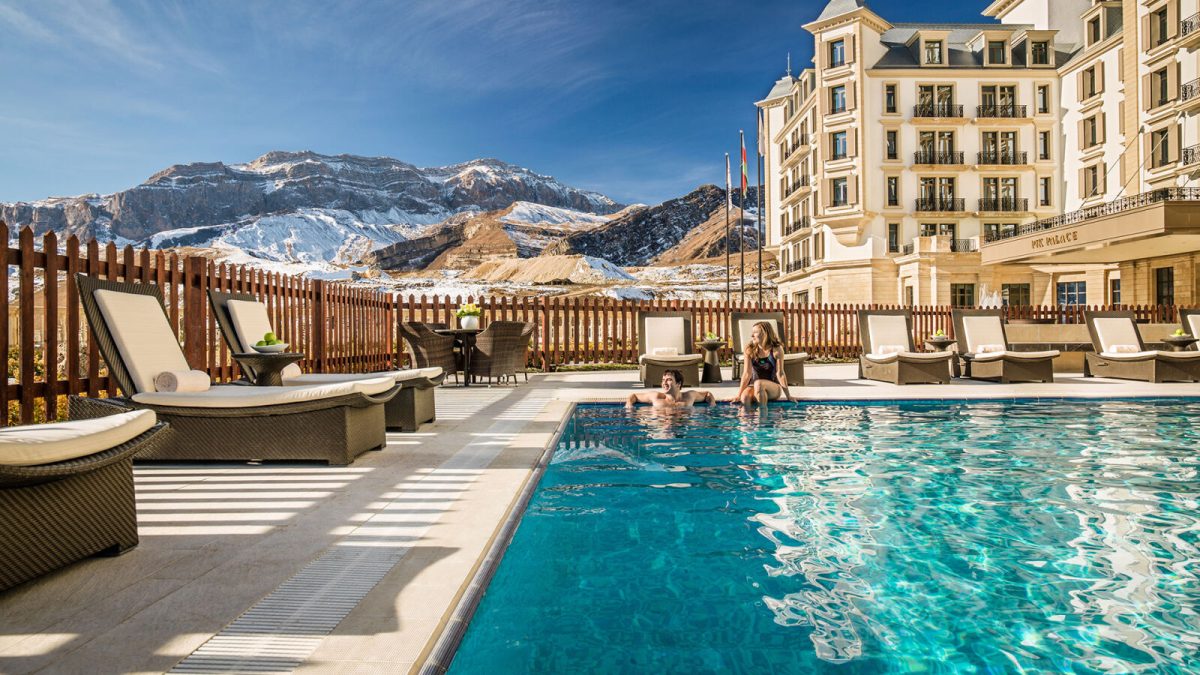
The infrastructure is catching up too. Spa and recreation facilities are expanding across the country, particularly around high-altitude regions like Shahdag. These aren't ad-hoc operations but professionally managed resorts designed to international standards. That's a critical detail, because European visitors don't just want mineral water and mud. They want cleanliness certifications, qualified staff, and measurable health protocols.
A strategic move toward European standards
Recognizing that global health tourism is shifting toward evidence-based treatments and personalized wellness plans, Azerbaijan isn't trying to reinvent the wheel. Instead, the country is actively studying how Europe's leading spa destinations operate. Quality standards, certification mechanisms, destination management systems, accreditation processes: these aren't sexy topics, but they're the scaffolding that transforms a natural resource into a thriving tourism sector.
One concrete outcome emerged from the Varna summit. The Azerbaijan Tourism Board joined the European Spas Association as an advisory member. This isn't ceremonial. ESPA membership opens doors to expertise sharing, access to advanced practices, and direct partnerships with European destinations and operators. European tourism networks are resilient and well-established, and gaining insider status accelerates credibility and market access for newcomers.
The bigger picture
What's happening here is part of a larger global shift. The wellness and health tourism market has matured well beyond simple relaxation. Preventative health, longevity research, sustainable tourism practices, and data-driven outcomes now dominate the conversation. Countries that ignored this transition risk being left behind.
Azerbaijan is making a deliberate choice to integrate into this ecosystem rather than operate in isolation. By pairing natural resources with international standards and establishing real partnerships, the country is positioning itself as both a regional player and part of the broader European and global health tourism market. That's more strategic than most destinations manage, and it explains why the Varna conference mattered. It wasn't a one-off marketing event. It was the beginning of a repositioning that could reshape who travels to Azerbaijan and why.