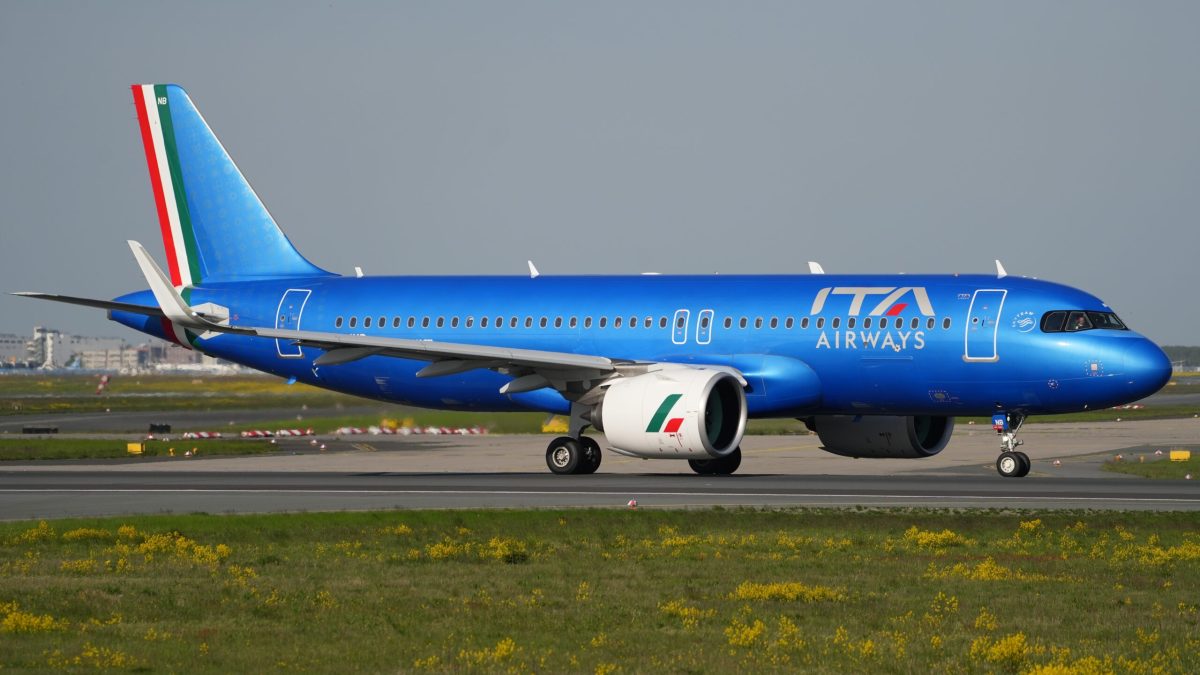
Picture this: less than a year after buying a 41% stake in Italy's ITA Airways, Lufthansa announced in May 2026 that it was already exercising its option to grab majority control. By June, the German giant will own 90% of the Italian carrier after handing the government €325 million for the additional shares. That's the speed of modern airline consolidation in Europe.
What makes this move particularly striking is how aggressively Lufthansa has pushed integration. CEO Carsten Spohr promised the fastest airline merger in the group's history and actually delivered. Within months of the initial January 2025 deal, customers booking ITA Airways flights found themselves using unified Lufthansa systems, accessing the Miles and More loyalty program, and enjoying Star Alliance benefits. The booking, sales, and pricing infrastructure was already merged before most travelers realized what was happening.
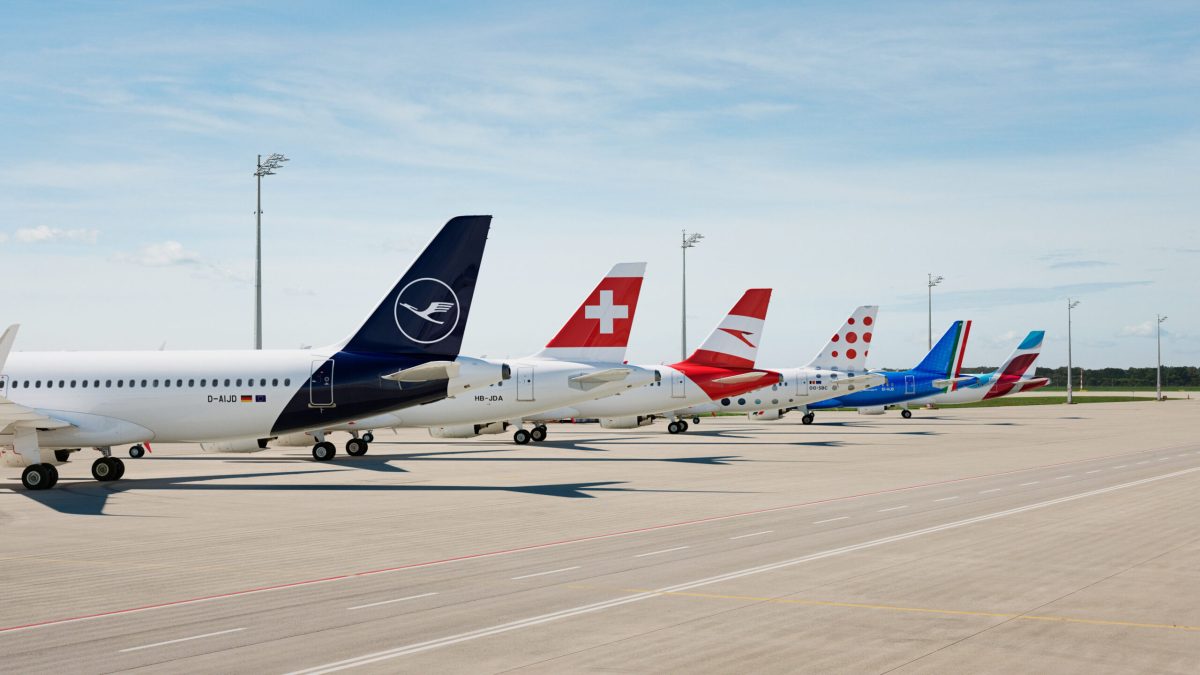
Why this matters for people who actually fly
For frequent travelers between Europe and Italy, this consolidation changes everything about your experience. ITA Airways passengers now tap into Lufthansa's vast network of premium lounges globally. Your frequent flyer miles work across both airlines. When you book an ITA flight to Rome or Milan, you're not dealing with an independent carrier anymore, you're essentially flying Lufthansa's Italian division.
The cargo side of the business tells an equally revealing story. Since 2025, Lufthansa Cargo has been marketing ITA's cargo capacity, which the company estimates equals the additional freight space of three Boeing 777 freighters. For shippers moving goods between North America and southern Europe, this consolidation creates new routing options and capacity that didn't exist before.
What's still uncertain
Here's where things get complicated. Although the transaction is scheduled for June 2026, both the European Commission and the U.S. Department of Justice need to rubber-stamp the deal. Regulators on both sides of the Atlantic aren't rubber stamps. The real closing date? Probably sometime in early 2027, once Brussels and Washington have their say. On transatlantic routes especially, approval is still pending, which means some ITA Airways flights to North America haven't been fully integrated into Lufthansa's systems yet.
The Italian government gets to keep 10% of ITA Airways as a golden handshake. Whether Lufthansa eventually buys those remaining shares to achieve full ownership remains to be seen, but the trajectory seems obvious. When a company already owns 90%, acquiring that final 10% is often just a matter of timing and negotiation.
The bigger picture for European aviation
This move also tells you something about Lufthansa's appetite for expansion. While they're consolidating Italy, the group is simultaneously bidding for a 49.9% stake in TAP Air Portugal, competing directly against Air France-KLM. The ITA Airways acquisition happening so quickly and smoothly probably damages Lufthansa's chances with TAP, since EU regulators already worry about the German airline group's dominance on European routes. When you own Rome and Milan plus significant operations in Lisbon, you're controlling too much of the continent's aviation for comfort.
For travelers, the takeaway is straightforward: the European airline map is shrinking into fewer, bigger players. Lufthansa's expansion strategy reflects a broader industry trend toward consolidation. Whether that benefits passengers depends on how you feel about larger networks, better connections, and unified loyalty programs versus the competitive pricing pressure that smaller carriers can provide. What's certain is that flying between Italy and the rest of Europe will look very different by 2027.