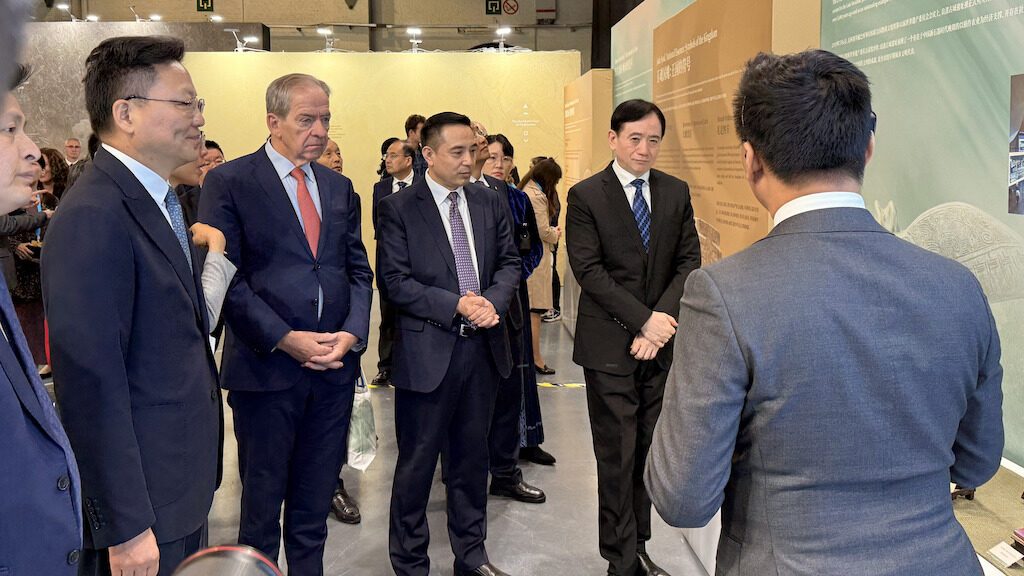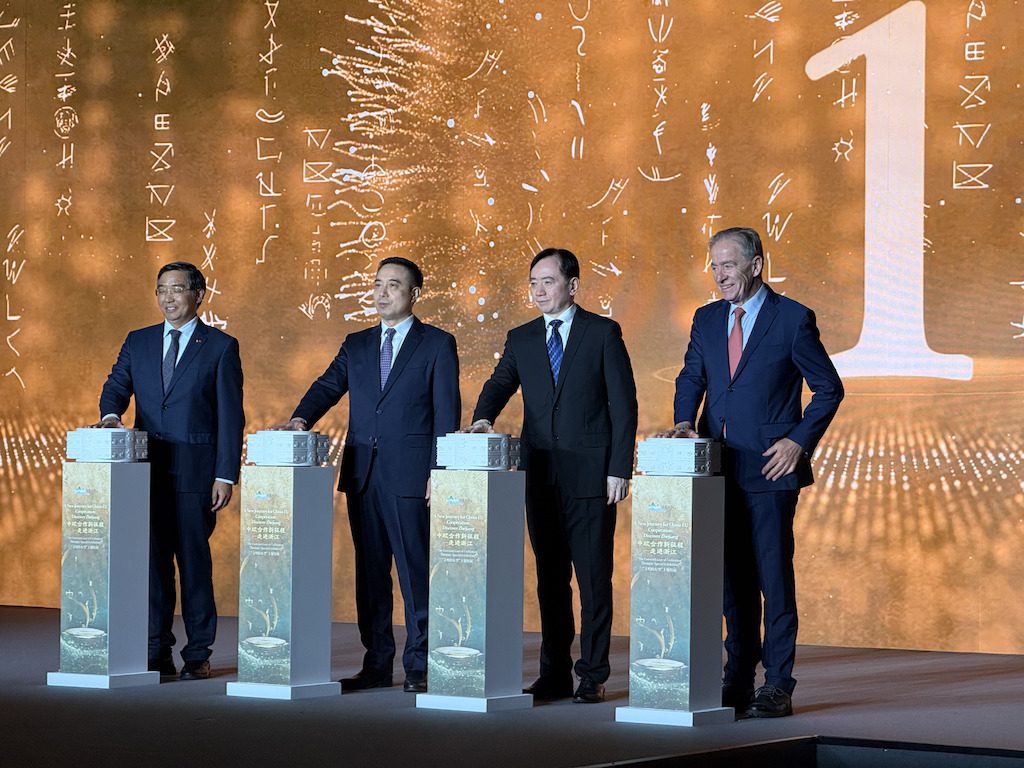
On May 11, 2026, the Chinese mission to the EU transformed a Brussels venue into a portal to Zhejiang Province, one of China's most culturally rich destinations. The exhibition brought together diplomats, cultural enthusiasts, and curious travelers for what amounted to a masterclass in why this province deserves space on your travel radar.
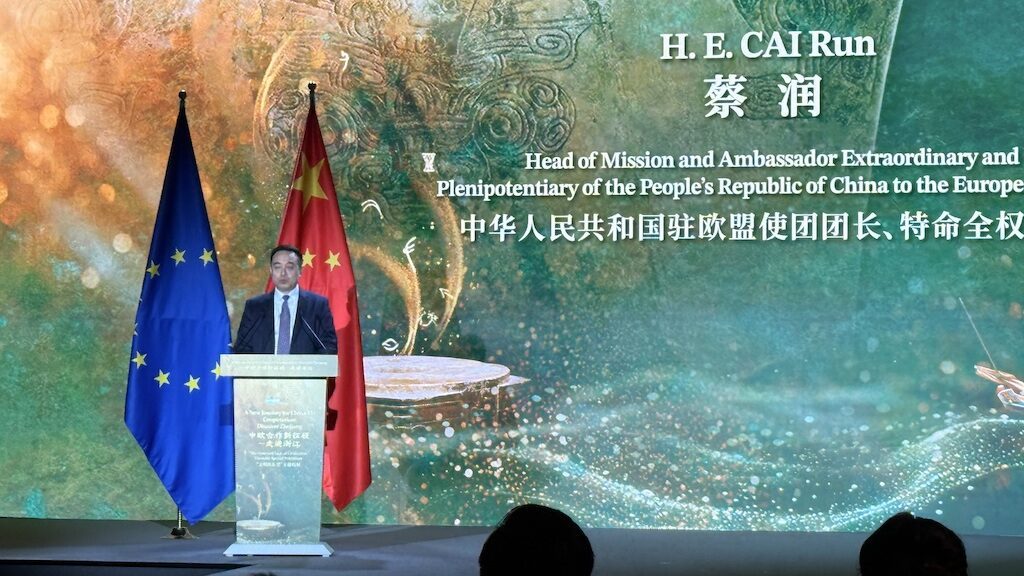
The timing matters. China recently expanded visa-free access to roughly 50 countries, including Belgium and most of Europe. Ambassador CAI Run framed it plainly: "We want to further deepen our relationship with the European Union through closer cooperation and shared development. Zhejiang Province serves as an important bridge for China-EU exchanges." For travelers, this means fewer bureaucratic headaches when planning a visit.
A 5,000-Year-Old City Comes Alive
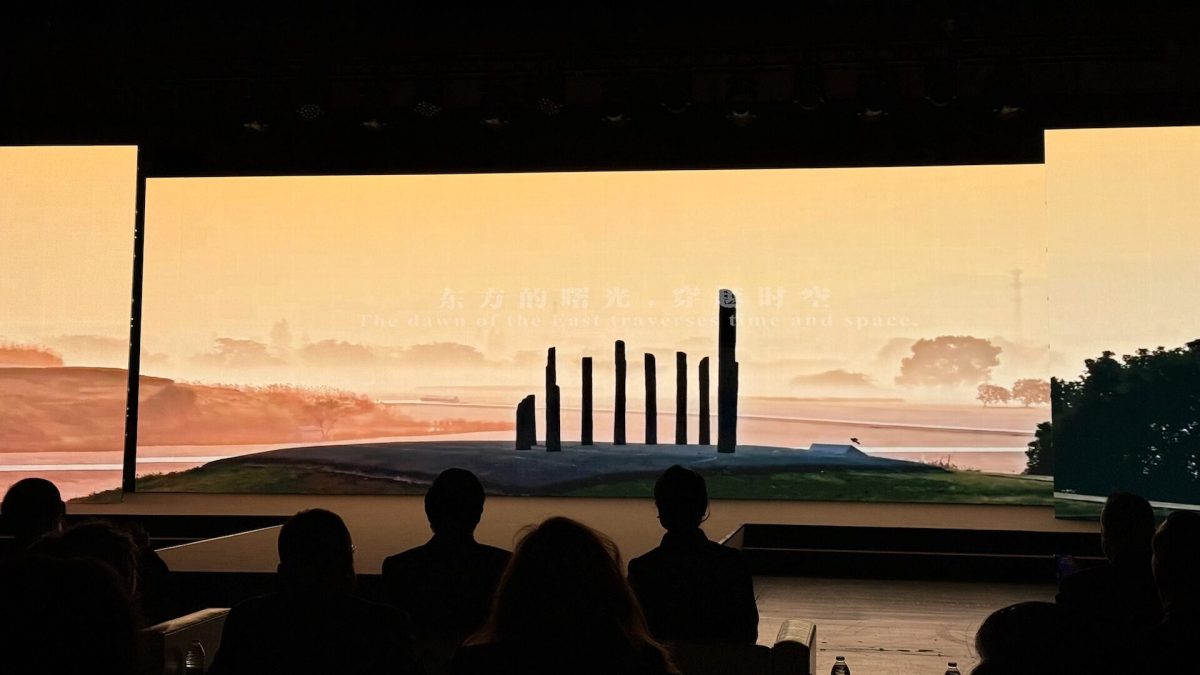
The centerpiece was Liangzhu Ancient City, a UNESCO World Heritage site near Hangzhou that dates back more than five millennia. This archaeological wonder sits at the foundation of early Chinese civilization, and the Brussels exhibition introduced it through videos and installations that made the ancient world tangible for modern audiences.
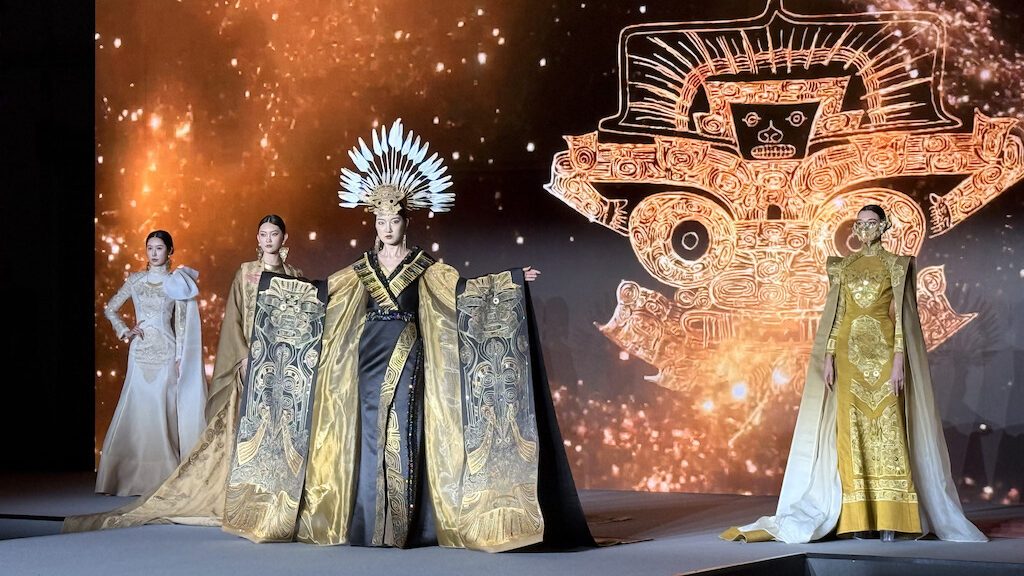
What made the presentation special wasn't just history lectures. Live performances reinterpreted Liangzhu culture for contemporary eyes. Models wore garments inspired by ancient symbols but cut with modern sensibilities, bridging what separated five thousand years into something coherent. For travelers heading to Zhejiang, the Liangzhu Archaeological Site Park offers museums, excavated ruins, and exhibitions that dig into these origins. The philosophy extends across the province, particularly in Hangzhou, where traditional architecture sits comfortably alongside sleek design studios and contemporary galleries.
Master Craftspeople Show Their Hands
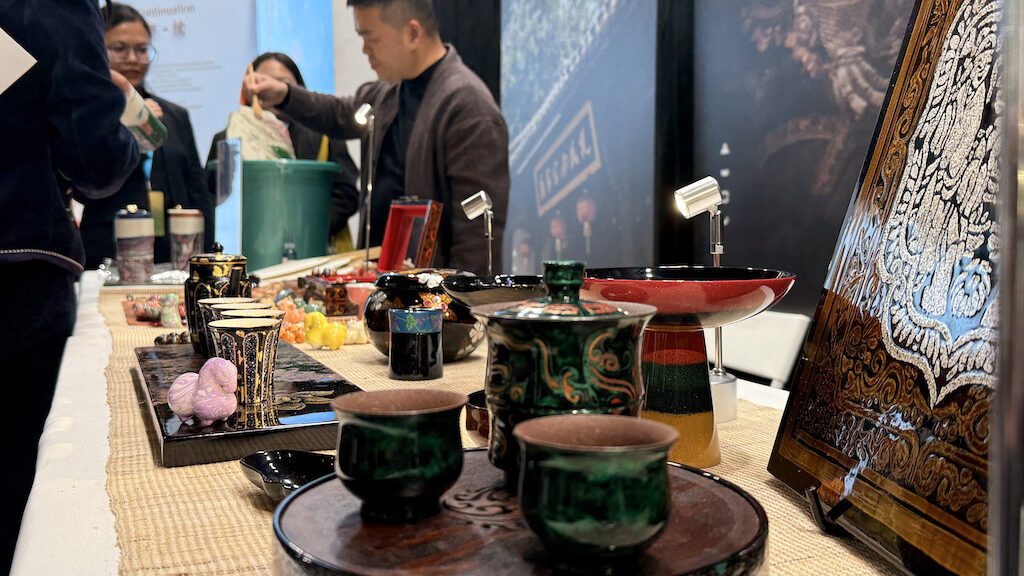
Where the exhibition truly captured attention was watching artisans work live. Li Wei, a fourth-generation Pingyang lacquerware inheritor, demonstrated how multiple layers of glossy finish transform into reflective, deeply colored objects. Each coat required careful hand application and polishing, a process that revealed why this craft has persisted for generations in Zhejiang.
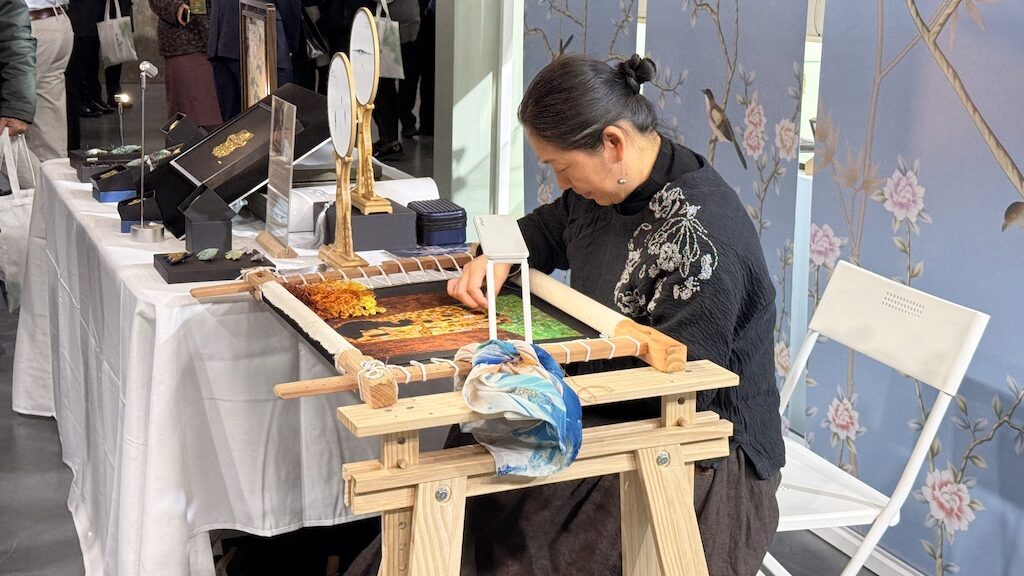
Jin Jiahong, recognized as a Master of Chinese Arts and Crafts, presented Hangzhou embroidery, a textile tradition tracing back to the Southern Song Dynasty. Her work showcases delicate stitching, rich color play, and gold and silver threads, including the intricate "one golden thread" technique that sounds impossible until you see it executed.
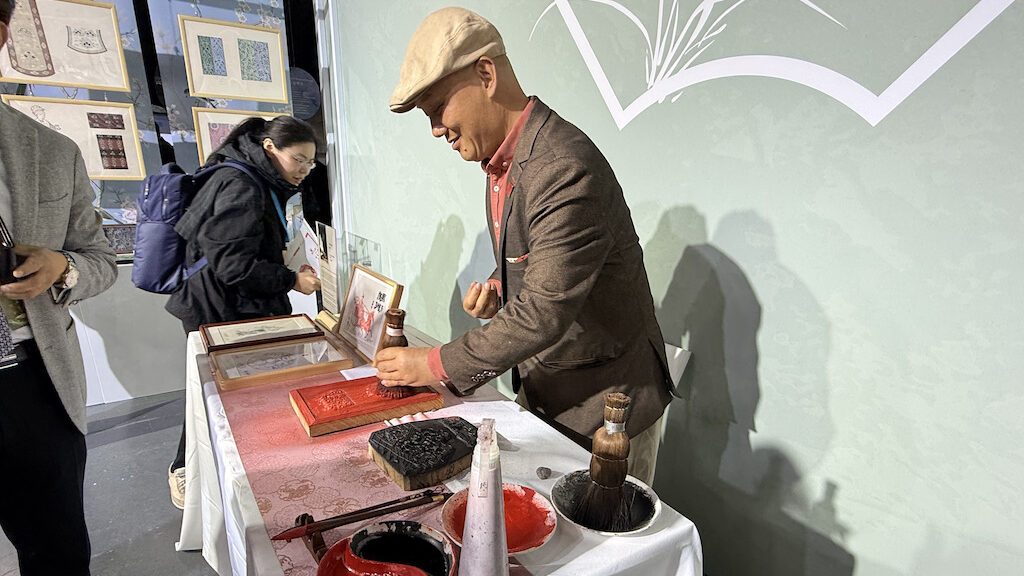
Wei Lizhong brought woodblock printing to life, carving designs directly into wooden blocks and manually pressing them onto paper while visitors watched. Some guests even tried their hand at the process themselves. These aren't distant museum pieces. When you visit Zhejiang, local workshops and cultural heritage centers let you observe artisans at work or participate in introductory sessions. It's the difference between reading about craft traditions and having your hands guide the tools.
Where Tradition Meets Robot Dancers
Perhaps the most unexpected moment came when a suona player (traditional Chinese wind instrument with serious lung power) shared the stage with a humanoid robot that danced to the live music. The contrast wasn't accidental. Zhejiang is simultaneously preserving thousand-year-old traditions while running one of China's most innovative tech sectors. China's rapid modernization doesn't erase what came before; it exists alongside it.
What the Food Tells You
Food culture in Zhejiang operates on the principle that how something looks matters as much as how it tastes. During the Brussels event, artisans shaped mung bean cake into delicate floral forms, demonstrating the precision that runs through the region's culinary tradition. Regional tea culture and intricate pastry work complete the picture.
The exhibition included a cultural exchange where Belgian chocolatiers prepared treats for guests alongside Chinese pastry demonstrations. It's a small gesture but meaningful: what matters isn't proving one tradition superior, but recognizing the craftsmanship in both.
For travelers considering Zhejiang, the exhibition crystallized something important. This isn't a museum destination where the past sits behind glass. It's a living place where five-thousand-year-old archaeological sites coexist with tech innovation, where master artisans still practice techniques passed down through generations, and where you can actually participate in these traditions rather than just observe them. With easier visa access for Europeans and a growing number of immersive cultural experiences available to visitors, there's rarely been a better moment to go.