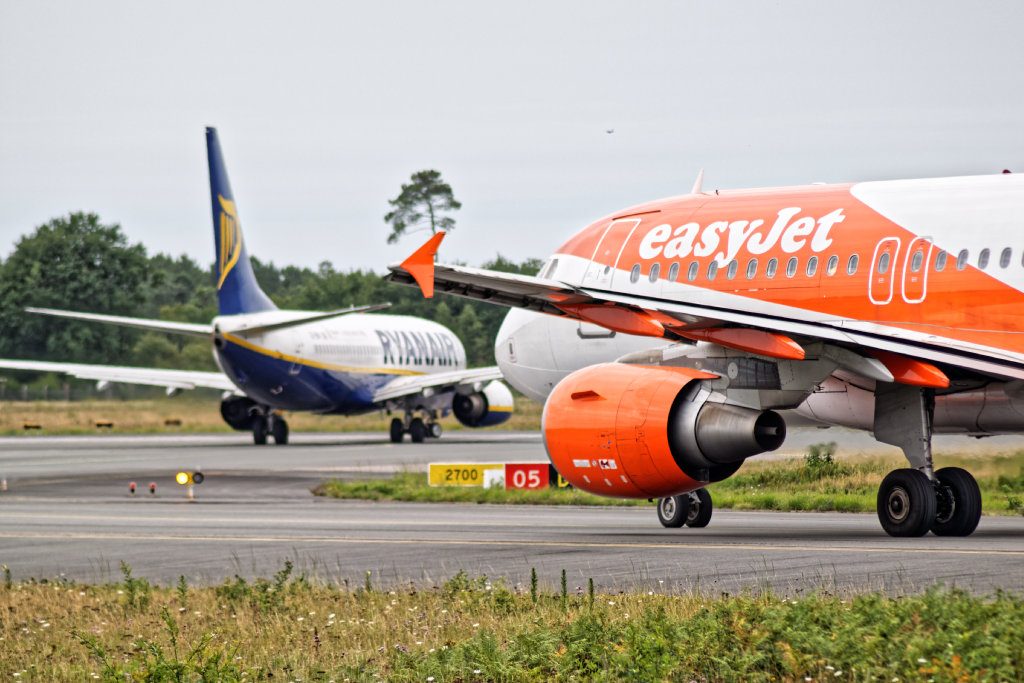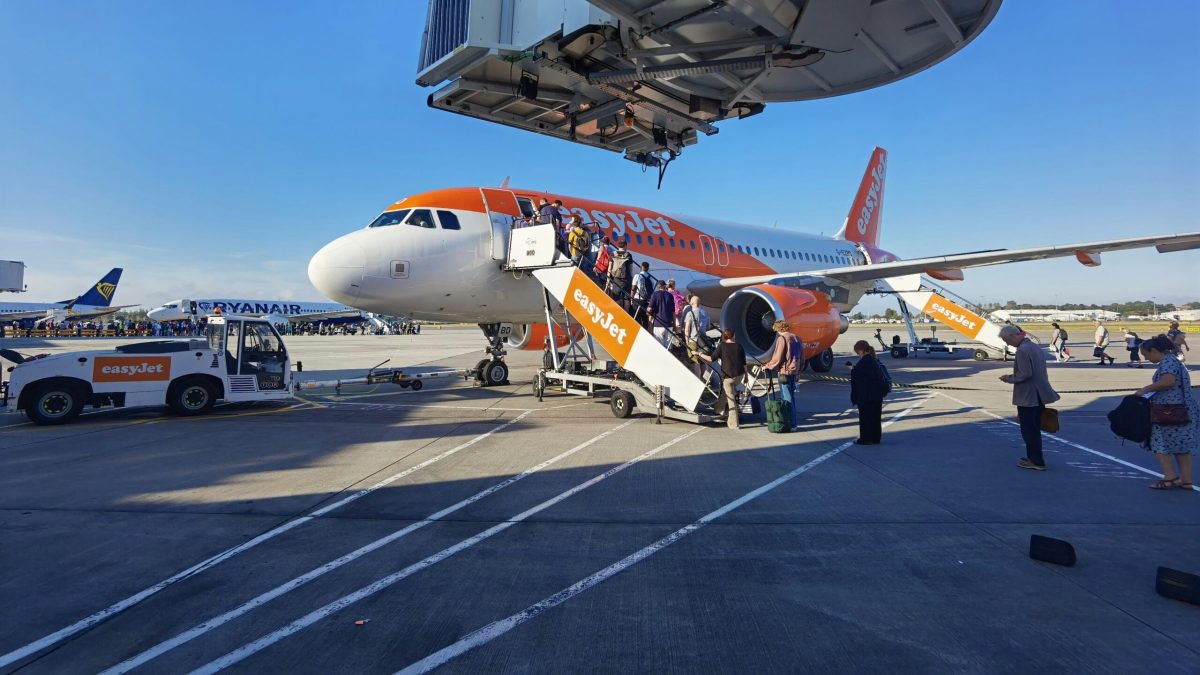
Picture this: you arrive at Milan Linate Airport three and a half hours early. You've done everything right. You're calm, organized, ready to board. Then you watch your flight push back from the gate without you. This nightmare became real for 122 passengers on an easyJet service headed to Manchester on April 12, 2026.
The Airbus A319 departed with only 34 of its 156 booked passengers. The rest stayed behind in Italy, scrambling to rebook flights and burning through cash they didn't have. The reason? Europe's new Entry/Exit System, or EES, had gone live just 48 hours earlier across 29 countries, and Milan's airport wasn't ready for the storm.
When New Rules Meet Old Infrastructure
The EES isn't inherently evil. It's designed to make border crossings smoother across the Schengen zone by requiring non-EU visitors to register biometric data (facial images, fingerprints, passport details, and trip information) when they first arrive. Once stored in the system, future crossings should move faster. In theory, it's elegant. In practice at Milan Linate, it created a bottleneck that stranded hundreds of people.
Passengers reported joining queues that barely moved. The system itself malfunctioned repeatedly. Border control staff struggled to process the volume. And easyJet, watching the clock tick toward departure, made a call: leave without them. The airline argued it had already advised customers to allow extra time for passport control, so the responsibility wasn't theirs.
This Isn't Just a Milan Problem
Milan joined a growing list of European travel hubs in crisis mode. Dover on England's south coast has seen queues snake across terminals. Brussels and Lisbon airports brought in extra lanes and even national guards to manage the chaos. Europe's new border system is hitting full speed, and airports across the continent are scrambling to adapt.
Airlines and transport groups have sounded alarms repeatedly. The EES rollout lands right at the start of summer travel season, when airports run at peak capacity. That timing is brutal. Hotels are booked solid. Connecting flights wait for no one. Your summer flight might not happen, and here's what you need to know now.
What easyJet Actually Said (and What It Didn't)
The airline released a statement acknowledging "longer than usual waiting times at passport control" and said it was "doing all possible to minimize impact" by holding some flights and offering free rebookings. It also asked border authorities to use emergency mitigations like temporary system suspensions, which are still permitted until September.
What the airline didn't do was absorb the costs of stranded passengers' emergency bookings or offer compensation beyond a free flight rebook. According to what you can actually demand back when your flight is cancelled, passengers in the EU may have rights, but the airline's argument that border delays are "outside our control" might complicate claims.
What Travelers Should Do Right Now
If you're flying from a major European hub in the coming weeks, plan extra time. Not just the standard two or three hours. Try arriving four to five hours early, especially if you're an EU visitor requiring EES registration. This feels excessive, but the system is clearly not stable yet.
Check your airline's rebooking policy before you fly. Some carriers are more flexible than others during this transition period. Download photos of your travel documents before you arrive at the airport. Have your passport details memorized if possible. The faster you can move through the queue, the better your odds of making your flight.
And if you do get left behind, document everything. Take screenshots of your booking confirmation, the departure time, and any communications from the airline. Keep receipts for emergency hotels, meals, and replacement flights. These become crucial if you want to file a compensation claim later.
The EES will settle down eventually. Airport staff will get faster. The system will stabilize. But we're not there yet. For now, treat it as a variable in your travel plans, not a guarantee.